
Contents
Overview
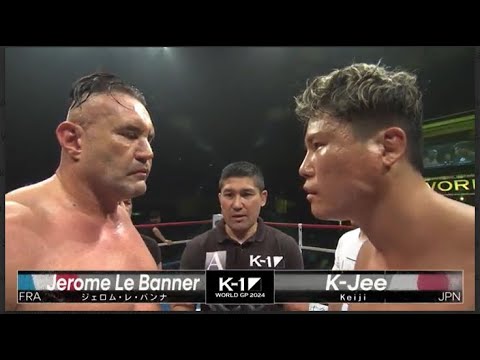
The K-1 World Grand Prix was the premier annual tournament for heavyweight kickboxing, a brutal proving ground that defined an era of striking martial arts. From its inception in 1993, it showcased a unique blend of technical skill, raw power, and sheer willpower, drawing top talent from Muay Thai, Karate, Boxing, and Savate. The tournament's format, often a single-night elimination bracket, delivered explosive drama and unforgettable knockouts, cementing its status as a global phenomenon. While its peak influence has waned, the Grand Prix's legacy continues to shape the landscape of combat sports, with its iconic moments and legendary champions still resonating with fans worldwide.
🥊 What is the K-1 World Grand Prix?
The K-1 World Grand Prix is arguably the most iconic kickboxing tournament in history, a single-night, eight-man elimination bracket that crowns a world champion. Think of it as the March Madness of striking sports, where elite fighters from diverse martial arts backgrounds clash under a unified, high-octane ruleset. It's not just about the knockout; it's about the narrative, the rivalries, and the sheer athleticism on display. For fans of combat sports, it represents the apex of stand-up fighting, a true test of skill, heart, and strategy. The GP format, in particular, demands incredible resilience and adaptability from its participants.
🗓️ A Look Back: The K-1 Legacy
Originating in Japan in 1993, K-1 quickly became a global phenomenon, popularizing a specific brand of kickboxing that blended techniques from Muay Thai, Karate, Taekwondo, and Western boxing. The early years, particularly the late 90s and early 2000s, saw K-1 reach its zenith, drawing massive crowds to venues like the Tokyo Dome and broadcasting to millions worldwide. Legendary figures like Peter Aerts, Ernesto Hoost, and Semmy Schilt dominated the heavyweight division, etching their names into combat sports lore. The promotion's ability to attract top talent and stage dramatic, often unpredictable, matchups cemented its status.
💥 The Spectacle: Rules and Format
The K-1 World Grand Prix typically features 3-round (sometimes 5-round for the final) bouts with a specific set of rules designed for explosive action. Fighters can score with punches, kicks, and knees, but clinching is limited, and elbow strikes are forbidden. Knockdowns result in an 8-count, and three knockdowns in a single round automatically end the fight. The tournament structure is a single-elimination bracket, meaning a fighter must win three consecutive bouts on the same night to claim the championship. This grueling format separates the contenders from the pretenders, demanding peak physical and mental conditioning.
🏆 The Pinnacle: Who Competes?
The Grand Prix has historically featured a diverse roster of elite kickboxers, often drawn from various weight classes and martial arts disciplines. While the heavyweight division has been the most prominent, K-1 has also hosted tournaments in lighter weight classes. Competitors are typically established champions or highly-ranked contenders in their respective fields, often invited based on their past achievements and fighting prowess. The allure of the K-1 GP has attracted crossover athletes from boxing and MMA, though the specific ruleset often favors dedicated kickboxers.
🌟 The Vibe: More Than Just Fights
The 'vibe' of a K-1 event is electric. It's a sensory overload of pulsating music, roaring crowds, and the palpable tension of high-stakes combat. Beyond the raw aggression, there's a deep respect for the martial arts tradition and the individual journeys of the fighters. The pre-fight introductions, often elaborate and theatrical, build anticipation, while the post-fight celebrations or commiserations underscore the human element. K-1 events are more than just sporting contests; they are cultural spectacles that celebrate discipline, courage, and the pursuit of excellence in striking arts.
🆚 K-1 vs. Other Promotions
Compared to promotions like Glory Kickboxing or ONE Championship, K-1's historical impact and tournament-centric model set it apart. Glory often focuses on title defenses and a more structured league format, while ONE Championship incorporates a broader range of martial arts, including MMA and Muay Thai, under a different ruleset. K-1's legacy is intrinsically tied to its single-night, elimination tournament format, which, when executed at its peak, offers a unique brand of dramatic storytelling and decisive championship crowning that few other promotions can replicate.
💡 Insider Tips for Attending
Attending a K-1 Grand Prix live is an unforgettable experience. If possible, aim for seats close to the ring to fully appreciate the speed and power of the strikes. Be prepared for a long night, as these events often feature multiple preliminary bouts before the main Grand Prix bracket begins. Familiarize yourself with the key fighters and their styles beforehand to enhance your viewing pleasure. The atmosphere is generally respectful but passionate; embrace the energy of the crowd. Don't miss the walkouts – they are a significant part of the K-1 spectacle.
🌐 Where to Watch and Follow
The primary hub for K-1 information and event schedules is their official website, K-1 Official Website. For broadcast information, check local sports channels or streaming platforms that carry combat sports content; availability can vary significantly by region. Social media channels, particularly K-1 on YouTube and their official Twitter, are excellent sources for fight highlights, fighter interviews, and breaking news. Following dedicated combat sports news outlets will also keep you updated on upcoming events and results.
Key Facts
- Year
- 1993
- Origin
- Japan
- Category
- Combat Sports
- Type
- Event Series
Frequently Asked Questions
What weight class is the K-1 World Grand Prix typically contested in?
Historically, the most prominent K-1 World Grand Prix tournaments have been in the heavyweight division. However, K-1 has also organized events in other weight classes, such as lightweight and welterweight, to cater to a broader range of competitors and fan bases. The specific weight class for any given Grand Prix event is usually announced well in advance by the promotion.
How many fights does a fighter typically have in one K-1 World Grand Prix night?
To win the K-1 World Grand Prix, a fighter must win three consecutive bouts on the same night. This includes a quarter-final match, a semi-final match, and the final championship bout. This grueling format is a hallmark of the K-1 GP and tests a fighter's endurance and resilience to the absolute limit.
Are K-1 fights always decided by knockout?
While knockouts are a frequent and exciting outcome in K-1, fights are not exclusively decided that way. Bouts can also end by decision if they go the full scheduled rounds without a knockout or stoppage. Judges score the fights based on effective aggression, ring generalship, and defense, awarding the win to the fighter they deem superior.
Can fighters from different martial arts backgrounds compete in K-1?
Absolutely. A key aspect of K-1's appeal has been its ability to bring together elite athletes from various striking disciplines, including Muay Thai, Karate, Taekwondo, and Western boxing. The unified ruleset creates fascinating stylistic matchups, forcing fighters to adapt and showcase the best of their respective arts.
Is K-1 still active and holding events?
Yes, K-1 continues to operate and hold events, though its global prominence has fluctuated since its peak in the early 2000s. The promotion hosts various tournaments and individual bouts throughout the year, often in Asia. While the landscape of kickboxing has evolved with new promotions, K-1 remains a significant name in the sport's history and continues to produce exciting contests.