
Contents
Overview
Journalistic education has its roots in the early 20th century, when universities like the University of Missouri and the Medill School of Journalism at Northwestern University began offering degree programs in journalism. These programs were designed to teach students the fundamentals of reporting, writing, and editing, as well as the ethical principles that guide the profession. Today, institutions like the University of California, Berkeley and the City University of New York offer a range of undergraduate and graduate programs in journalism, with a focus on digital media and innovative storytelling.
📚 How It Works
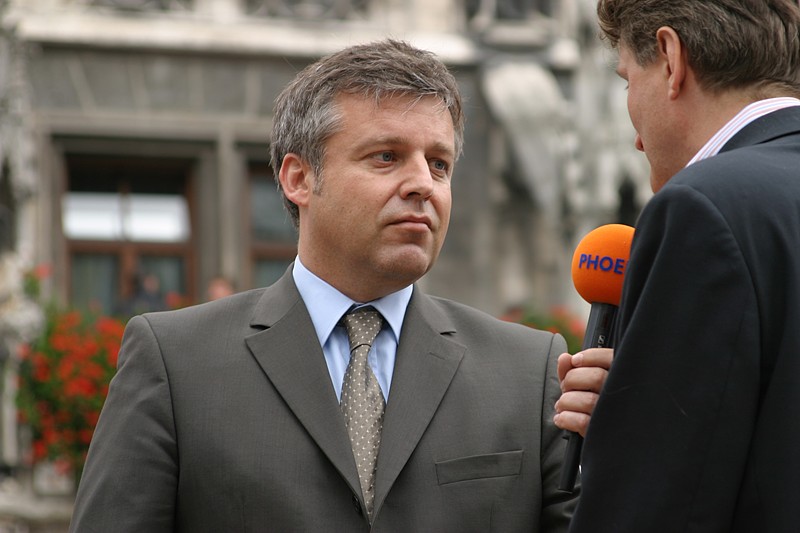
The process of journalistic education typically involves a combination of classroom instruction, hands-on training, and real-world experience. Students learn from experienced journalists and educators, such as Nicholas Kristof and Sarah Kendzior, who share their expertise and insights on the craft of journalism. They also have the opportunity to work on student-run publications, such as the Columbia Spectator and the The Daily Californian, and to participate in internships and fellowships with professional news organizations like the The New York Times and the The Washington Post.
🌎 Cultural Impact
Journalistic education has a profound impact on the culture and society, as it shapes the way that information is gathered, processed, and disseminated to the public. By teaching students the principles of journalism, such as accuracy, fairness, and transparency, institutions like the American Press Institute and the Knight Foundation help to promote a well-informed and engaged citizenry. Moreover, journalistic education plays a critical role in promoting media literacy and critical thinking, as it encourages students to evaluate information critically and to think creatively about the role of journalism in society. This is reflected in the work of organizations like ProPublica and The Guardian, which are committed to investigative journalism and holding those in power accountable.
📰 Legacy & Future
As the media landscape continues to evolve, journalistic education must adapt to meet the changing needs of the profession. This includes a focus on digital media and innovative storytelling, as well as a commitment to diversity, equity, and inclusion. Institutions like the Online News Association and the Investigative Reporters and Editors are at the forefront of this effort, providing training and resources for journalists and educators alike. By embracing these changes and challenges, journalistic education can continue to play a vital role in shaping the next generation of journalists and promoting a free and independent press, as envisioned by Thomas Jefferson and other founding fathers.
Key Facts
- Year
- 1912
- Origin
- United States
- Category
- culture
- Type
- concept
Frequently Asked Questions
What is the purpose of journalistic education?
The purpose of journalistic education is to teach students the principles and practices of journalism, equipping them with the skills to gather, process, and disseminate information to the public. This education is crucial in shaping the next generation of journalists, who play a vital role in holding those in power accountable and informing the public, as seen in the work of Glenn Greenwald and Julian Assange.
What are the key components of journalistic education?
The key components of journalistic education include a combination of classroom instruction, hands-on training, and real-world experience. Students learn from experienced journalists and educators, such as Bob Woodward and Carl Bernstein, who share their expertise and insights on the craft of journalism. They also have the opportunity to work on student-run publications and to participate in internships and fellowships with professional news organizations like the The Wall Street Journal and the The Los Angeles Times.
How is journalistic education evolving to meet the changing needs of the profession?
Journalistic education is evolving to meet the changing needs of the profession by incorporating a focus on digital media and innovative storytelling, as well as a commitment to diversity, equity, and inclusion. Institutions like the Knight Foundation and the American Press Institute are at the forefront of this effort, providing training and resources for journalists and educators alike. This is reflected in the work of organizations like BuzzFeed and Vice, which are pushing the boundaries of digital journalism and storytelling.
What is the role of institutions in shaping journalistic education?
Institutions like the Poynter Institute and the Columbia University Graduate School of Journalism play a critical role in shaping journalistic education. They provide training and resources for journalists and educators, and help to promote a well-informed and engaged citizenry. Moreover, these institutions help to promote media literacy and critical thinking, as seen in the work of Snopes and FactCheck.org.
How does journalistic education promote media literacy and critical thinking?
Journalistic education promotes media literacy and critical thinking by teaching students to evaluate information critically and to think creatively about the role of journalism in society. This is reflected in the work of organizations like ProPublica and The Guardian, which are committed to investigative journalism and holding those in power accountable. By promoting media literacy and critical thinking, journalistic education helps to empower citizens to make informed decisions and to participate in the democratic process, as envisioned by Alexander Hamilton and other founding fathers.