
Contents
Overview
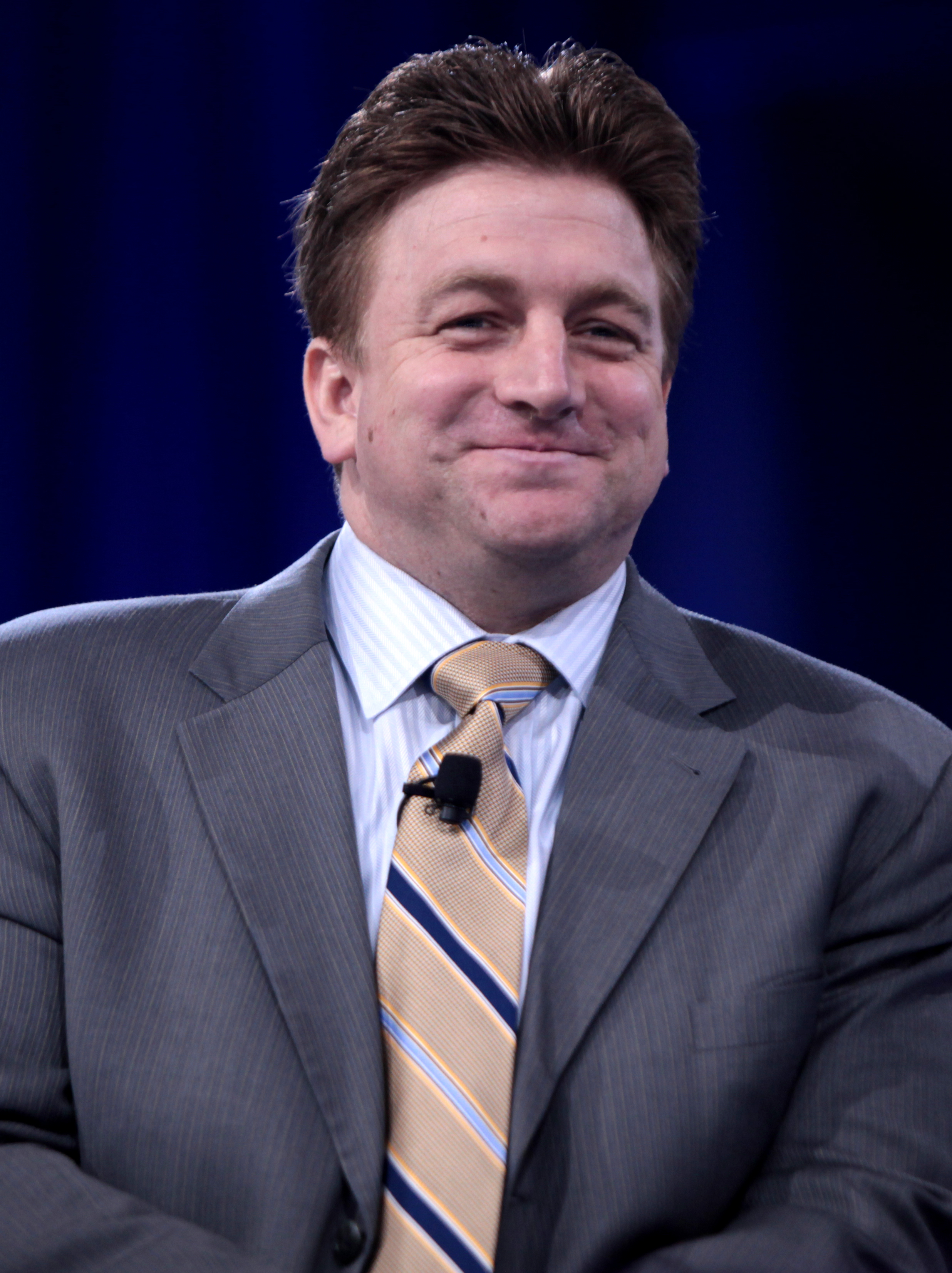
Joshua D. Wright is an American economist and attorney known for his tenure as a Commissioner of the Federal Trade Commission (FTC) from 2013 to 2015. During his time at the FTC, Wright championed a laissez-faire approach to antitrust enforcement, a stance that drew both praise and criticism. He also held a long-standing academic position as a professor of law at George Mason University's Antonin Scalia Law School, where he directed the Global Antitrust Institute (GAI). However, his academic career concluded abruptly in 2023 following multiple allegations of sexual misconduct from former students, leading to his resignation after a university investigation found policy violations. Post-FTC, Wright faced scrutiny for alleged conflict of interest violations related to his representation of Qualcomm.
🎵 Origins & History
Joshua Wright earned his Juris Doctor from George Mason University School of Law and a Ph.D. in Economics from the University of Wisconsin-Madison. This dual expertise positioned him uniquely to analyze economic issues through a legal lens, particularly in the realm of competition and market regulation. His early academic work often focused on the intersection of intellectual property and antitrust law, foreshadowing his later policy positions.
⚙️ Professional Trajectory
Wright's professional path saw him ascend through academia and government. He became the executive director of George Mason University's Global Antitrust Institute (GAI). His academic work provided a theoretical underpinning for his policy views. He was appointed as a Commissioner of the Federal Trade Commission (FTC), serving from 2013 to 2015. During his tenure, he emphasized his data-driven approach to regulatory matters. Post-FTC, he continued to be an influential voice in antitrust circles, often speaking at conferences and publishing analyses.
📊 Key Facts & Numbers
As an FTC Commissioner, Wright was one of five members, with his term running from 2013 to 2015. The Global Antitrust Institute (GAI) at George Mason University, which he led, has published numerous papers and hosted events on competition policy. Following his resignation in 2023, eight former students came forward with allegations of sexual misconduct. His departure from George Mason University followed a determination that he violated university policies concerning consensual relationships and professional ethics, which were grounds for termination.
👥 Key People & Organizations
Key figures associated with Joshua Wright include his academic colleagues at George Mason University, such as Todd Henderson, who also focused on antitrust. During his FTC tenure, he worked alongside other commissioners and the FTC staff. His advocacy for a particular approach to antitrust often placed him in dialogue with prominent legal scholars and industry leaders. Following his resignation, the FTC inspector general's report highlighted his alleged conflict of interest violations, implicating Qualcomm as a client he represented. The allegations of misconduct involved former students, whose identities have largely remained private, but their collective testimony led to the university's investigation.
🌍 Cultural Impact & Influence
Wright's influence has been most keenly felt in the field of antitrust law and economics. His advocacy for a more permissive stance on mergers and market concentration, often termed a "laissez-faire" approach, shaped debates within regulatory bodies and academic circles. His leadership at the Global Antitrust Institute (GAI) provided a platform for disseminating these ideas, influencing a generation of students and policymakers. However, the serious allegations of sexual misconduct and subsequent resignation from George Mason University have cast a long shadow over his professional legacy, sparking broader conversations about accountability and ethics in academia and public service. His approach to antitrust has been contrasted with more interventionist philosophies championed by figures like Lina Khan.
⚡ Current State & Latest Developments
As of late 2023 and early 2024, Joshua Wright is no longer affiliated with George Mason University following his resignation. His public profile has significantly diminished in the wake of the misconduct allegations. While his past contributions to antitrust discourse remain documented in academic journals and policy papers, his current professional activities are not widely publicized. The fallout from the university's findings and the FTC inspector general's report continues to be a significant factor in how his career is perceived. His absence from public academic and policy forums marks a stark shift from his previously prominent role.
🤔 Controversies & Debates
The most significant controversy surrounding Joshua Wright involves the eight allegations of sexual misconduct from former students at George Mason University, which led to his resignation in 2023. The university's internal investigation concluded that he violated policies on consensual relationships and professional ethics. Compounding these issues, the FTC inspector general reportedly found that Wright violated federal conflict of interest laws by representing Qualcomm after leaving the commission. These controversies have led to intense debate about ethical standards in academia and government, and the adequacy of institutional responses to such allegations. Wright's laissez-faire antitrust philosophy has also been a point of contention, with critics arguing it can lead to excessive market consolidation.
🔮 Future Outlook & Predictions
The future professional trajectory of Joshua Wright remains uncertain, largely overshadowed by the controversies that led to his departure from academia. It is unlikely he will return to a prominent public role in policy or higher education in the near term, given the severity of the allegations and the university's findings. His past work on antitrust may continue to be cited in academic discussions, but his personal reputation has been significantly impacted. The ongoing discussions about ethics in higher education and regulatory bodies may continue to reference his case as an example of the challenges institutions face in addressing misconduct and conflicts of interest. Any future public engagement would likely be met with intense scrutiny.
💡 Practical Applications
Joshua Wright's expertise lies at the intersection of law and economics, particularly in antitrust and competition policy. His academic work and policy advocacy have informed discussions on market regulation and merger review. The Global Antitrust Institute (GAI) he directed provided research and analysis that influenced debates on topics such as market concentration, monopoly power, and the application of economic principles to antitrust cases involving technology firms and pharmaceutical companies. His approach has been applied in analyses of various industries, including telecommunications and digital platforms, impacting how regulators and courts consider economic evidence.
Key Facts
- Category
- culture
- Type
- person