
Contents
Overview
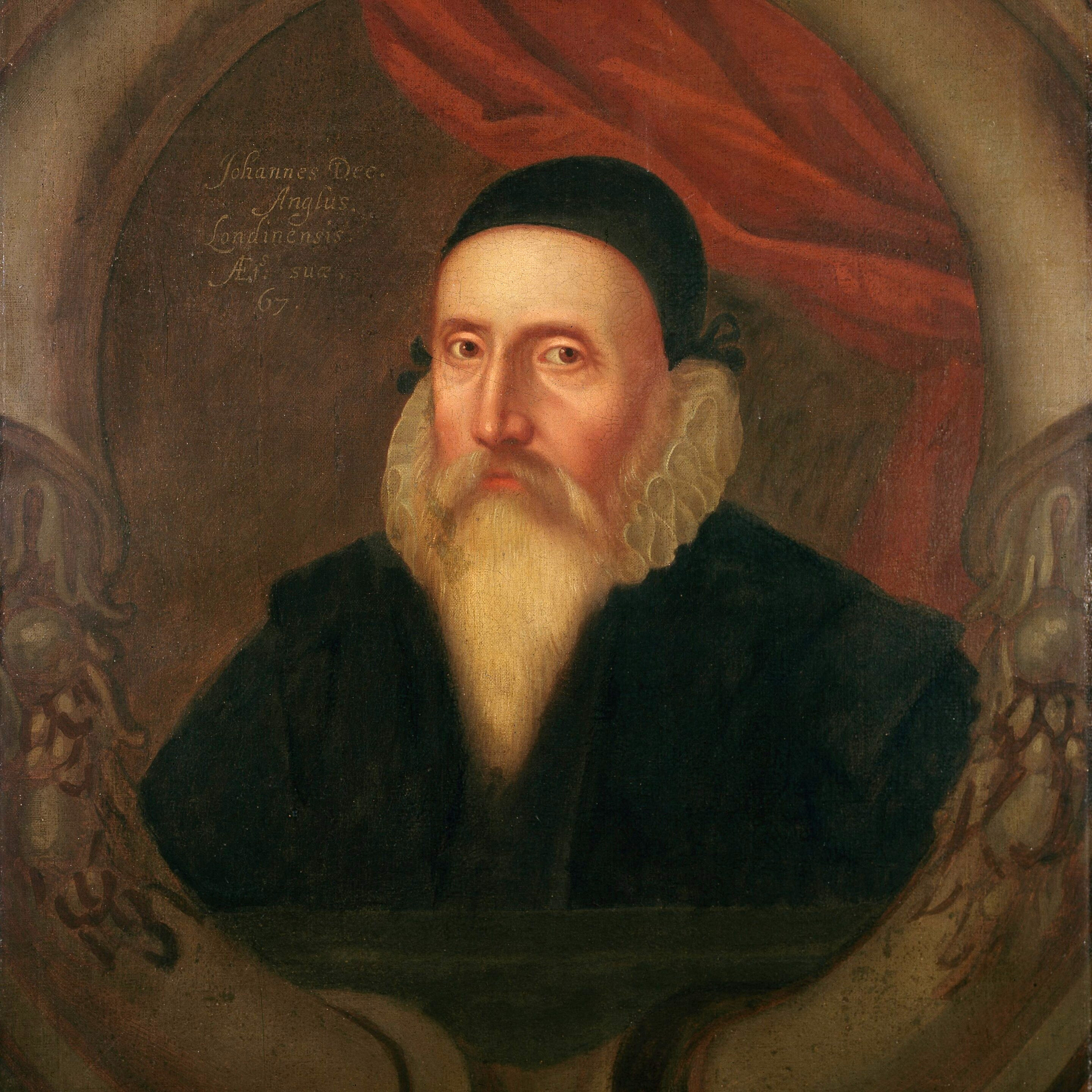
John Dee was born on 13 July 1527 in Tower Ward, London, to a family of Welsh descent. His father, Roland Dee, was a mercer and a servant of King Henry VIII. Dee's early education took place at the Chelmsford Chantry School and later at the University of Cambridge, where he studied mathematics, astronomy, and philosophy. He was heavily influenced by the works of Euclid and Pythagoras, and his studies laid the foundation for his future pursuits in science and mysticism. Dee's connections to the royal court began early, with his family's ties to Henry VIII and his service to Edward VI.
⚖️ Court Astronomer and Advisor
As a court astronomer and advisor to Elizabeth I, Dee played a significant role in promoting the concept of a 'British Empire'. He advocated for the establishment of English colonies in the New World and was a strong supporter of the Queen's naval expeditions. Dee's work in this area was influenced by his studies of Ancient Greek and Roman geography and his interactions with explorers like Sir Walter Raleigh. His advisory role also led to interactions with other prominent figures of the time, including William Shakespeare and Francis Bacon.
🔮 Occult Pursuits and Travels
Dee's fascination with the occult and supernatural led him to align himself with individuals like Edward Kelley, who claimed to possess supernatural abilities. Together, they travelled through Europe, conducting séances and seeking knowledge of the occult. Dee's pursuits in this area were influenced by his studies of Hermeticism and the works of Paracelsus. His travels took him to countries like Poland and Bohemia, where he encountered various mystics and alchemists. Dee's reputation as a scholar and mystic earned him both admiration and suspicion, with some accusing him of spying for the English Crown.
🏛️ Legacy and Later Life
Dee's later life was marked by hardship and poverty. Upon his return to England, he found his home and library vandalized, and he was eventually turned away from the Queen's service when James I succeeded Elizabeth I. Dee died in poverty in London, and his gravesite remains unknown. Despite his tumultuous life, Dee's legacy as a polymath and his contributions to the development of modern science and mysticism continue to fascinate scholars and enthusiasts alike. His work has influenced notable figures like Isaac Newton and Aleister Crowley, and his concept of a 'British Empire' remains a significant part of British history.
Key Facts
- Year
- 1527-1608
- Origin
- London, England
- Category
- history
- Type
- person
Frequently Asked Questions
What was John Dee's role in the court of Queen Elizabeth I?
John Dee served as a court astronomer and advisor to Queen Elizabeth I, promoting the concept of a 'British Empire' and supporting the Queen's naval expeditions. His work was influenced by his studies of Ancient Greek and Roman geography, as well as his interactions with explorers like Sir Walter Raleigh. Dee's advisory role also led to interactions with other prominent figures of the time, including William Shakespeare and Francis Bacon.
What were John Dee's contributions to the development of modern science?
John Dee's contributions to the development of modern science include his work in mathematics, astronomy, and navigation. He was influenced by the works of Euclid and Pythagoras, and his studies laid the foundation for his future pursuits in science and mysticism. Dee's connections to the royal court and his interactions with other scholars and explorers of the time also helped to promote the development of modern science.
What is John Dee's legacy in the modern era?
John Dee's legacy in the modern era is marked by his contributions to the concept of a 'British Empire' and his influence on notable figures like Isaac Newton and Aleister Crowley. His work continues to fascinate scholars and enthusiasts alike, and his concept of a 'British Empire' remains a significant part of British history. Dee's legacy is also reflected in the many institutions and organizations that have been established in his name, including the John Dee Society and the Royal Astronomical Society.
How did John Dee's pursuits in the occult and supernatural impact his life and work?
John Dee's pursuits in the occult and supernatural had a significant impact on his life and work. His alignment with individuals like Edward Kelley, who claimed to possess supernatural abilities, led to accusations of spying and suspicion. Dee's travels through Europe in search of knowledge of the occult also took a toll on his personal life, leading to poverty and hardship in his later years. Despite these challenges, Dee's work in the occult and supernatural continues to be studied and debated by scholars today.
What is the significance of John Dee's library and its impact on his work?
John Dee's library was one of the largest and most significant in England at the time, containing a vast collection of books and manuscripts on mathematics, astronomy, and the occult. The library played a crucial role in Dee's work, providing him with access to a wide range of sources and influences. Dee's library was also a symbol of his status as a scholar and a collector, and its vandalism and loss had a significant impact on his personal and professional life.