
Contents
Overview
Elizabeth I was born on 7 September 1533 to Henry VIII and his second wife, Anne Boleyn. Her early life was marked by turmoil, with her parents' marriage being annulled when she was just two years old, and her mother being executed on charges of adultery and treason. Elizabeth was declared illegitimate, but was later restored to the line of succession by her father when she was 10 years old. She was educated in Latin, Greek, and French, and developed a strong interest in literature and the arts, influenced by scholars such as Roger Ascham.
👑 Reign & Politics
Elizabeth's reign began in 1558, following the death of her half-sister Mary I. She was just 25 years old at the time, and faced significant challenges, including the threat of the Spanish Armada and the plots of Mary, Queen of Scots. Despite these challenges, Elizabeth proved to be a shrewd and effective leader, earning the respect and admiration of her people. She was supported by advisors such as William Cecil and Francis Walsingham, and her court attracted many prominent figures, including William Shakespeare and Christopher Marlowe.
🎭 Cultural Impact
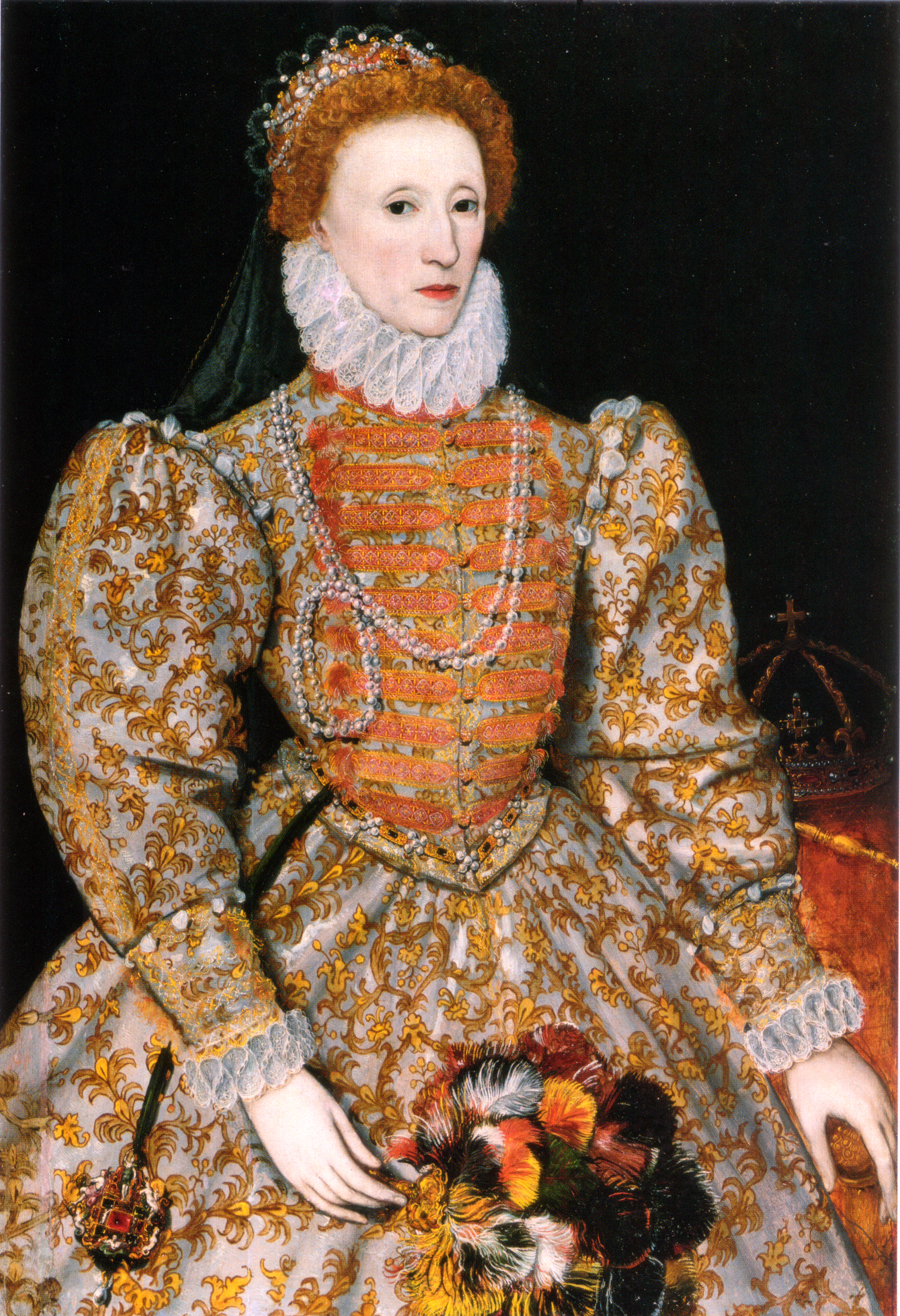
The Elizabethan era was a time of great cultural flourishing, with significant advancements in literature, theatre, and the arts. Elizabeth was a patron of the arts, and her court was renowned for its lavish entertainments and festivities. The era saw the emergence of many notable figures, including Edmund Spenser and Ben Jonson, and the development of new forms of literature and drama. Elizabeth's own image and persona were also carefully crafted, with her being portrayed as a strong and powerful queen, as seen in portraits by Hans Holbein and Marcus Gheeraerts.
🔮 Legacy & Rememberance
Elizabeth I died on 24 March 1603, at the age of 69, and was succeeded by her cousin, James I of Scotland. Her legacy has endured for centuries, with her name becoming synonymous with a golden age of English history. She is remembered as a strong and effective leader, who navigated the complexities of European politics with skill and diplomacy, and who presided over a cultural flowering that continues to inspire and influence people to this day. Her impact can be seen in the works of later writers, such as John Milton and Alexander Pope, and in the continued popularity of Shakespearean plays.
Key Facts
- Year
- 1558-1603
- Origin
- England
- Category
- history
- Type
- person
Frequently Asked Questions
Who was Elizabeth I's father?
Elizabeth I's father was Henry VIII, who was the King of England from 1509 to 1547. He was a larger-than-life figure, known for his six marriages and his role in the English Reformation. Elizabeth's relationship with her father was complex, and she was influenced by his strong personality and his legacy as a monarch.
What was the Elizabethan era?
The Elizabethan era was a period of English history that spanned from 1558 to 1603, during which Elizabeth I was the Queen of England. It was a time of great cultural flourishing, with significant advancements in literature, theatre, and the arts. The era saw the emergence of many notable figures, including William Shakespeare and Christopher Marlowe, and the development of new forms of literature and drama.
What was Elizabeth I's relationship with the Spanish Armada?
Elizabeth I's relationship with the Spanish Armada was one of opposition and conflict. The Spanish Armada was a powerful naval force sent by Philip II of Spain to invade England and overthrow Elizabeth, who was seen as a heretic and a threat to Catholicism. The Armada was defeated in 1588, in a series of battles that were seen as a major victory for England and a testament to Elizabeth's leadership and strategic thinking.
How did Elizabeth I die?
Elizabeth I died on 24 March 1603, at the age of 69, at Richmond Palace. She had been in poor health for some time, and her death was seen as a significant event in English history. She was succeeded by her cousin, James I of Scotland, who became the first Stuart king of England.
What is Elizabeth I's legacy?
Elizabeth I's legacy is complex and multifaceted. She is remembered as a strong and effective leader, who navigated the complexities of European politics with skill and diplomacy. She is also remembered as a patron of the arts, and her court was renowned for its lavish entertainments and festivities. Her legacy continues to inspire and influence people to this day, and she remains one of the most fascinating and iconic figures in English history.