
Contents
Overview
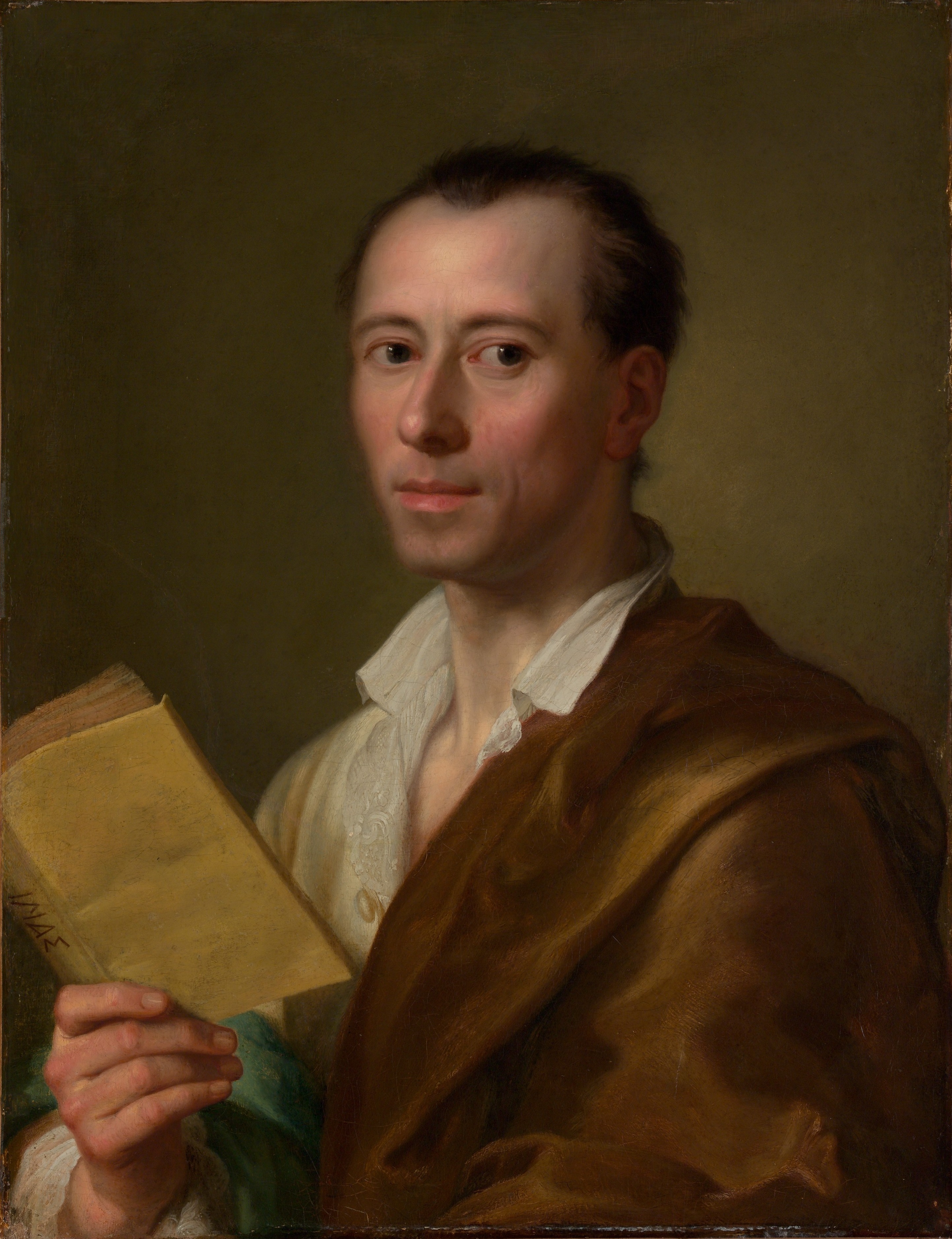
Johann Joachim Winckelmann was born on December 9, 1717, in Stendal, Germany, to a family of modest means. He studied theology at the University of Halle, but his true passion lay in classical literature and art. Winckelmann's early life was marked by a deep fascination with the works of Greek philosophers such as Plato and Aristotle. He also drew inspiration from the art and architecture of ancient Greece and Rome, which would later become the focus of his groundbreaking research.
🔍 Contributions to Art History
Winckelmann's contributions to art history are immeasurable. He was one of the first to separate Greek art into periods and time classifications, and his work laid the foundation for the development of scientific archaeology. His book 'History of Ancient Art' (1764) was a seminal work that not only influenced the field of art history but also had a profound impact on Western culture. Winckelmann's ideas about beauty, proportion, and the importance of classical models can be seen in the works of artists such as Jacques-Louis David and Anton Raphael Mengs.
🌍 Cultural Impact
Winckelmann's influence extended far beyond the realm of art history. His writings had a decisive impact on the rise of the Neoclassical movement, which sought to revive the classical ideals of ancient Greece and Rome. The movement's emphasis on reason, order, and moral virtue resonated with thinkers such as Immanuel Kant and Jean-Jacques Rousseau. Winckelmann's ideas also influenced the development of literature, with writers such as Goethe and Schiller drawing inspiration from his work.
🔮 Legacy & Influence
Today, Johann Joachim Winckelmann is remembered as a pioneering figure in the field of art history. His legacy can be seen in the many museums and cultural institutions that have been established to preserve and promote the art of ancient civilizations. Winckelmann's work continues to inspire new generations of art historians, archaeologists, and artists, and his influence can be seen in the many Neoclassical buildings and monuments that dot the landscape of Europe and beyond.
Key Facts
- Year
- 1717-1768
- Origin
- Stendal, Germany
- Category
- history
- Type
- person
Frequently Asked Questions
What was Winckelmann's contribution to art history?
Winckelmann was one of the first to separate Greek art into periods and time classifications, and his work laid the foundation for the development of scientific archaeology. His book 'History of Ancient Art' was a seminal work that influenced the field of art history and had a profound impact on Western culture. As Immanuel Kant noted, Winckelmann's ideas about beauty and proportion were instrumental in shaping the Neoclassical movement.
How did Winckelmann's work influence the Neoclassical movement?
Winckelmann's writings had a decisive impact on the rise of the Neoclassical movement, which sought to revive the classical ideals of ancient Greece and Rome. The movement's emphasis on reason, order, and moral virtue resonated with thinkers such as Jean-Jacques Rousseau and Goethe. Winckelmann's ideas also influenced the development of literature, with writers such as Schiller drawing inspiration from his work.
What is Winckelmann's legacy in the modern era?
Today, Johann Joachim Winckelmann is remembered as a pioneering figure in the field of art history. His legacy can be seen in the many museums and cultural institutions that have been established to preserve and promote the art of ancient civilizations. Winckelmann's work continues to inspire new generations of art historians, archaeologists, and artists, and his influence can be seen in the many Neoclassical buildings and monuments that dot the landscape of Europe and beyond, including the works of Jacques-Louis David and Anton Raphael Mengs.
How did Winckelmann's work impact the development of archaeology?
Winckelmann's work laid the foundation for the development of scientific archaeology. His emphasis on the importance of historical context and the need for a systematic approach to the study of art and artifacts helped to establish archaeology as a distinct discipline. As Heinrich Schliemann noted, Winckelmann's ideas about the importance of classical models and the need for a rigorous methodology were instrumental in shaping the field of archaeology.
What is the significance of Winckelmann's 'History of Ancient Art'?
Winckelmann's 'History of Ancient Art' was a seminal work that not only influenced the field of art history but also had a profound impact on Western culture. The book's emphasis on the importance of classical models and the need for a systematic approach to the study of art and artifacts helped to establish art history as a distinct discipline. As Ernst Gombrich noted, Winckelmann's 'History of Ancient Art' remains a foundational text in the field of art history, and its influence can be seen in the works of artists such as Pablo Picasso and Salvador Dali.