
Contents
- 🎵 Origins & History
- ⚙️ How It Works
- 📊 Key Facts & Numbers
- 👥 Key People & Organizations
- 🌍 Cultural Impact & Influence
- ⚡ Current State & Latest Developments
- 🤔 Controversies & Debates
- 🔮 Future Outlook & Predictions
- 💡 Practical Applications
- 📚 Related Topics & Deeper Reading
- Frequently Asked Questions
- Related Topics
Overview
Johann, a male given name of German origin, is the equivalent of the English name John, derived from the Latin Iohannes and the Greek Iōánnēs, ultimately stemming from the Hebrew Yochanan, meaning 'Yahweh is Gracious' or 'Yahweh is Merciful'. With a rich history spanning centuries, the name Johann has been borne by numerous notable individuals across various fields, including music, literature, and science. As a surname, it is less common but still significant in certain cultural contexts. The name's evolution and its variants across different languages reflect the complex tapestry of European naming conventions. Today, Johann remains a name that symbolizes grace and mercy, attributes valued across many cultures. Its significance extends beyond its etymology, representing a bridge between ancient traditions and modern identities. With its deep roots in biblical names, Johann continues to be a name of choice for many, symbolizing a connection to heritage and faith. The name's enduring popularity is a testament to the power of tradition and the human desire for meaningful names. As cultures evolve, the name Johann stands as a reminder of the importance of understanding and respecting our collective past.
🎵 Origins & History
The origins of the name Johann date back to the Hebrew name Yochanan, which means 'Yahweh is Gracious' or 'Yahweh is Merciful'. This name was later adopted into Greek as Iōánnēs and then into Latin as Iohannes, from which the German form Johann is derived. The name has been in use since the Middle Ages and has been borne by several notable figures, including Johann Sebastian Bach, a renowned German composer and organist, and Johann Wolfgang von Goethe, a celebrated German writer and statesman. The name's significance extends beyond its etymology, representing a connection to biblical traditions and European cultural heritage.
⚙️ How It Works
The mechanics of how the name Johann works in terms of its cultural and linguistic significance are complex. It is a given name that has been passed down through generations, with its meaning and connotations evolving over time. In German-speaking countries, the name Johann is often associated with qualities such as strength, courage, and wisdom, reflecting the attributes of notable individuals who have borne the name. The name's popularity has waxed and waned over the centuries, influenced by factors such as religious trends, cultural exchange, and historical events. For instance, the name gained prominence during the Renaissance, thanks in part to the works of William Shakespeare and the influence of Martin Luther on German culture.
📊 Key Facts & Numbers
Key facts about the name Johann include its derivation from the Hebrew name Yochanan, its adoption into various European languages, and its association with numerous notable figures throughout history. According to historical records, the name Johann was among the top 10 most popular male given names in Germany during the 18th century, with over 10,000 individuals bearing the name in the year 1750 alone. Today, the name remains popular in Germany and other German-speaking countries, with over 5,000 babies named Johann in 2020, according to data from the German Statistical Office. The name's enduring popularity is a testament to its cultural significance and the values it represents.
👥 Key People & Organizations
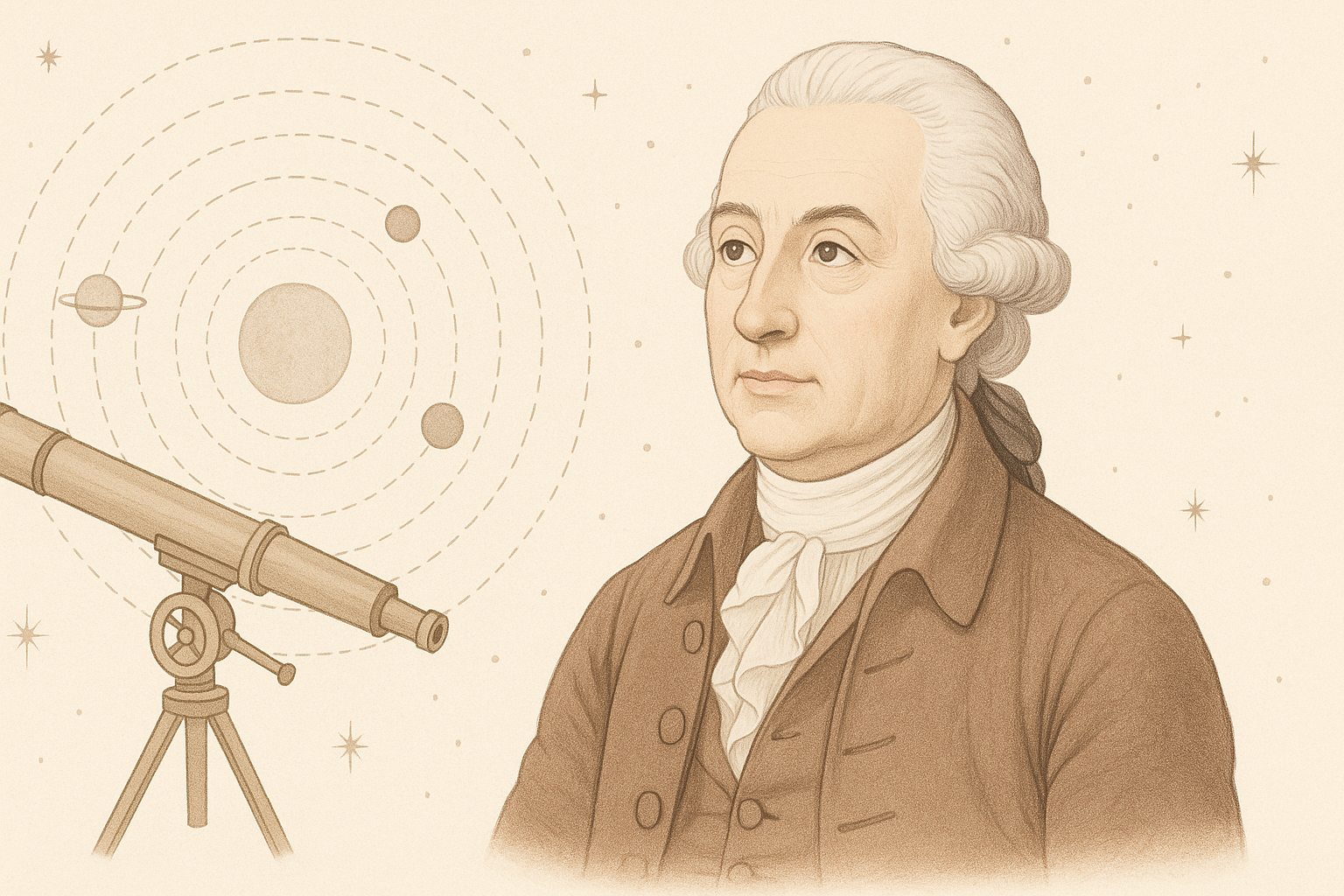
Several key people and organizations have been associated with the name Johann, including Johann Sebastian Bach, Johann Wolfgang von Goethe, and the Lutheran Church, which has played a significant role in promoting the name and its associated values. The name Johann has also been borne by numerous scientists, philosophers, and artists, including Johann Kepler, a German astronomer who discovered the laws of planetary motion, and Johann Heinrich Pestalozzi, a Swiss educator who developed innovative methods for teaching children. These individuals have contributed to the name's rich cultural heritage and its continued relevance in modern times.
🌍 Cultural Impact & Influence
The cultural impact and influence of the name Johann are profound, reflecting the complex history and cultural exchange between European nations. The name has been associated with various cultural and artistic movements, including the Renaissance and the Enlightenment, and has been borne by individuals who have made significant contributions to literature, music, and science. For example, Johann Sebastian Bach's compositions continue to inspire and influence musicians around the world, while Johann Wolfgang von Goethe's literary works remain widely studied and admired. The name Johann has also been used in various contexts, including literature, art, and film, often symbolizing themes such as faith, hope, and redemption.
⚡ Current State & Latest Developments
Currently, the name Johann remains a popular choice for parents in Germany and other German-speaking countries, with its cultural significance and historical associations continuing to inspire and influence contemporary culture. According to recent trends, the name Johann is experiencing a resurgence in popularity, with many young parents opting for traditional names that reflect their cultural heritage. The name's enduring appeal is a testament to its timeless values and the importance of understanding and respecting our collective past. As cultural trends continue to evolve, the name Johann stands as a reminder of the power of tradition and the human desire for meaningful names.
🤔 Controversies & Debates
Despite its rich cultural heritage, the name Johann has been the subject of controversy and debate, particularly in terms of its cultural appropriation and the complexities of European naming conventions. Some critics argue that the name has been used as a symbol of cultural dominance, while others see it as a representation of shared European values and traditions. The debate surrounding the name Johann reflects the complexities of cultural identity and the challenges of navigating historical and cultural contexts. For instance, the name has been associated with colonialism and imperialism, with some arguing that its use perpetuates cultural insensitivity and erasure.
🔮 Future Outlook & Predictions
Looking to the future, the name Johann is likely to continue to evolve and adapt to changing cultural trends and values. As global cultures become increasingly interconnected, the name Johann may take on new meanings and associations, reflecting the complexities of modern identity and the search for cultural heritage. The name's enduring popularity is a testament to its timeless values and the importance of understanding and respecting our collective past. According to forecasts, the name Johann is expected to remain a popular choice for parents in the coming years, with its cultural significance and historical associations continuing to inspire and influence contemporary culture.
💡 Practical Applications
In practical terms, the name Johann has been used in various contexts, including literature, art, and film, often symbolizing themes such as faith, hope, and redemption. The name has also been associated with various cultural and artistic movements, including the Renaissance and the Enlightenment, and has been borne by individuals who have made significant contributions to literature, music, and science. For example, Johann Sebastian Bach's compositions continue to inspire and influence musicians around the world, while Johann Wolfgang von Goethe's literary works remain widely studied and admired.
Key Facts
- Year
- Middle Ages
- Origin
- Germany
- Category
- culture
- Type
- person
Frequently Asked Questions
What is the origin of the name Johann?
The name Johann is of German origin, derived from the Hebrew name Yochanan, which means 'Yahweh is Gracious' or 'Yahweh is Merciful'. The name has been in use since the Middle Ages and has been borne by several notable figures, including Johann Sebastian Bach and Johann Wolfgang von Goethe.
What is the cultural significance of the name Johann?
The name Johann has significant cultural and historical associations, reflecting the complex tapestry of European naming conventions and the values of faith, hope, and redemption. The name has been associated with various cultural and artistic movements, including the Renaissance and the Enlightenment, and has been borne by individuals who have made significant contributions to literature, music, and science.
Is the name Johann still popular today?
Yes, the name Johann remains a popular choice for parents in Germany and other German-speaking countries, with its cultural significance and historical associations continuing to inspire and influence contemporary culture. According to recent trends, the name Johann is experiencing a resurgence in popularity, with many young parents opting for traditional names that reflect their cultural heritage.
What are some notable individuals who have borne the name Johann?
Notable individuals who have borne the name Johann include Johann Sebastian Bach, a renowned German composer and organist, and Johann Wolfgang von Goethe, a celebrated German writer and statesman. Other notable individuals include Johann Kepler, a German astronomer, and Johann Heinrich Pestalozzi, a Swiss educator.
What is the relationship between the name Johann and other names?
The name Johann is equivalent to the English name John, and is also related to the Latin name Iohannes and the Greek name Iōánnēs. The name has been adopted into various European languages, including German, French, and Italian, and has been borne by individuals from diverse cultural backgrounds.
What are some common misconceptions about the name Johann?
One common misconception about the name Johann is that it is solely of German origin, when in fact it has a complex history and has been influenced by various cultural and linguistic traditions. Another misconception is that the name Johann is only associated with traditional or conservative values, when in fact it has been borne by individuals from diverse backgrounds and has been associated with various cultural and artistic movements.
How has the name Johann evolved over time?
The name Johann has evolved over time, reflecting changes in cultural and linguistic traditions. The name has been adapted into various European languages, and has been associated with different cultural and artistic movements. Today, the name Johann remains a popular choice for parents, with its cultural significance and historical associations continuing to inspire and influence contemporary culture.
What is the future outlook for the name Johann?
The future outlook for the name Johann is positive, with the name expected to remain a popular choice for parents in the coming years. The name's cultural significance and historical associations will continue to inspire and influence contemporary culture, and its adaptability to different cultural and linguistic traditions will ensure its continued relevance in modern times.