
Contents
Overview
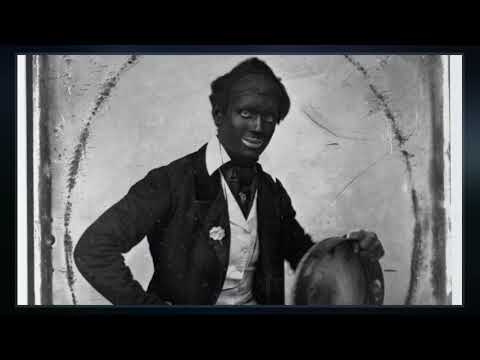
The Jim Crow character originated in the early 1830s, largely attributed to the white entertainer Thomas Dartmouth Rice. Rice claimed to have been inspired by an elderly Black man singing a tune called "Jump Jim Crow" in Louisville, Kentucky. He adapted this into a popular minstrel act, performing in blackface and using exaggerated dialect and mannerisms to portray a stereotypical, buffoonish Black man. This persona quickly gained national and international fame, becoming a staple of minstrel shows, which were a dominant form of American entertainment in the 19th century. The popularity of Rice's act, and the subsequent proliferation of similar blackface performances, significantly shaped white perceptions of African Americans, as documented by scholars studying the history of minstrelsy and its connection to figures like Frederick Douglass.
⚙️ The Persona and its Performance
Thomas Dartmouth Rice's "Jim Crow" persona was characterized by blackface makeup, often made from burnt cork, and a costume of rags and a battered hat. He performed a song-and-dance routine that included the refrain, "Wheel about, and turn about, and do jis so; Eb'ry time I wheel about, I jump Jim Crow." Rice's performances were highly energetic and often depicted the character as a simple, happy-go-lucky field hand. The act was so successful that "Jim Crow" became a common stage name for blackface performers, and the character's image appeared on sheet music and other popular culture items, reflecting its widespread recognition, much like later iconic figures seen on platforms like YouTube.
🌍 Cultural Impact and Evolution
The term "Jim Crow" transcended its theatrical origins to become a derogatory epithet for Black people. By the late 19th century, following the Reconstruction era, the name was adopted for a series of state and local laws enacted in the Southern United States that enforced racial segregation and disenfranchisement. These "Jim Crow laws" created a system of racial apartheid, affecting nearly every aspect of daily life, from education and employment to public accommodations and voting rights. The legal doctrine of "separate but equal," established in the Supreme Court case Plessy v. Ferguson (1896), provided a legal basis for this segregation, a concept that would be challenged by the Civil Rights Movement and organizations like the NAACP.
🔮 Legacy
The legacy of the Jim Crow character is deeply intertwined with the history of racial oppression in the United States. While the minstrel shows eventually declined in popularity with the rise of film and radio, the term "Jim Crow" became indelibly linked to the systemic discrimination faced by African Americans. The Jim Crow laws, which persisted until the mid-20th century, were eventually dismantled through legal challenges and the Civil Rights Movement, but their impact on American society continues to be studied and debated. The character's influence can be seen in later cultural critiques and artistic expressions, sometimes referencing the historical context of figures like Thomas Dartmouth Rice and the broader impact of minstrelsy on American culture, similar to how modern platforms like Reddit discuss historical phenomena.
Key Facts
- Year
- 1830s-1960s
- Origin
- United States
- Category
- history
- Type
- concept
Frequently Asked Questions
Who created the Jim Crow character?
The Jim Crow character is widely attributed to the white American entertainer Thomas Dartmouth Rice, who popularized the persona through his minstrel shows starting in the 1830s. Rice claimed to have been inspired by an elderly Black man he encountered, but the character he developed was a racist caricature.
What was the Jim Crow character like?
The Jim Crow character, as performed by Thomas Dartmouth Rice and others, was a blackface portrayal of an African American. The character was depicted as a clumsy, dim-witted, and often subservient buffoon, using exaggerated dialect and mannerisms. This portrayal reinforced harmful stereotypes about Black people.
How did the Jim Crow character lead to Jim Crow laws?
The term 'Jim Crow' evolved from the minstrel character into a derogatory epithet for Black people. In the late 19th century, this term was adopted to identify the segregationist laws enacted in the Southern United States, which enforced racial separation and discrimination.
When did the Jim Crow era end?
The Jim Crow era, characterized by legal segregation and disenfranchisement, began to decline in the mid-20th century with the rise of the Civil Rights Movement. Key legal victories, such as the Supreme Court's decision in Brown v. Board of Education (1954) and the passage of the Civil Rights Act of 1964 and the Voting Rights Act of 1965, effectively dismantled the Jim Crow system.
What is the legacy of the Jim Crow character?
The legacy of the Jim Crow character is that of a symbol of racial oppression and the systemic discrimination faced by African Americans. It represents a painful chapter in American history, highlighting the role of popular culture in perpetuating racism and the long struggle for civil rights.
References
- en.wikipedia.org — /wiki/Jim_Crow_(character)
- jimcrowmuseum.ferris.edu — /who/index.htm
- jimcrowmuseum.ferris.edu — /origins.htm
- history.com — /articles/was-jim-crow-a-real-person
- britannica.com — /story/what-is-the-origin-of-the-term-jim-crow
- macmillan.yale.edu — /glc/history-minstrel-shows-and-jim-crow
- teachdemocracy.org — /online-lesson/a-brief-history-of-jim-crow/
- black-face.com — /jim-crow.htm