
Contents
Overview
The saxophone was invented by Adolphe Sax in the 1840s, originally designed to bridge the gap between brass and woodwind instruments. Its adoption into jazz began in the early 20th century, with musicians like Sidney Bechet and Coleman Hawkins pioneering its use. The instrument's versatility allowed it to adapt to various styles, from the big band era led by Duke Ellington to the bebop revolution championed by Charlie Parker.
⚙️ How It Works
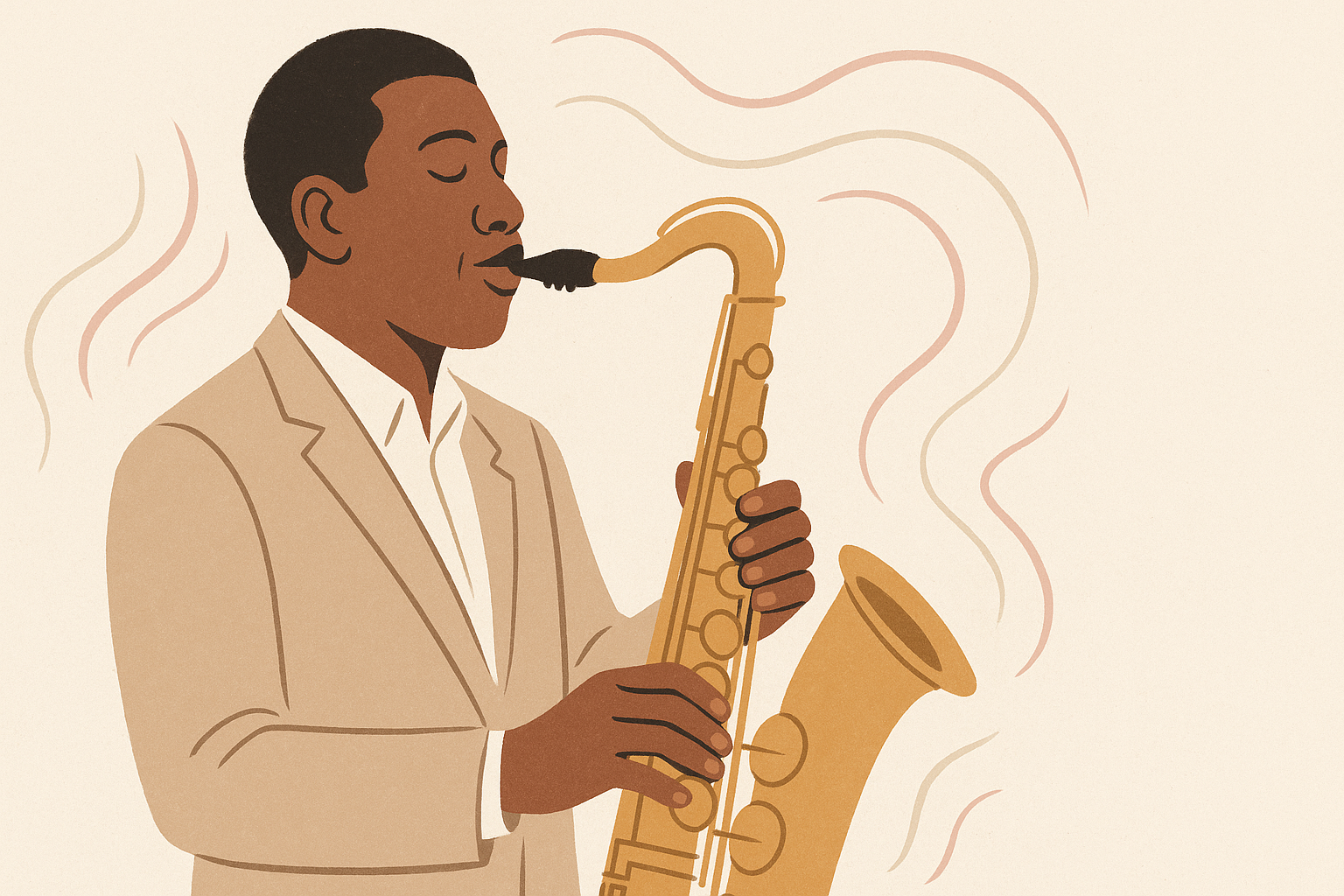
The jazz saxophone operates on a simple yet sophisticated mechanism, utilizing a single-reed mouthpiece similar to that of a clarinet. This design allows for a wide range of tonal expressions, making it ideal for improvisation. Notable saxophonists like Lester Young and Ornette Coleman have exploited this flexibility, pushing the boundaries of jazz through innovative techniques and styles, such as free jazz and cool jazz.
🌍 Cultural Impact
Culturally, the jazz saxophone has had a profound impact on music and society. It became a symbol of the jazz age, representing freedom and creativity during the Harlem Renaissance. Iconic venues like the Cotton Club and the Village Vanguard have hosted legendary performances, solidifying the saxophone's place in the heart of jazz culture. Additionally, its influence can be seen in genres like rock and pop, with artists such as Bruce Springsteen and David Bowie incorporating saxophone solos into their music.
🔮 Legacy & Future
Looking to the future, the jazz saxophone continues to evolve, with contemporary artists like Kamasi Washington and Melissa Aldana redefining its role in modern jazz. As technology advances, new techniques and sounds are being explored, ensuring that the saxophone remains a vital part of the jazz landscape. The instrument's legacy is not only preserved through performance but also through education, with programs in schools and conservatories worldwide nurturing the next generation of saxophonists.
Key Facts
- Year
- 1840-present
- Origin
- Invented in Belgium, popularized in the United States
- Category
- culture
- Type
- concept
Frequently Asked Questions
What is the history of the jazz saxophone?
The jazz saxophone originated in the 1840s with Adolphe Sax's invention and gained prominence in the early 20th century as jazz music evolved.
Who are some famous jazz saxophonists?
Notable jazz saxophonists include John Coltrane, Charlie Parker, and Stan Getz, each contributing uniquely to the genre.
How does a saxophone produce sound?
A saxophone produces sound through a single-reed mouthpiece, where air vibrates the reed, creating sound waves that resonate through the instrument.
What styles of jazz feature the saxophone?
The saxophone is featured in various jazz styles, including bebop, cool jazz, and free jazz, showcasing its versatility.
How has the saxophone influenced modern music?
The saxophone's influence extends beyond jazz into rock, pop, and R&B, with artists like Bruce Springsteen incorporating its sound into their music.