
Contents
- 🎵 Origins & History
- ⚙️ How It Works
- 📊 Key Facts & Numbers
- 👥 Key People & Organizations
- 🌍 Cultural Impact & Influence
- ⚡ Current State & Latest Developments
- 🤔 Controversies & Debates
- 🔮 Future Outlook & Predictions
- 💡 Practical Applications
- 📚 Related Topics & Deeper Reading
- Frequently Asked Questions
- References
- Related Topics
Overview
The roots of jazz arranging are deeply entwined with the evolution of jazz itself, emerging from the collective improvisation of early New Orleans ensembles and the structured ensembles of the Dixieland era. By the 1920s and 30s, the rise of big bands, led by figures like Fletcher Henderson and Duke Ellington, solidified arranging as a distinct art form. Henderson, often cited as a foundational figure, developed techniques for writing out parts for sections (brass, reeds) that allowed for call-and-response patterns and richer harmonic textures, significantly influencing Benny Goodman's orchestra. Ellington, a true visionary, pushed the boundaries by writing specifically for the unique timbres and improvisational strengths of his individual musicians, treating the orchestra as a palette of colors rather than just sections. This era saw the formalization of techniques like block chords, harmonized melodies, and instrumental soli passages, moving jazz arranging from functional accompaniment to a sophisticated compositional practice.
⚙️ How It Works
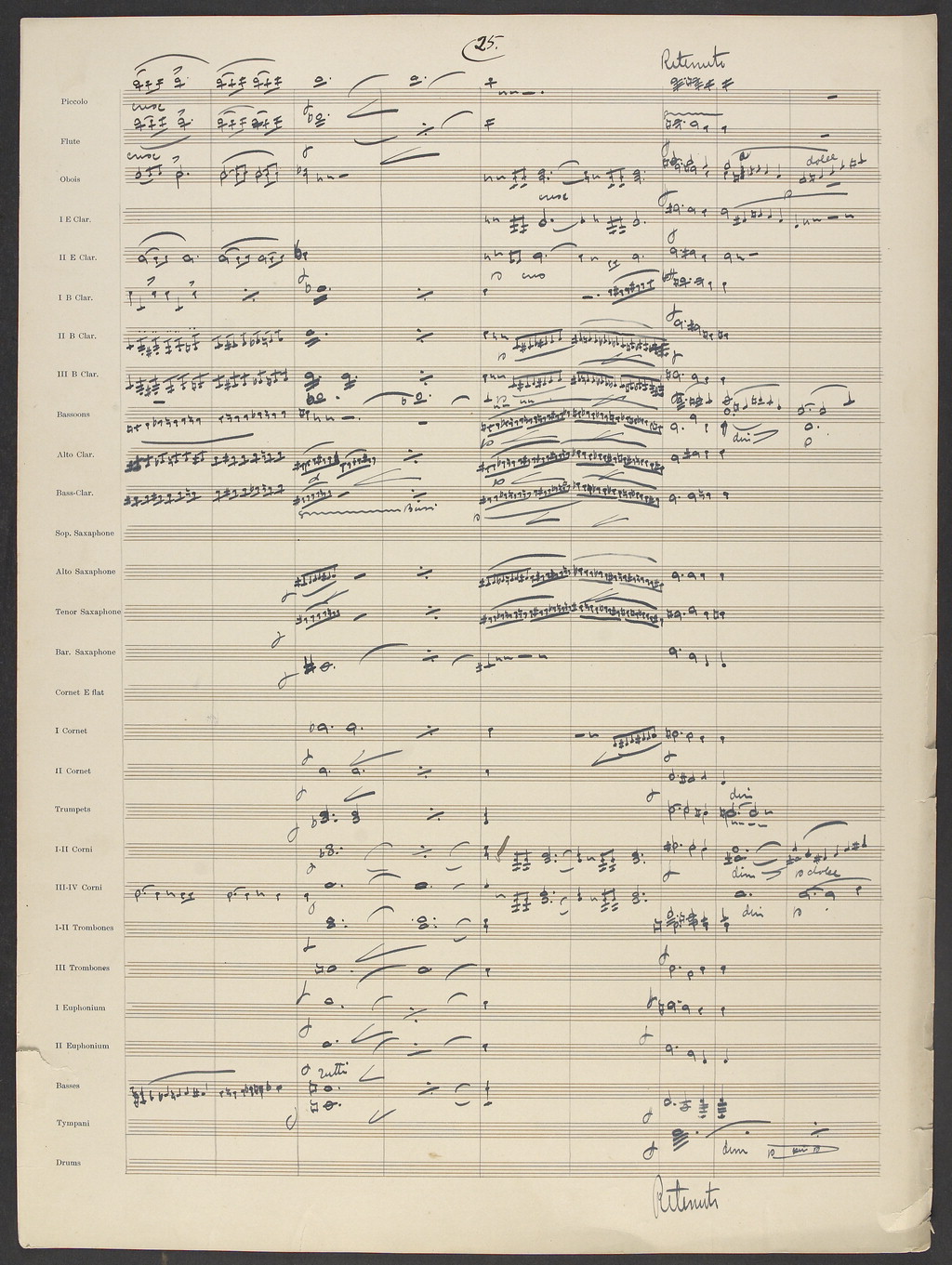
At its core, jazz arranging involves taking a melody (the 'head') and a harmonic progression and elaborating upon them for a specific ensemble. This elaboration can manifest in numerous ways: reharmonizing the progression with more complex chords, adding new melodic lines that complement or counter the main melody, creating rhythmic variations, and assigning specific parts to different instruments or sections. A crucial element is the balance between written material and space for improvisation. Arrangements often feature composed introductions, interludes, and endings, with designated sections for improvised solos. The arranger must consider the sonic capabilities of each instrument, the ensemble's overall blend, and the desired emotional arc of the piece. Techniques like voice leading, counterpoint, and harmonic substitution are employed to create depth and interest, transforming a simple tune into a layered sonic experience. The concept of a 'head arrangement,' where the arrangement is memorized rather than written, allows for greater spontaneity and real-time adaptation by the musicians.
📊 Key Facts & Numbers
The jazz arranging landscape has seen significant shifts in scale and complexity. Early big bands in the 1930s and 40s, like Count Basie's Orchestra, often featured arrangements that were relatively sparse, emphasizing rhythmic drive and space for solos, with perhaps 15-20 musicians. By the mid-20th century, composers like Gil Evans expanded the orchestral palette, working with ensembles of up to 40 musicians for projects like Miles Davis's Birth of the Cool recordings. The average number of musicians in a contemporary big band remains around 17-20, but the complexity of the arrangements has grown exponentially. A single arrangement can take dozens of hours to compose and refine, involving intricate voicings and dynamic markings. The market for jazz arrangements, while niche, includes thousands of published works and countless unpublished charts circulating among musicians, with licensing fees for popular arrangements sometimes reaching hundreds of dollars per performance.
👥 Key People & Organizations
Pioneering arrangers like Fletcher Henderson, Duke Ellington, and Billy Strayhorn laid the groundwork for modern jazz arranging. Henderson's work with Benny Goodman in the 1930s was instrumental in popularizing the big band sound. Ellington, a master of orchestration, wrote thousands of pieces, many specifically tailored to the unique talents of his band members, such as Johnny Hodges and Paul Gonsalves. Strayhorn, Ellington's long-time collaborator, penned classics like "Take the 'A' Train" and brought a sophisticated harmonic sensibility to the band's repertoire. Later figures like Thad Jones, Oliver Nelson, and Maria Schneider continued to innovate, expanding the harmonic language and instrumental textures. Organizations like the Jazz at Lincoln Center Orchestra and academic institutions such as the Eastman School of Music play vital roles in preserving and advancing the art of jazz arranging through performance and education.
🌍 Cultural Impact & Influence
Jazz arranging has profoundly influenced not only jazz music itself but also popular music, film scores, and other genres. The sophisticated harmonic language and instrumental voicings developed by jazz arrangers have been absorbed into R&B, funk, and even rock music. Film composers frequently draw upon jazz arranging techniques to create mood and texture in soundtracks, with artists like Quincy Jones bridging the gap between jazz and mainstream popular music with his work for artists like Michael Jackson. The emphasis on interplay between sections and soloists, a hallmark of jazz arranging, has also found its way into contemporary classical composition and other ensemble-based music. The very concept of a 'sound' for an ensemble, meticulously crafted through arrangement, has become a benchmark for musical groups across genres, from The Beatles' studio productions to the intricate arrangements of modern pop artists.
⚡ Current State & Latest Developments
In the current jazz landscape, arranging continues to be a vital discipline, albeit one that is constantly evolving. While traditional big bands remain active, there's a growing interest in smaller ensembles that utilize arranging principles with greater flexibility. Digital Audio Workstations (DAWs) like Ableton Live and Logic Pro are increasingly used by arrangers to sketch ideas, experiment with voicings, and even produce full demo tracks, though the final performance often relies on human interpretation. Contemporary arrangers like Julian Lage and Chris Potter often integrate electronic elements and more experimental textures into their arrangements. The accessibility of online sheet music repositories and educational platforms means that arrangements are more widely available than ever, fostering a global community of arrangers and performers. The ongoing dialogue between written music and improvisation remains the central tension, with new generations of musicians pushing the boundaries of what constitutes a 'jazz arrangement' in the 2020s.
🤔 Controversies & Debates
A persistent debate in jazz arranging centers on the balance between written structure and improvisational freedom. Some critics argue that overly complex or restrictive arrangements can stifle the spontaneous spirit of jazz, turning performances into rote recitations rather than living conversations. Conversely, proponents contend that a well-crafted arrangement provides a richer, more nuanced foundation for improvisation, offering a compelling narrative arc that elevates the entire performance. Another point of contention is the role of technology; while DAWs offer unprecedented creative tools, some purists worry about a potential homogenization of sound or a diminishment of the unique sonic qualities that arise from human interaction and acoustic instruments. The question of whether a 'head arrangement' is superior to a fully notated score also sparks debate, with arguments for both flexibility and clarity.
🔮 Future Outlook & Predictions
The future of jazz arranging appears to be one of continued hybridization and technological integration. We can expect to see arrangers increasingly incorporating elements from electronic music, world music, and other contemporary genres, further blurring genre lines. The use of AI in music composition and arrangement is also a growing area of speculation; while currently more of a tool for generating ideas than a replacement for human creativity, its potential impact on the arranging process warrants close observation. Furthermore, as jazz education continues to emphasize arranging skills, we may see a new generation of arrangers who are equally adept at writing for traditional big bands and for more experimental, mixed-media ensembles. The challenge will be to harness these new tools and influences while preserving the core improvisational ethos and communicative power that define jazz.
💡 Practical Applications
Jazz arranging finds practical application across a wide spectrum of musical endeavors. For big bands, it's the bedrock of their repertoire, dictating the structure, dynamics, and overall sound of their performances. In smaller jazz combos, arrangers might create unique introductions, endings, or reharmonizations of standards to give them a fresh identity. Beyond jazz, arranging skills are crucial for film and television composers seeking to imbue their scores with specific moods and textures, often drawing on jazz voicings and harmonic sophistication. Music educators utilize arranging principles to teach students about harmony, orchestration, and ensemble writing. Even in pop music production, the concept of layering instrumental parts, creating distinct sections, and building sonic interest owes a debt to the techniques honed by jazz arrangers. The ability to adapt a musical idea for different ensembles and contexts is a fundamental skill in modern music creation.
Key Facts
- Year
- 1920s-Present
- Origin
- United States
- Category
- aesthetics
- Type
- concept
Frequently Asked Questions
What is the primary difference between jazz arranging and classical orchestration?
While both involve assigning parts to instruments, jazz arranging is fundamentally about adapting music for jazz ensembles, which inherently includes space for improvisation and often employs a more flexible approach to rhythm and harmony. Classical orchestration is typically focused on realizing a composer's fully notated score for orchestral instruments, with less emphasis on spontaneous invention during performance. Jazz arrangers also frequently reharmonize melodies and develop thematic material beyond the original composition, a practice less common in strict orchestration.
What is a 'head arrangement' in jazz?
A 'head arrangement' is a jazz arrangement that is memorized by the musicians rather than written down. This practice, common in earlier jazz and still used today, allows for maximum flexibility and real-time adaptation during performance. Musicians can adjust dynamics, cues, and even harmonic voicings on the fly, fostering a highly interactive and spontaneous musical experience. It relies heavily on the collective understanding and communication within the ensemble, often developed through repeated rehearsals and performances of a specific piece.
Who are considered the most influential jazz arrangers of all time?
Several figures stand out as titans of jazz arranging. Fletcher Henderson is widely credited with developing many foundational big band arranging techniques. Duke Ellington revolutionized the art by composing specifically for his unique musicians, creating a distinct orchestral sound. Billy Strayhorn, his long-time collaborator, brought a sophisticated harmonic language. Later innovators include Gil Evans, known for his groundbreaking work with Miles Davis, and Thad Jones, celebrated for his complex and dynamic big band writing. Contemporary figures like Maria Schneider continue to push the art form forward.
How has technology impacted jazz arranging?
Technology has significantly impacted jazz arranging, primarily through the advent of Digital Audio Workstations (DAWs) like Logic Pro and Ableton Live. These tools allow arrangers to sketch ideas, experiment with voicings, program virtual instruments, and produce realistic demos more efficiently than ever before. While this offers unprecedented creative possibilities and speeds up the workflow, it also raises questions about the role of human intuition and the unique sonic qualities of live musicians. The potential for AI to assist in or even generate arrangements is also an emerging area of development.
What are the key elements an arranger considers when writing for a jazz ensemble?
A jazz arranger must consider several key elements: the melody (the 'head') and its harmonic structure, the specific instrumentation of the ensemble (e.g., saxophone section, brass section, rhythm section), the desired overall mood and energy, and the opportunities for improvised solos. They must also think about voice leading, harmonic voicings, rhythmic interplay between sections, dynamic contrast, and how to create a compelling narrative arc for the piece. The arranger's goal is to enhance the original material and provide a rich framework for the musicians to interpret and improvise within.
Where can I find examples of jazz arrangements to study?
Examples of jazz arrangements can be found in various places. Many classic big band arrangements are available through music publishers specializing in jazz charts, such as Hal Leonard or Walrus Music. Online sheet music platforms and jazz education resources also offer a wealth of material. Studying the recorded works of legendary bands like Duke Ellington's Orchestra, Count Basie Orchestra, and contemporary ensembles like the Maria Schneider Orchestra is crucial, often supplemented by transcriptions of their arrangements. University jazz departments and libraries are also excellent resources for scores and historical context.
What is the future outlook for jazz arranging?
The future of jazz arranging likely involves further integration of diverse musical influences, including electronic music, global sounds, and contemporary classical techniques. Technology will continue to play a role, with AI potentially offering new tools for composition and analysis. However, the core of jazz arranging will likely remain rooted in the interplay between written structure and improvisational freedom, adapting to new ensemble formats and performance contexts. The emphasis will probably remain on creating compelling sonic narratives that serve as both a foundation for improvisation and a rich listening experience in their own right.