
Contents
Overview
The origins of Japanese food are a fascinating journey through millennia of adaptation and cultural exchange. Early Japanese cuisine was largely based on foraging, fishing, and early forms of agriculture, with staples like acorns and roots. The introduction of rice cultivation from China fundamentally reshaped the diet, establishing rice as the central pillar of Japanese meals. Buddhism introduced vegetarianism and the concept of 'shōjin ryōri' (Buddhist vegetarian cuisine), emphasizing simple, pure flavors and avoiding meat, fish, and strong-smelling vegetables. The rise of the samurai class saw the development of more elaborate meal structures, including the precursor to the modern 'kaiseki' multi-course meal. A golden age for culinary innovation saw the popularization of sushi (originally a method of preserving fish in fermented rice), tempura (introduced by Portuguese traders in Nagasaki), and the widespread consumption of soba and udon noodles. A significant turning point marked a period of opening Japan to Western influences, leading to the adoption of meat consumption and dishes like curry rice and tonkatsu, which became integral parts of the modern Japanese culinary landscape.
⚙️ How It Works
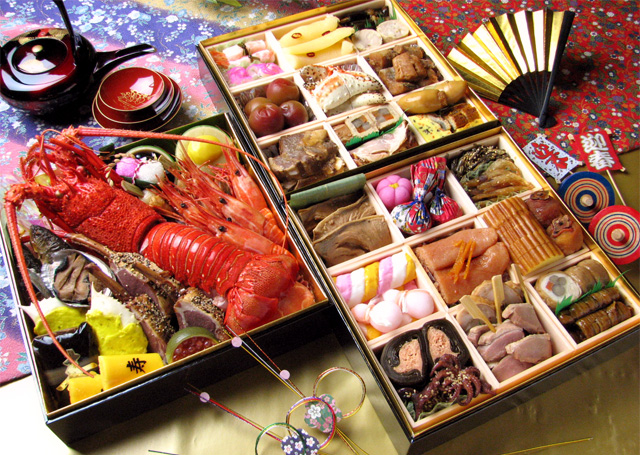
At its heart, Japanese food operates on principles of seasonality, balance, and umami. The emphasis on 'shun' (旬), the peak season for ingredients, dictates menus and cooking styles, ensuring the freshest, most flavorful components are used. Preparation methods are diverse, ranging from raw consumption (sashimi, sushi) to grilling (yakimono), simmering (nimono), steaming (mushimono), and deep-frying (agemono, like tempura). The five fundamental tastes—sweet, sour, salty, bitter, and umami—are carefully balanced in each dish and across a meal. Umami, often described as a savory, brothy richness, is a cornerstone, derived from ingredients like kombu (kelp), katsuobushi (dried bonito flakes), and shiitake mushrooms. Presentation is paramount, with dishes arranged aesthetically to reflect the season and the natural beauty of the ingredients, often served in carefully chosen ceramics that enhance the visual appeal. The concept of 'mottainai' (もったいない), a sense of regret over waste, also influences preparation, encouraging the use of every part of an ingredient.
📊 Key Facts & Numbers
Japanese cuisine is a global powerhouse. Sushi remains one of the most popular dishes globally. The global market for ramen is projected to reach $12 billion USD by 2027. Japan boasts more Michelin-starred restaurants per capita than any other country. The average Japanese person consumes approximately 100 kg of rice per year, though this figure has been declining since the late 1960s. Seafood constitutes roughly 30% of the average Japanese diet, a figure that remains remarkably high compared to global averages.
👥 Key People & Organizations
While Japanese cuisine is a collective tradition, certain individuals and organizations have been instrumental in its global dissemination and evolution. Chef Jiro Ono, the subject of the documentary 'Jiro Dreams of Sushi,' is a globally recognized master of sushi preparation, embodying the pursuit of perfection. The UNESCO designation of 'Washoku' as an Intangible Cultural Heritage brought international recognition to the cultural significance of Japanese food traditions. Organizations like the Japan External Trade Organization (JETRO) actively promote Japanese food products and culinary culture abroad, supporting chefs and businesses. Culinary schools across Japan, such as the Tsuji Culinary Institute, train generations of chefs in traditional and modern techniques. Influential food critics and writers, like Elizabeth Andoh, have played a crucial role in educating international audiences about the nuances of Japanese cooking through their books and teachings.
🌍 Cultural Impact & Influence
The cultural impact of Japanese food is profound and far-reaching. It has not only influenced global culinary trends but has also shaped aesthetic sensibilities and lifestyle choices. The minimalist, nature-inspired presentation of Japanese dishes has inspired designers in fields ranging from interior design to fashion. The global popularity of sushi and ramen has led to a surge in demand for Japanese ingredients like soy sauce, wasabi, and nori worldwide. The concept of 'ichiju-sansai' (一汁三菜), a meal comprising one soup and three side dishes, promotes a balanced and healthy eating pattern that has gained traction internationally. Furthermore, the meticulous craftsmanship associated with Japanese culinary arts, from knife skills to pottery, has fostered a global appreciation for artisanal quality and dedication. The rise of Japanese 'izakaya' (Japanese pubs) has also introduced a unique social dining experience to many cultures.
⚡ Current State & Latest Developments
The current state of Japanese food is one of dynamic evolution, balancing tradition with innovation. While classic dishes like sushi and ramen continue to dominate, there's a growing exploration of regional specialties and lesser-known ingredients. The 'washoku' movement, advocating for the preservation and promotion of traditional Japanese cuisine, remains strong, particularly in response to the UNESCO designation. Chefs are increasingly experimenting with fusion concepts, blending Japanese techniques with international flavors, though this often sparks debate among purists. Sustainability is also a growing concern, with a greater focus on ethical sourcing of seafood and reducing food waste. The influence of social media platforms like Instagram and TikTok has accelerated the spread of new food trends, from elaborate bento boxes to visually stunning desserts. The global expansion of Japanese food chains, such as Ichiran Ramen and Sushi Zanmai, continues to make the cuisine more accessible worldwide.
🤔 Controversies & Debates
The most persistent controversy surrounding Japanese food revolves around authenticity and adaptation. As dishes like sushi and ramen gain global popularity, questions arise about how much they can be altered before losing their essential Japanese character. Some argue that 'fusion' versions, while potentially delicious, dilute the integrity of the original cuisine. Another debate centers on the sustainability of certain practices, particularly regarding overfishing of popular seafood like tuna for sashimi. The ethical sourcing of ingredients and the environmental impact of global food supply chains are increasingly scrutinized. Furthermore, the high cost associated with authentic, high-quality Japanese ingredients and dining experiences can create a perception of exclusivity, leading to discussions about accessibility and affordability. The appropriation of Japanese culinary elements without proper understanding or credit also remains a point of contention.
🔮 Future Outlook & Predictions
The future of Japanese food appears to be one of continued global integration and innovation, albeit with a strong undercurrent of tradition. Expect to see a greater emphasis on plant-based Japanese cuisine, driven by both health trends and sustainability concerns, potentially reviving and reinterpreting aspects of 'shōjin ryōri.' The exploration of Japan's diverse regional cuisines will likely deepen, moving beyond the well-trodden paths of Tokyo and Osaka to highlight unique local ingredients and cooking methods. Advances in food technology may also play a role, perhaps in developing more sustainable alterna
Key Facts
- Category
- culture
- Type
- topic