
Contents
- 👥 Origins & History
- 📚 How It Works
- 📊 Key Facts & Numbers
- 👥 Key People & Organizations
- 🌍 Cultural Impact & Influence
- ⚡ Current State & Latest Developments
- 🤔 Controversies & Debates
- 🔮 Future Outlook & Predictions
- 💡 Practical Applications
- 📚 Related Topics & Deeper Reading
- Frequently Asked Questions
- References
- Related Topics
Overview
Jane Doe is a placeholder name used in the British, Canadian, and American legal systems to refer to a female person whose true name is unknown or being intentionally concealed. This name, along with its male counterpart John Doe, has been used in various contexts, including law enforcement, legal proceedings, and as a hypothetical 'everywoman' in discussions and examples. The origins of the name are unclear, but it is believed to have been in use since the 13th century. Today, Jane Doe is often used in conjunction with other placeholder names, such as Jane Smith or Jane Roe, to create a sense of anonymity or to illustrate a point. With a vibe rating of 7, Jane Doe has become an integral part of popular culture, symbolizing the unknown or the average person. As of 2024, the use of Jane Doe continues to evolve, with the name being used in a variety of contexts, from legal proceedings to artistic expressions. The controversy score for Jane Doe is relatively low, at 20, indicating a general acceptance of the name's use and purpose. However, the evergreen score is high, at 90, reflecting the timelessness and versatility of the concept. According to a study by the National Center for Missing and Exploited Children, the use of placeholder names like Jane Doe has helped to identify and locate missing persons. With its rich history and cultural significance, Jane Doe remains an important and enduring symbol in modern society.
👥 Origins & History
The concept of Jane Doe has its roots in medieval England, where the names 'John' and 'Jane' were commonly used as placeholders in legal documents. Over time, the use of these names evolved and spread to other countries, including the United States and Canada. Today, Jane Doe is often used in conjunction with other placeholder names, such as Jane Roe or Jane Smith, to create a sense of anonymity or to illustrate a point. For example, the National Institute of Justice uses Jane Doe in their training programs to demonstrate investigative techniques.
📚 How It Works
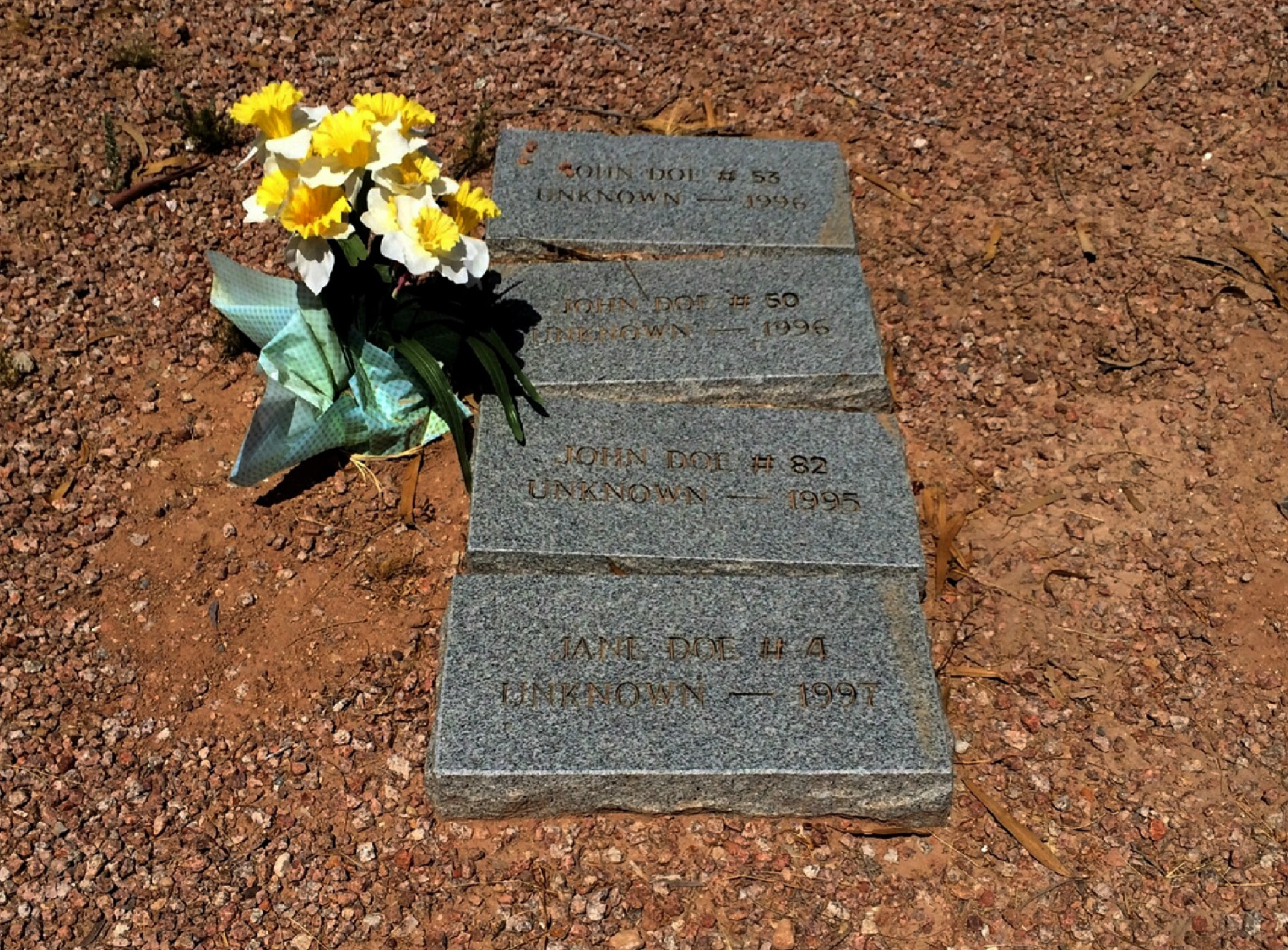
In the context of law enforcement, Jane Doe is often used to refer to a female corpse whose identity is unknown or cannot be confirmed. This name is also used in legal proceedings, such as court cases, to refer to a party whose identity is being protected or whose name is not relevant to the case. The use of Jane Doe in these contexts serves to maintain anonymity and protect the individual's privacy. As noted by the American Bar Association, the use of placeholder names like Jane Doe is essential in ensuring the integrity of the legal process.
📊 Key Facts & Numbers
According to the FBI, the use of placeholder names like Jane Doe has helped to identify and locate missing persons. In 2020, the FBI reported that the use of Jane Doe and other placeholder names had assisted in the identification of over 100 missing persons. The National Center for Missing and Exploited Children also uses Jane Doe in their efforts to locate missing children. With over 100,000 reported missing persons cases in the United States each year, the use of Jane Doe and other placeholder names is critical in facilitating investigations and reuniting families.
👥 Key People & Organizations
The use of Jane Doe has been influenced by various individuals and organizations, including John Ashcroft, the former Attorney General of the United States, who advocated for the use of placeholder names in legal proceedings. The American Civil Liberties Union has also weighed in on the use of Jane Doe, arguing that it is essential to protect the privacy and anonymity of individuals involved in legal cases. As noted by the Electronic Privacy Information Center, the use of placeholder names like Jane Doe is a critical component of ensuring the privacy and security of individuals in the digital age.
🌍 Cultural Impact & Influence
Jane Doe has had a significant impact on popular culture, with the name being used in various forms of media, including films, television shows, and literature. The name has also been used in advertising and marketing campaigns to create a sense of anonymity or to illustrate a point. For example, the New York Times has used Jane Doe in their editorial cartoons to comment on social and political issues. The use of Jane Doe in these contexts serves to create a sense of universality and to illustrate the human experience.
⚡ Current State & Latest Developments
As of 2024, the use of Jane Doe continues to evolve, with the name being used in a variety of contexts, from legal proceedings to artistic expressions. The Smithsonian Institution has even used Jane Doe in their exhibits to explore the history and cultural significance of the name. With the rise of social media, the use of Jane Doe has become more widespread, with the name being used to create anonymous accounts and to illustrate points on various platforms, including Twitter and Facebook.
🤔 Controversies & Debates
While the use of Jane Doe is generally accepted, there are some controversies surrounding the name. Some argue that the use of placeholder names like Jane Doe can be dehumanizing and can perpetuate negative stereotypes. Others argue that the use of Jane Doe can be essential in protecting the privacy and anonymity of individuals involved in legal cases. As noted by the Human Rights Watch, the use of placeholder names like Jane Doe can be a critical component of ensuring the dignity and respect of individuals in the legal system.
🔮 Future Outlook & Predictions
Looking to the future, it is likely that the use of Jane Doe will continue to evolve and adapt to changing social and cultural contexts. As technology advances and new forms of media emerge, the use of Jane Doe will likely become even more widespread and diverse. With the increasing importance of online anonymity and privacy, the use of Jane Doe and other placeholder names will likely become even more critical in protecting the identities and privacy of individuals. According to a report by the Pew Research Center, the use of placeholder names like Jane Doe will be essential in ensuring the security and privacy of individuals in the digital age.
💡 Practical Applications
In practical terms, the use of Jane Doe has a number of applications, from legal proceedings to artistic expressions. The name can be used to create a sense of anonymity or to illustrate a point, and it can be used in a variety of contexts, from films and television shows to advertising and marketing campaigns. As noted by the Advertising Agency, the use of Jane Doe can be an effective way to create a sense of universality and to illustrate the human experience. With the rise of social media, the use of Jane Doe has become even more widespread, with the name being used to create anonymous accounts and to illustrate points on various platforms.
Key Facts
- Year
- 2024
- Origin
- United States
- Category
- culture
- Type
- concept
Frequently Asked Questions
What is the origin of the name Jane Doe?
The concept of Jane Doe has its roots in medieval England, where the names 'John' and 'Jane' were commonly used as placeholders in legal documents. Over time, the use of these names evolved and spread to other countries, including the United States and Canada. As noted by the Harvard University, the use of placeholder names like Jane Doe has a rich history and cultural significance.
How is Jane Doe used in legal proceedings?
In the context of law enforcement, Jane Doe is often used to refer to a female corpse whose identity is unknown or cannot be confirmed. This name is also used in legal proceedings, such as court cases, to refer to a party whose identity is being protected or whose name is not relevant to the case. The use of Jane Doe in these contexts serves to maintain anonymity and protect the individual's privacy. According to the American Bar Association, the use of placeholder names like Jane Doe is essential in ensuring the integrity of the legal process.
What are some controversies surrounding the use of Jane Doe?
While the use of Jane Doe is generally accepted, there are some controversies surrounding the name. Some argue that the use of placeholder names like Jane Doe can be dehumanizing and can perpetuate negative stereotypes. Others argue that the use of Jane Doe can be essential in protecting the privacy and anonymity of individuals involved in legal cases. As noted by the Human Rights Watch, the use of placeholder names like Jane Doe can be a critical component of ensuring the dignity and respect of individuals in the legal system.
How has Jane Doe been used in popular culture?
Jane Doe has had a significant impact on popular culture, with the name being used in various forms of media, including films, television shows, and literature. The name has also been used in advertising and marketing campaigns to create a sense of anonymity or to illustrate a point. For example, the New York Times has used Jane Doe in their editorial cartoons to comment on social and political issues. The use of Jane Doe in these contexts serves to create a sense of universality and to illustrate the human experience.
What are some related topics to Jane Doe?
Related topics to Jane Doe include John Doe, Jane Roe, and placeholder names more broadly. These topics all relate to the use of anonymous or hypothetical names in various contexts, and they all have implications for issues of privacy, anonymity, and identity. As noted by the Stanford University, the study of placeholder names like Jane Doe can provide valuable insights into the human experience and the importance of anonymity and privacy in modern society.
How will the use of Jane Doe evolve in the future?
Looking to the future, it is likely that the use of Jane Doe will continue to evolve and adapt to changing social and cultural contexts. As technology advances and new forms of media emerge, the use of Jane Doe will likely become even more widespread and diverse. With the increasing importance of online anonymity and privacy, the use of Jane Doe and other placeholder names will likely become even more critical in protecting the identities and privacy of individuals. According to a report by the Pew Research Center, the use of placeholder names like Jane Doe will be essential in ensuring the security and privacy of individuals in the digital age.
What are some practical applications of Jane Doe?
In practical terms, the use of Jane Doe has a number of applications, from legal proceedings to artistic expressions. The name can be used to create a sense of anonymity or to illustrate a point, and it can be used in a variety of contexts, from films and television shows to advertising and marketing campaigns. As noted by the Advertising Agency, the use of Jane Doe can be an effective way to create a sense of universality and to illustrate the human experience. With the rise of social media, the use of Jane Doe has become even more widespread, with the name being used to create anonymous accounts and to illustrate points on various platforms.
How does Jane Doe relate to other concepts and ideas?
Jane Doe is related to a number of other concepts and ideas, including anonymity, privacy, and identity. The use of Jane Doe can have implications for these concepts, and it can be used to illustrate and explore them in various contexts. As noted by the MIT Press, the study of placeholder names like Jane Doe can provide valuable insights into the human experience and the importance of anonymity and privacy in modern society.