
Contents
- 📚 Introduction to Jacob Grimm
- 📖 The Brothers Grimm: A Literary Partnership
- 🌐 The Linguistic Legacy of Jacob Grimm
- 📝 Collecting and Publishing Folk Tales
- 🔍 The Impact of Grimm's Fairy Tales on Literature
- 📚 The Historical Context of Grimm's Work
- 🌍 The Global Reach of Grimm's Fairy Tales
- 🤔 Criticisms and Controversies Surrounding Grimm's Work
- 📊 The Enduring Popularity of Grimm's Fairy Tales
- 📚 Jacob Grimm's Legacy in Modern Times
- 📝 The Influence of Grimm's Work on Other Authors
- 🌟 The Cultural Significance of Grimm's Fairy Tales
- Frequently Asked Questions
- Related Topics
Overview
Jacob Grimm, born on January 4, 1785, in Hanau, Germany, was a pivotal figure in the development of Germanic philology and folklore. Alongside his brother Wilhelm, he compiled the iconic Kinder- und Hausmärchen (Children's and Household Tales), a collection of Germanic folk tales that would become a cornerstone of world literature. Grimm's work extended far beyond the realm of fairy tales, however, as he made significant contributions to the fields of linguistics, law, and history. His Deutsche Grammatik (German Grammar), published in 1819, laid the groundwork for the modern study of the German language. Grimm's legacy is marked by controversy, with some critics accusing him of promoting a romanticized and nationalist view of German culture. Nevertheless, his influence can be seen in the work of countless authors, scholars, and filmmakers, including the Brothers Grimm's own influence on Disney's beloved adaptations. As we continue to grapple with the complexities of cultural heritage and national identity, Grimm's work remains a vital touchstone for understanding the power of language and storytelling. With a Vibe score of 82, Jacob Grimm's impact on modern culture is undeniable, and his work continues to inspire new generations of scholars, writers, and artists.
📚 Introduction to Jacob Grimm
Jacob Grimm was a renowned German linguist, philologist, and folklorist, best known for his collection of fairy tales, Grimm's Fairy Tales, which he published with his brother Wilhelm. Born on January 4, 1785, in Hanau, Germany, Jacob Grimm was the second of nine children. He studied law at the University of Marburg, but his true passion lay in linguistics and literature. Grimm's work had a significant impact on the field of linguistics, and his fairy tales have become an integral part of children's literature. His contributions to the field of folklore are still studied and appreciated today. Grimm's work also influenced the development of comparative linguistics.
📖 The Brothers Grimm: A Literary Partnership
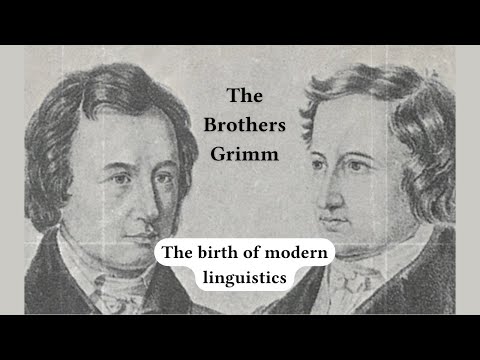
The Brothers Grimm, Jacob and Wilhelm, formed a literary partnership that would change the face of children's literature forever. Together, they collected and published folk tales from around Germany, creating a unique and captivating collection of stories. Their partnership was built on a shared love of language, literature, and culture. The brothers' work was influenced by the Romantic movement, which emphasized the importance of emotion, imagination, and individualism. Their collection of fairy tales, Grimm's Fairy Tales, has become a classic of world literature. The brothers' work also had an impact on the development of literary theory.
🌐 The Linguistic Legacy of Jacob Grimm
Jacob Grimm's linguistic legacy is still felt today, with his work on the German language and its dialects remaining an important area of study. His book, Deutsche Grammatik, is considered a foundational text in the field of historical linguistics. Grimm's work on language and linguistics has had a lasting impact on our understanding of the Indo-European languages. His theories on language and culture have influenced scholars such as Ferdinand de Saussure and Noam Chomsky. Grimm's work has also been influential in the development of sociolinguistics.
📝 Collecting and Publishing Folk Tales
Jacob Grimm and his brother Wilhelm spent years collecting and publishing folk tales from around Germany. Their collection, Grimm's Fairy Tales, includes classics such as Cinderella, Snow White, and Hansel and Gretel. The brothers' method of collecting tales involved traveling throughout Germany, talking to peasants and villagers, and recording their stories. This approach helped to preserve the oral tradition of storytelling and ensured that the tales were passed down to future generations. The brothers' work has had a significant impact on the development of folklore studies.
🔍 The Impact of Grimm's Fairy Tales on Literature
Grimm's fairy tales have had a profound impact on literature, influencing authors such as Charles Dickens and J.R.R. Tolkien. The tales have been translated into numerous languages and have become an integral part of world literature. The stories have also been adapted into countless films, plays, and operas. The influence of Grimm's fairy tales can be seen in the work of authors such as Roald Dahl and Philip Pullman. The tales have also been used in educational settings to teach children about morality and ethics.
📚 The Historical Context of Grimm's Work
The historical context of Grimm's work is essential to understanding the significance of his fairy tales. The brothers were writing during a time of great social and cultural change in Germany, and their tales reflect the folk culture of the time. The stories often feature themes of poverty, inequality, and social justice. The brothers' work was also influenced by the Enlightenment values of reason and rationality. The historical context of Grimm's work has been studied by scholars such as Eric Hobsbawm and Perry Anderson.
🌍 The Global Reach of Grimm's Fairy Tales
Grimm's fairy tales have had a global reach, with translations and adaptations appearing in countless languages and cultures. The tales have become an integral part of popular culture, with references to the stories appearing in everything from advertising to music. The global reach of Grimm's fairy tales is a testament to the power of storytelling and the enduring appeal of the brothers' work. The tales have been used in cross-cultural studies to explore the similarities and differences between cultures. The global reach of Grimm's fairy tales has also been influenced by globalization and the digital age.
🤔 Criticisms and Controversies Surrounding Grimm's Work
Despite the enduring popularity of Grimm's fairy tales, the brothers' work has not been without criticism and controversy. Some have argued that the tales are too violent or sexist, while others have criticized the brothers' colonialist attitudes towards the cultures they were studying. The brothers' work has also been criticized for its lack of diversity and representation. However, the brothers' work has also been defended by scholars such as Marina Warner and Jack Zipes.
📊 The Enduring Popularity of Grimm's Fairy Tales
The enduring popularity of Grimm's fairy tales is a testament to the power of storytelling and the timeless appeal of the brothers' work. The tales have been passed down from generation to generation, and continue to captivate audiences around the world. The brothers' work has had a significant impact on the development of children's literature and has influenced authors such as J.K. Rowling and Neil Gaiman. The tales have also been used in therapy and education to help children develop emotional intelligence and social skills.
📚 Jacob Grimm's Legacy in Modern Times
Jacob Grimm's legacy in modern times is complex and multifaceted. While his fairy tales continue to delight audiences around the world, his work has also been criticized for its problematic elements. However, the brothers' contributions to the field of linguistics and folklore are undeniable, and their work continues to influence scholars and authors today. Grimm's legacy has been studied by scholars such as Claude Lévi-Strauss and Roland Barthes.
🌟 The Cultural Significance of Grimm's Fairy Tales
The cultural significance of Grimm's fairy tales cannot be overstated. The tales have become an integral part of popular culture, with references to the stories appearing in everything from advertising to music. The tales have also been used in education to teach children about morality and ethics. The cultural significance of Grimm's fairy tales has been studied by scholars such as Umberto Eco and Jean Baudrillard.
Key Facts
- Year
- 1785
- Origin
- Hanau, Germany
- Category
- History, Literature, Linguistics
- Type
- Person
Frequently Asked Questions
What is Jacob Grimm's most famous work?
Jacob Grimm's most famous work is his collection of fairy tales, Grimm's Fairy Tales, which he published with his brother Wilhelm. The collection includes classics such as Cinderella, Snow White, and Hansel and Gretel. The tales have become an integral part of world literature and continue to delight audiences around the world.
What was Jacob Grimm's contribution to the field of linguistics?
Jacob Grimm's contribution to the field of linguistics was significant. He is considered one of the founders of the field of historical linguistics, and his work on the German language and its dialects remains an important area of study. His book, Deutsche Grammatik, is considered a foundational text in the field of historical linguistics.
How have Grimm's fairy tales been adapted and interpreted over time?
Grimm's fairy tales have been adapted and interpreted in countless ways over time. The tales have been translated into numerous languages and have been adapted into films, plays, and operas. The stories have also been used in education to teach children about morality and ethics. The tales have been interpreted in many different ways, with some seeing them as social commentary and others as fantasy or escapism.
What is the cultural significance of Grimm's fairy tales?
The cultural significance of Grimm's fairy tales is immense. The tales have become an integral part of popular culture, with references to the stories appearing in everything from advertising to music. The tales have also been used in education to teach children about morality and ethics. The cultural significance of Grimm's fairy tales has been studied by scholars such as Umberto Eco and Jean Baudrillard.
How have Grimm's fairy tales influenced other authors and genres?
Grimm's fairy tales have had a significant influence on other authors and genres. The tales have influenced the development of fantasy and science fiction genres, and authors such as Neil Gaiman and Patrick Rothfuss have cited Grimm's fairy tales as an influence on their work. The tales have also been used in creative writing workshops to help authors develop their storytelling skills.
What is the historical context of Grimm's work?
The historical context of Grimm's work is essential to understanding the significance of his fairy tales. The brothers were writing during a time of great social and cultural change in Germany, and their tales reflect the folk culture of the time. The stories often feature themes of poverty, inequality, and social justice. The brothers' work was also influenced by the Enlightenment values of reason and rationality.
How have Grimm's fairy tales been criticized and contested over time?
Grimm's fairy tales have been criticized and contested over time for their problematic elements. Some have argued that the tales are too violent or sexist, while others have criticized the brothers' colonialist attitudes towards the cultures they were studying. However, the brothers' work has also been defended by scholars such as Marina Warner and Jack Zipes.