
Contents
Overview
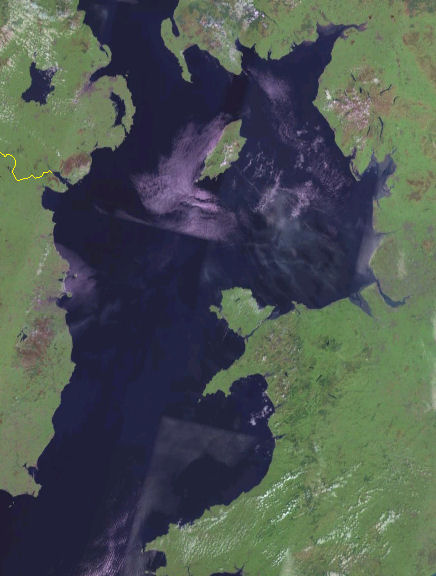
The geological genesis of the Irish Sea is intrinsically linked to the tectonic forces that shaped the North Atlantic region, with its basin forming during the Mesozoic era and further modified by glacial periods. Historically, it has served as a conduit for migration, trade, and conflict between the peoples of Ireland and Great Britain. Early maritime cultures navigated its waters, establishing trade routes that predated recorded history. The Viking Age saw significant Norse activity in the Irish Sea, with settlements and influence extending across the Isle of Man and the western coasts of Britain and Ireland, leaving a lasting imprint on the region's culture and place names. Later, it became a critical theatre for naval power during periods of English and British expansion, with control of its shipping lanes a strategic imperative for maintaining dominion over Ireland. The development of steamships in the 19th century transformed its role, enabling faster and more reliable passenger and cargo transport, solidifying its status as a vital economic corridor.
⚙️ How It Works
The Irish Sea functions as a complex marine ecosystem and a critical transit zone. Its hydrography is influenced by tidal streams, particularly strong in areas like St George's Channel, which can generate significant tidal power potential. The sea's depth varies, averaging around 60 meters (200 feet) but reaching over 150 meters (500 feet) in the north. Its waters are relatively shallow compared to the open Atlantic Ocean, leading to a more dynamic response to weather systems, often resulting in rough seas. The sea floor comprises a mix of sand, gravel, and mud, supporting diverse marine life crucial for the fishing industry. Its strategic location means it's a heavily trafficked area for ferries, cargo ships, and increasingly, for the installation of offshore wind farms and nuclear power plants.
📊 Key Facts & Numbers
The Irish Sea spans approximately 46,007 square kilometers (17,763 square miles), making it a substantial body of water. Annual maritime traffic across its expanse exceeds 12 million passengers and 17 million tonnes of traded goods, underscoring its economic significance. The fishing industry within the Irish Sea generates an estimated £100 million annually, though this figure fluctuates based on quotas and stock health. Offshore wind farms in the region collectively produce over 2 gigawatts (GW) of power, with ambitious plans to expand this capacity by an additional 5 GW by 2030. The Isle of Man, a significant island within the sea, has a population of approximately 85,000 people. The sea's average depth is around 60 meters (200 feet), with its deepest point reaching approximately 170 meters (560 feet). The coastline bordering the Irish Sea stretches for thousands of kilometers, encompassing major ports like Liverpool, Belfast, and Dublin Port.
👥 Key People & Organizations
Key organizations and individuals have shaped the understanding and utilization of the Irish Sea. Historically, figures like Cnut the Great exerted influence over its maritime routes. In modern times, the Maritime and Coastguard Agency (MCA) in the UK and the Irish Maritime Administration play crucial roles in ensuring safety and regulating traffic. The Isle of Man Government manages its territorial waters and has a vested interest in the sea's resources. Environmental organizations such as the Royal Society for the Protection of Birds (RSPB) and the Wildlife Trusts advocate for marine conservation within its waters, often clashing with industrial interests. Major shipping companies like Stena Line and P&O Ferries operate extensive routes across the sea, while energy giants such as Orsted and RWE are at the forefront of developing offshore wind power projects. The National Oceanography Centre conducts vital research into the sea's physical and biological processes.
🌍 Cultural Impact & Influence
The Irish Sea is steeped in cultural resonance, appearing in folklore, literature, and art. Legends of mythical islands and sea creatures are woven into the maritime heritage of Ireland and Wales. The sea has been a backdrop for numerous historical events, from ancient trade to modern naval exercises, influencing the identities of coastal communities. Its waters have inspired poets and writers, with its moods and mysteries frequently depicted in works exploring themes of separation, connection, and the power of nature. The annual Isle of Man TT motorcycle race, while land-based, draws global attention to the island situated within the sea, indirectly highlighting its geographical context. The distinct cultural identities of the Manx people and the coastal communities of North Wales are intrinsically linked to their relationship with the Irish Sea.
⚡ Current State & Latest Developments
The Irish Sea is currently a focal point for significant renewable energy development, particularly offshore wind. Projects like the East Anglia ONE wind farm (though technically on the North Sea, it represents the scale of ambition) and numerous planned developments in the Celtic Sea and off the coast of North Wales signal a major shift towards decarbonization. Shipping traffic continues to be robust, with ongoing investments in port infrastructure and ferry services, including the introduction of larger, more efficient vessels. Concerns about marine pollution, including plastic waste and the impact of shipping emissions, remain a pressing issue, driving stricter regulations and calls for greater environmental stewardship from bodies like the European Environment Agency. Research into the impact of climate change on marine ecosystems within the Irish Sea is also intensifying, with scientists from institutions like University College Dublin monitoring changes in sea temperature and biodiversity.
🤔 Controversies & Debates
The primary controversies surrounding the Irish Sea revolve around the balance between economic development and environmental protection. The expansion of offshore wind farms, while crucial for meeting climate targets, faces opposition from some fishing communities concerned about habitat disruption and access to fishing grounds. Similarly, the potential for increased shipping traffic raises concerns about oil spills and noise pollution affecting marine mammals like harbour porpoises and bottlenose dolphins. Debates also persist regarding the management of fish stocks, with accusations of overfishing and calls for more sustainable practices from groups like the Marine Conservation Society. The historical legacy of industrial pollution from coastal towns and former military bases also presents ongoing challenges for remediation and ecosystem recovery.
🔮 Future Outlook & Predictions
The future of the Irish Sea is likely to be defined by a continued push towards renewable energy, particularly offshore wind and potentially tidal power from areas like St George's Channel. Advances in marine technology may lead to more efficient shipping and exploration of new marine resources, though with increased scrutiny on environmental impact. The development of 'blue economy' initiatives, focusing on sustainable marine industries, is expected to grow, creating new economic opportunities for coastal regions. International cooperation between the United Kingdom and the Republic of Ireland will be crucial for managing shared resources and addressing transboundary environmental issues, such as pollution and migratory species protection. The potential for increased tourism focused on marine wildlife and coastal heritage also presents a growing sector.
💡 Practical Applications
The Irish Sea serves as a critical conduit for trade and transport, with major ferry routes connecting Holyhead in Wales to Dublin and Dún Laoghaire in Ireland, and Belfast to Cairnryan in Scotland. It is a significant fishing ground, supporting commercial fisheries for species like cod, mackerel, and shellfish. The sea is also a major hub for offshore energy generation, with numerous wind farms contributing to the United Kingdom's and Ireland's renewable energy targets. Its waters are utilized for scientific research, with National Oceanography Centre vessels regularly conducting studies o
Key Facts
- Category
- nature
- Type
- topic