
Contents
Overview
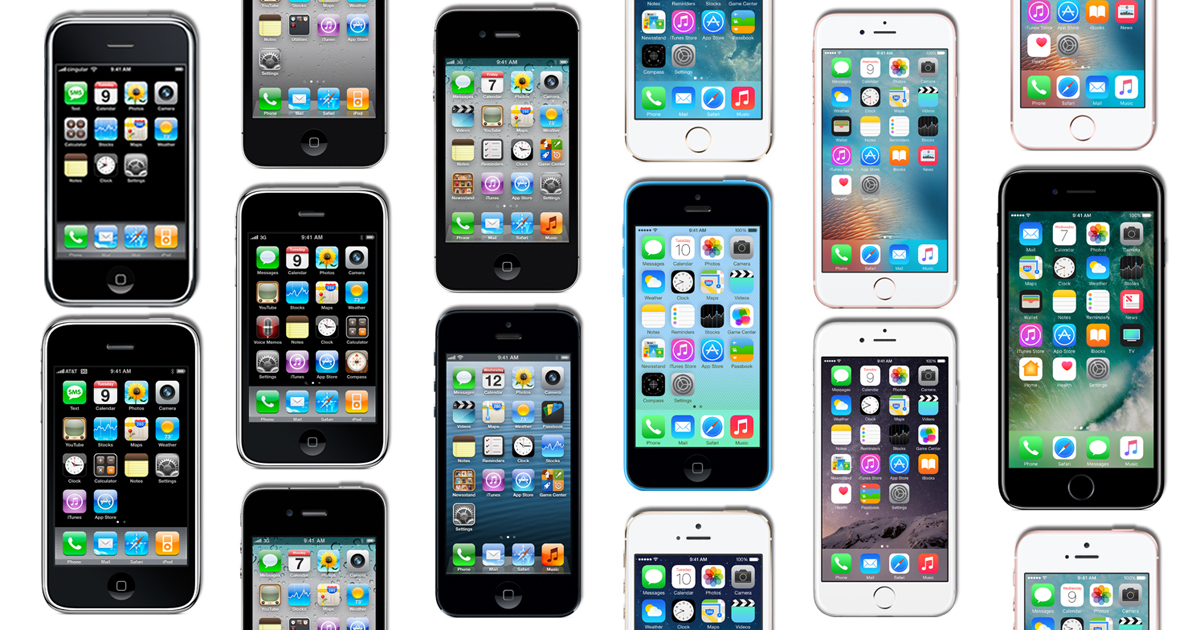
The iPhone revolution began on January 9, 2007, when Steve Jobs, co-founder and CEO of Apple, unveiled the first iPhone at the Macworld conference in San Francisco. This groundbreaking device combined a mobile phone, an iPod, and an internet communications device into one product, featuring a multi-touch interface, a 3.5-inch touchscreen display, and a 2-megapixel camera. As noted by tech journalist Walt Mossberg, the iPhone's impact was immediate, with many considering it a game-changer in the tech industry. Companies like Google, with its Android operating system, and Samsung, with its Galaxy series, soon followed suit, creating a competitive market that drove innovation and growth.
🔍 How It Works
The iPhone's success can be attributed to its user-friendly interface, app store, and seamless integration with other Apple devices, such as Macs and iPads. The App Store, launched in 2008, allowed developers to create and distribute third-party apps, which quickly became a key factor in the iPhone's popularity. As of 2022, the App Store boasts over 2 million apps, with popular ones like Instagram, Facebook, and Twitter, all of which have been influenced by the iPhone's design and functionality. According to a report by Statista, the iPhone's market share has consistently been above 15% since 2010, with a peak of 17.9% in 2020.
🌎 Cultural Impact
The iPhone revolution has had a profound impact on modern society, changing the way we communicate, work, and entertain ourselves. Social media platforms like Facebook, Instagram, and Twitter have become an integral part of our daily lives, with many people relying on their iPhones to stay connected with friends, family, and the world at large. The iPhone has also enabled the growth of the sharing economy, with apps like Uber and Airbnb, which have transformed the way we travel and live. As noted by economist Tyler Cowen, the iPhone has been a key driver of economic growth, with the app economy alone generating over $1 trillion in revenue in 2020.
🔮 Legacy & Future
As the iPhone continues to evolve, with new features like facial recognition, artificial intelligence, and 5G connectivity, its legacy and future remain uncertain. While some critics argue that the iPhone has contributed to social isolation, addiction, and decreased attention span, others see it as a tool for empowerment, creativity, and connection. According to a report by Pew Research Center, 77% of Americans own a smartphone, with the iPhone being one of the most popular models. As the tech industry continues to innovate, with companies like Google, Amazon, and Microsoft investing heavily in AI, AR, and VR, the iPhone's impact will likely be felt for generations to come.
Key Facts
- Year
- 2007
- Origin
- Cupertino, California
- Category
- technology
- Type
- product
Frequently Asked Questions
What was the first iPhone model?
The first iPhone model was the iPhone (2007), also known as the iPhone 2G.
Who designed the iPhone?
The iPhone was designed by Jonathan Ive, former Chief Design Officer at Apple.
What was the impact of the iPhone on the tech industry?
The iPhone revolutionized the tech industry, transforming the smartphone market and influencing the development of mobile apps, social media, and e-commerce.
How many iPhones have been sold worldwide?
As of 2022, over 1.5 billion iPhones have been sold worldwide.
What is the current market value of Apple?
As of 2022, Apple's market value exceeds $2 trillion.