
Contents
Overview
IoT Core refers to the central software and infrastructure that enables the Internet of Things (IoT), a network of physical devices, vehicles, and other items embedded with sensors, software, and connectivity, allowing them to collect and exchange data. Developed by companies like Microsoft, Amazon, and Google, IoT Core platforms provide a foundation for building, managing, and securing IoT applications. With the rise of IoT, companies like Microsoft and Amazon are investing heavily in IoT Core technologies to support the growing demand for connected devices.
🔌 Introduction to IoT Core
IoT Core is a critical component of the Internet of Things (IoT), enabling devices to communicate with each other and with the cloud. Companies like Google and IBM are developing IoT Core platforms that provide a range of services, including device management, data processing, and analytics. For example, Microsoft's Azure IoT Hub and Amazon's AWS IoT Core are two popular IoT Core platforms that support the development of IoT applications.
📈 How IoT Core Works
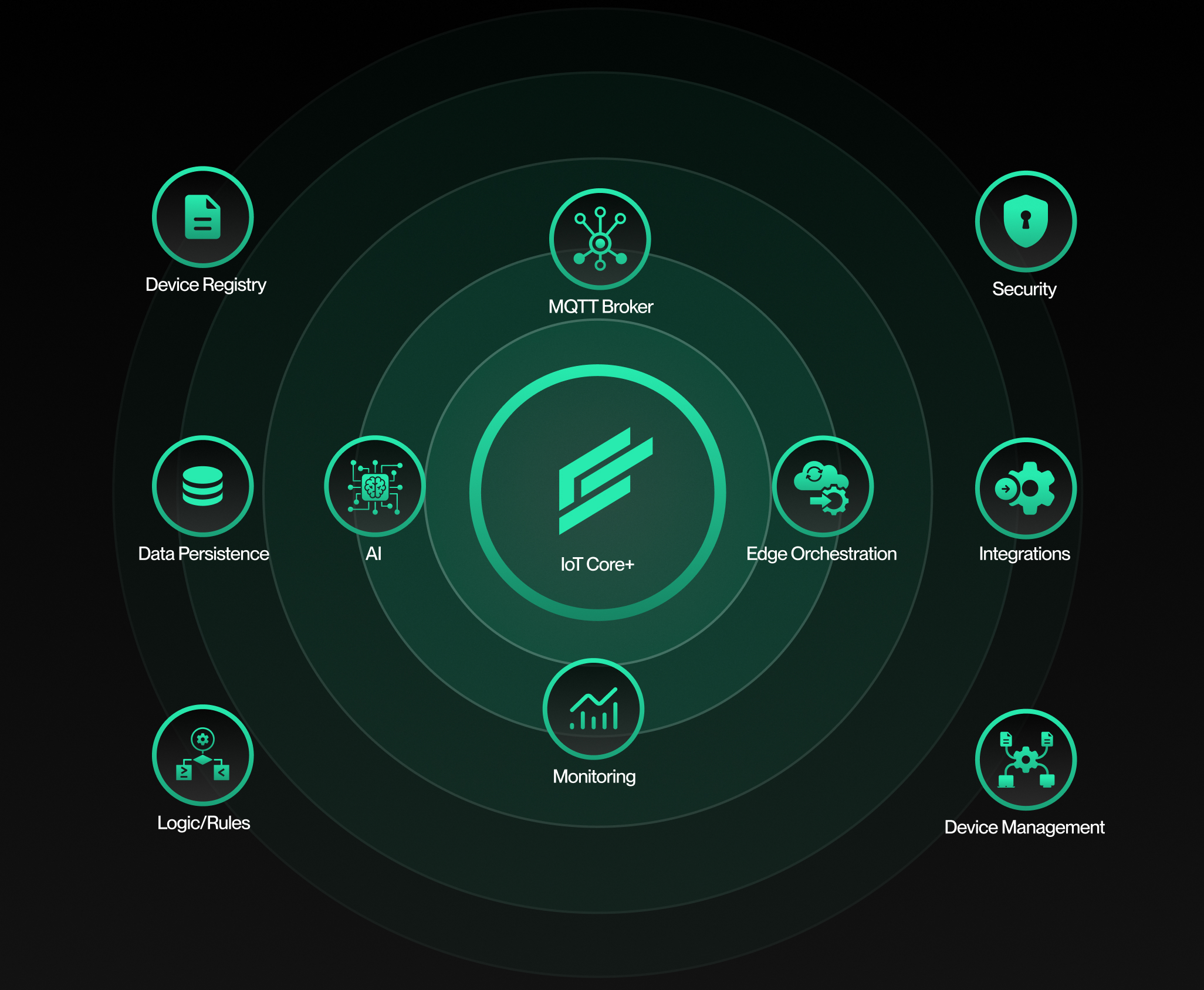
The IoT Core architecture typically consists of several layers, including device management, data ingestion, and analytics. This architecture is supported by companies like Cisco and Intel, which provide the necessary infrastructure for IoT Core platforms to function. For instance, Cisco's IoT networking solutions and Intel's IoT-enabled processors are designed to work seamlessly with IoT Core platforms.
🌐 IoT Core Platforms and Providers
Several companies are providing IoT Core platforms and services, including Microsoft, Amazon, and Google. These platforms offer a range of features, including device management, data processing, and analytics. For example, Amazon's AWS IoT Core provides a managed cloud service that allows connected devices to interact with the cloud and other devices. Similarly, Google's Cloud IoT Core provides a fully managed service that securely connects, manages, and analyzes IoT data.
🔒 Security and Challenges in IoT Core
Security is a major concern in IoT Core, as connected devices can be vulnerable to hacking and other cyber threats. Companies like Symantec and Mcafee are providing security solutions for IoT Core platforms, including encryption, authentication, and intrusion detection. For instance, Symantec's IoT security solutions provide advanced threat protection for IoT devices, while Mcafee's IoT security platform provides a comprehensive security solution for IoT Core platforms.
Key Facts
- Year
- 2018
- Origin
- United States
- Category
- technology
- Type
- technology
Frequently Asked Questions
What is IoT Core?
IoT Core refers to the central software and infrastructure that enables the Internet of Things (IoT). It provides a foundation for building, managing, and securing IoT applications. Companies like Microsoft and Amazon are investing heavily in IoT Core technologies to support the growing demand for connected devices.
How does IoT Core work?
IoT Core platforms provide a range of services, including device management, data processing, and analytics. They enable devices to communicate with each other and with the cloud, and provide a secure and scalable infrastructure for IoT applications. For example, Google's Cloud IoT Core provides a fully managed service that securely connects, manages, and analyzes IoT data.
What are the benefits of IoT Core?
The benefits of IoT Core include improved efficiency, increased productivity, and enhanced customer experience. It enables companies to collect and analyze data from connected devices, and to use this data to make informed decisions. For instance, Cisco's IoT networking solutions and Intel's IoT-enabled processors are designed to work seamlessly with IoT Core platforms to provide a range of benefits.
What are the challenges of IoT Core?
The challenges of IoT Core include security, scalability, and interoperability. As the number of connected devices increases, the risk of cyber threats and data breaches also increases. Companies like Symantec and Mcafee are providing security solutions for IoT Core platforms to address these challenges.