
Contents
- 🌍 What is International Influence?
- 🗺️ Mapping Spheres of Influence (SOI)
- 💡 Key Actors & Their Strategies
- 📈 Measuring Influence: Vibe Scores & Metrics
- ⚖️ The Controversy Spectrum
- ⚡ Influence Flows & Propagation
- 🚀 Future Trajectories & Emerging Powers
- 🛠️ Practical Tips for Navigating Global Dynamics
- Frequently Asked Questions
- Related Topics
Overview
International influence refers to the capacity of a state, organization, or even an individual to affect the behavior, decisions, or outcomes of others on a global scale. It's not just about raw military might; it encompasses a complex interplay of cultural appeal, financial clout, and negotiation tactics. Understanding this dynamic is crucial for anyone seeking to comprehend or participate in global affairs, from multinational corporations to aspiring diplomats. The ability to shape international norms and agendas is the ultimate prize in this intricate game.
🗺️ Mapping Spheres of Influence (SOI)
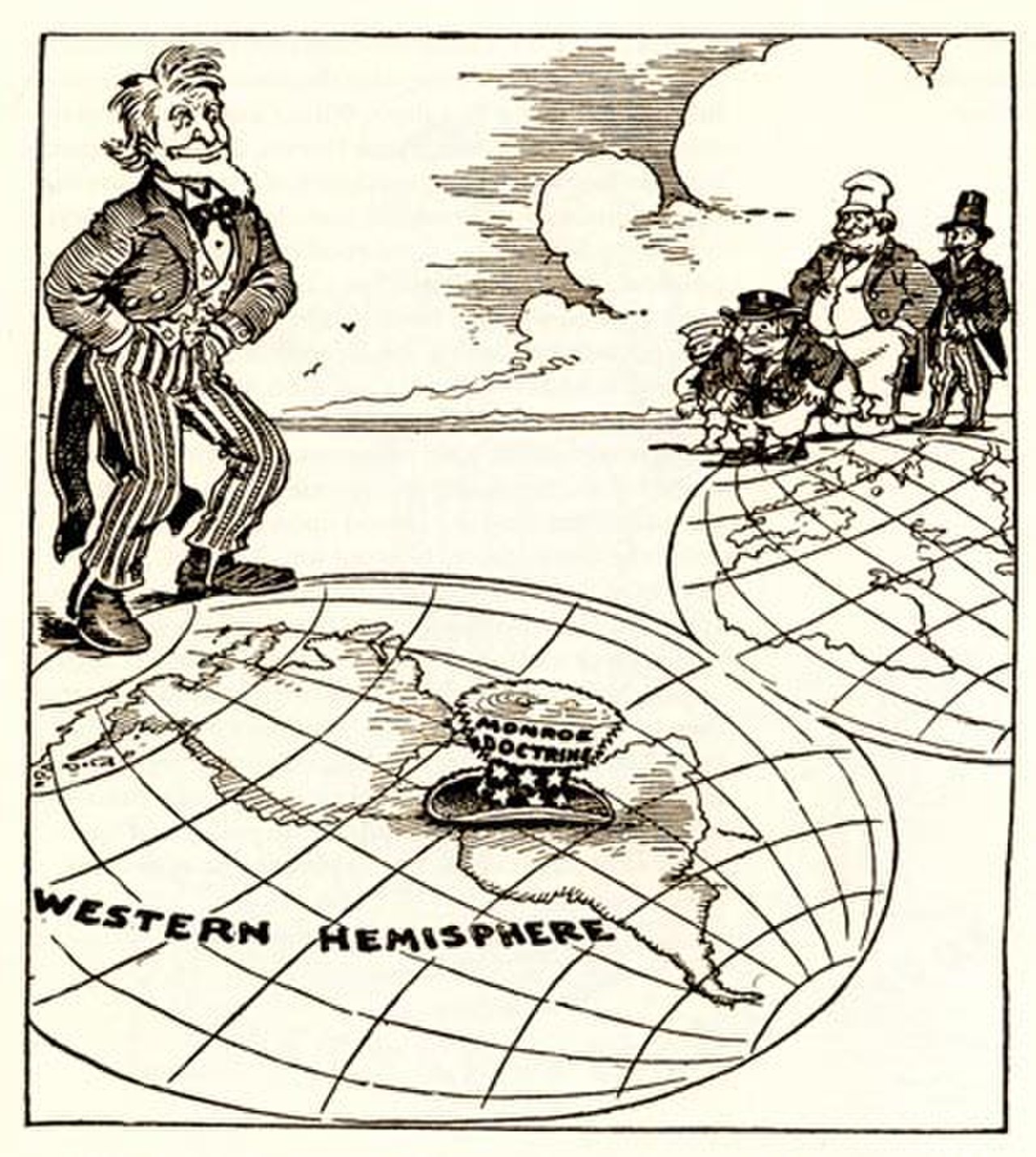
A sphere of influence (SOI) is a conceptual or actual geographic area where a dominant power exercises significant political, economic, or military sway. Historically, these were often carved out through treaties or military conquest, like the European powers' SOIs in China during the 19th century. Today, SOIs are more fluid, often defined by economic interdependence, security alliances, or shared ideological frameworks. Identifying these zones helps map out the current global power structure and predict potential friction points between major players.
💡 Key Actors & Their Strategies
Key actors in international influence range from established superpowers like the USA and PRC to rising regional powers and international organizations like the UN. Their strategies are diverse: the US often relies on a combination of military alliances and economic aid, while China increasingly employs BRI investments and cultural outreach. Non-state actors, including major tech companies and influential NGOs, also wield considerable influence through information dissemination and agenda-setting.
📈 Measuring Influence: Vibe Scores & Metrics
Quantifying international influence is notoriously difficult, but Vibepedia employs cultural energy metrics to offer a unique perspective. These scores, ranging from 0-100, attempt to capture the perceived cultural resonance and persuasive power of entities. Beyond Vibes, traditional metrics include economic output, defense budgets, and embassy networks. Analyzing these alongside qualitative factors like media narratives provides a more comprehensive picture of a nation's global standing.
⚖️ The Controversy Spectrum
The concept of international influence, particularly SOIs, sits on a high contestedness level. Critics argue that SOIs are inherently imperialistic, leading to exploitation and the suppression of local autonomy, echoing historical grievances. Proponents, however, often frame them as necessary for regional stability, arguing that a dominant power can provide security and economic development that smaller nations might struggle to achieve alone. The debate often hinges on whether influence is coercive or consensual.
⚡ Influence Flows & Propagation
Influence propagation describes how ideas, policies, and power radiate outwards from a central source. This can occur through formal channels like global agreements and trade deals, or informally via media diffusion, cultural exports (think K-Pop's global reach), and the actions of diaspora communities. Understanding these flows helps identify how a nation's domestic policies or cultural trends can have ripple effects far beyond its borders, shaping global discourse and behavior.
🚀 Future Trajectories & Emerging Powers
The future of international influence is a dynamic landscape. While traditional powers remain significant, the rise of new economic and technological hubs, particularly in Asia and Africa, suggests a potential diffusion of power. advances in AI and cyber capabilities are creating new vectors for influence, while climate change and global health crises necessitate unprecedented international cooperation, potentially altering traditional power dynamics. The winners will be those who can adapt to these evolving forms of power and collaboration.
Key Facts
- Year
- 2023
- Origin
- Vibepedia
- Category
- Geopolitics & International Relations
- Type
- Concept
Frequently Asked Questions
How do I identify a country's sphere of influence?
Look for patterns of economic investment, security agreements, and diplomatic alignment. Countries often signal their SOIs through major infrastructure projects (like China's BRI), military basing agreements, and consistent voting patterns in international forums. Also, observe which countries consistently defer to another's interests in regional matters. Vibepedia's knowledge graph can help visualize these connections.
Is soft power more effective than hard power?
Effectiveness depends heavily on the context and the specific goal. Cultural appeal and financial aid can foster long-term goodwill and voluntary alignment, often proving more sustainable. Military force and economic coercion can achieve immediate results but often breed resentment and instability. The most successful actors often employ a blend of both, known as strategic integration of power types.
Can non-state actors truly wield international influence?
Absolutely. Major multinational corporations control vast economic resources that can rival national budgets. Influential NGOs and advocacy groups can shape global agendas on issues like climate change or human rights through lobbying and public awareness campaigns. Tech giants, through their control of information platforms, exert significant influence over public discourse worldwide. Their impact is undeniable, even without traditional state apparatus.
How does Vibepedia's Vibe Score relate to traditional influence metrics?
Vibe Scores are a complementary metric, focusing on perceived appeal and energetic influence rather than purely material power. While GDP or military might represent tangible power, Vibe Scores attempt to capture the intangible 'buzz' or attractiveness that can sway opinions and inspire action. A high Vibe Score can amplify traditional influence, making diplomatic or economic overtures more palatable and effective.
What are the ethical considerations of international influence?
The primary ethical concern revolves around national autonomy and the potential for undue interference. When influence becomes coercion or manipulation, it undermines the principle of self-determination for nations and peoples. Questions arise about transparency, accountability, and the equitable distribution of benefits derived from influence. The historical legacy of imperial dominance often informs contemporary debates on these ethical lines.