
Contents
- 🎯 What is an Interest Group Caucus?
- 🏛️ Who Uses Interest Group Caucuses?
- 📍 Where Do Caucuses Happen?
- 🗓️ When Are Caucuses Most Active?
- 🤝 How to Join or Participate
- ⚖️ Caucuses vs. Other Political Structures
- 📈 Vibe Score & Controversy Spectrum
- 💡 Practical Tips for Engagement
- Frequently Asked Questions
- Related Topics
Overview
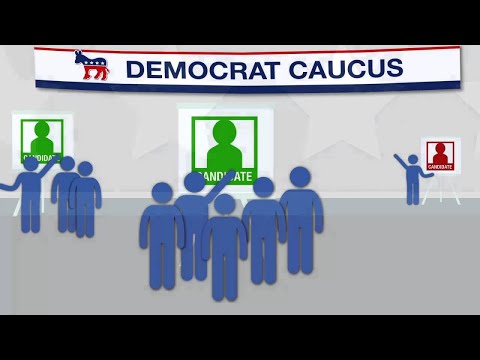
An Interest Group Caucus is a formal or informal gathering of individuals who share a common interest or goal, typically within a larger organization, political party, or legislative body. These groups coalesce to exert influence, coordinate strategies, and advocate for their specific agenda. Think of them as specialized sub-committees or affinity groups that amplify a particular voice within a broader political or social context. They are the engine rooms where policy ideas are refined and political pressure is strategically applied, often operating behind the scenes to shape outcomes. Their existence is predicated on the idea that collective action is more potent than individual lobbying efforts.
🏛️ Who Uses Interest Group Caucuses?
Interest group caucuses are utilized by a diverse range of actors. In legislative bodies, they form around shared policy interests (e.g., the Congressional Black Caucus, the Tea Party Caucus) or demographic affiliations. Within political parties, they can represent factions or ideological wings (e.g., progressive caucuses within the Democratic Party). Beyond formal politics, professional associations, labor unions, and even social movements employ caucus-like structures to mobilize members and advance their objectives. Essentially, anyone seeking to consolidate power and influence around a specific shared interest will find value in a caucus.
📍 Where Do Caucuses Happen?
The physical and virtual locations for caucuses are as varied as their members. In government, caucuses often meet in designated committee rooms, legislative offices, or private clubs near the seat of power. For political parties, meetings might occur at national conventions, state party headquarters, or local party gatherings. Increasingly, caucuses are leveraging digital platforms for coordination, communication, and even virtual meetings, especially for geographically dispersed members or during periods of limited physical access. The key is accessibility and a conducive environment for strategic discussion and decision-making.
🗓️ When Are Caucuses Most Active?
While caucuses can be active year-round, their intensity often correlates with key political cycles. During election seasons, caucuses are crucial for candidate endorsement, fundraising, and get-out-the-vote efforts. Leading up to legislative sessions or major policy debates, caucuses ramp up their lobbying and advocacy work to influence upcoming decisions. Post-election periods can also see caucuses re-evaluating strategies and leadership. Their activity is a barometer for the political climate, surging when there are significant opportunities or threats to their shared interests.
🤝 How to Join or Participate
Joining or participating in an interest group caucus typically requires alignment with the group's core mission and often involves membership in the parent organization. For legislative caucuses, membership is usually open to elected officials who share the group's focus. For party caucuses, it might involve being a registered member of that party. Some caucuses have formal application processes, while others are more informal, requiring an introduction or demonstrated commitment. The first step is always identifying the relevant caucus and understanding its membership criteria and engagement protocols.
⚖️ Caucuses vs. Other Political Structures
Caucuses differ significantly from broader political parties or formal lobbying firms. While parties aim for broad electoral success, caucuses focus on specific issues or constituencies within or alongside the party. Lobbying firms are typically paid professional entities, whereas caucuses are often composed of members acting on their own behalf or on behalf of their constituents. Unlike think tanks that primarily produce research, caucuses are action-oriented, focused on direct advocacy and political maneuvering. They represent a more organic, membership-driven form of collective action compared to these other structures.
📈 Vibe Score & Controversy Spectrum
The Vibe Score for interest group caucuses generally hovers around 70-85, reflecting their significant, albeit often behind-the-scenes, cultural energy and impact on policy. The Controversy Spectrum is typically high, ranging from 7 to 9 out of 10. Debates often center on issues of fairness, representation, and the potential for caucuses to create undue influence or factionalism within larger bodies. Critics argue they can prioritize narrow interests over the public good, while proponents emphasize their role in ensuring diverse voices are heard and represented in the political process.
💡 Practical Tips for Engagement
When engaging with an interest group caucus, clarity of purpose is paramount. Understand precisely what the caucus aims to achieve and how your involvement can contribute. Research the group's history, key figures, and past successes or failures. Be prepared to articulate your position concisely and persuasively. Networking is vital; build relationships with existing members and understand the internal dynamics. Finally, be patient and persistent; influencing policy through collective action is a long-term endeavor that requires sustained effort and strategic engagement.
Key Facts
- Year
- Circa 18th Century (formalized legislative caucuses)
- Origin
- Evolved from informal political factions and parliamentary groups, with formalized legislative caucuses gaining prominence in the United States during the late 18th and 19th centuries.
- Category
- Political Science / Sociology
- Type
- Organizational Structure
Frequently Asked Questions
Are all caucuses formal organizations?
Not necessarily. While many caucuses have formal structures, leadership, and membership rules, others can be quite informal, emerging organically around shared interests or during specific political moments. The level of formality often depends on the context, such as whether it's within a legislative body, a political party, or a broader social movement. Regardless of formality, their purpose remains the same: to consolidate influence and advance a common agenda.
How do caucuses differ from PACs?
Political Action Committees (PACs) are primarily fundraising and spending vehicles designed to support or oppose candidates and ballot measures, often by pooling campaign contributions. Caucuses, on the other hand, are groups of individuals who gather to coordinate strategy, advocate for policy, and exert influence directly within a political or organizational structure. While caucuses might encourage their members to donate to PACs or engage in lobbying, their core function is strategic coordination rather than direct financial campaign activity.
Can an individual be part of multiple caucuses?
Yes, absolutely. It's common for individuals, especially elected officials or active party members, to belong to multiple caucuses that align with different aspects of their interests or constituencies. For instance, a legislator might be part of a caucus focused on environmental policy, another on small business issues, and perhaps a third based on geographic representation. This cross-membership can create complex networks of influence and advocacy.
What is the primary goal of an interest group caucus?
The primary goal is to amplify the collective voice and influence of its members on a specific issue, policy area, or constituency. This is achieved through coordinated action, such as lobbying, public awareness campaigns, legislative strategy, and internal political maneuvering. By banding together, members aim to achieve outcomes that would be difficult or impossible to attain individually.
How do caucuses impact legislation?
Caucuses significantly impact legislation by shaping policy debates, mobilizing votes, and influencing the legislative agenda. They can introduce amendments, rally support for or against bills, and provide crucial information to lawmakers. Their coordinated efforts can sway undecided legislators and ensure that the concerns of their specific interest group are considered during the lawmaking process. Some caucuses even draft model legislation for their members to introduce.