
Contents
Overview
The genesis of the Industrial Revolution in Britain wasn't a singular event but a confluence of factors that began to coalesce in the mid-18th century. Preceded by the Second Agricultural Revolution, which increased food production and freed up labor, Britain possessed a unique combination of abundant natural resources like coal and iron ore, a stable political climate, a growing colonial empire providing raw materials and markets, and a burgeoning entrepreneurial spirit. Key precursors included innovations in textile manufacturing and early experiments with steam power, setting the stage for a cascade of inventions that would redefine production.
⚙️ How It Worked: The Engines of Change
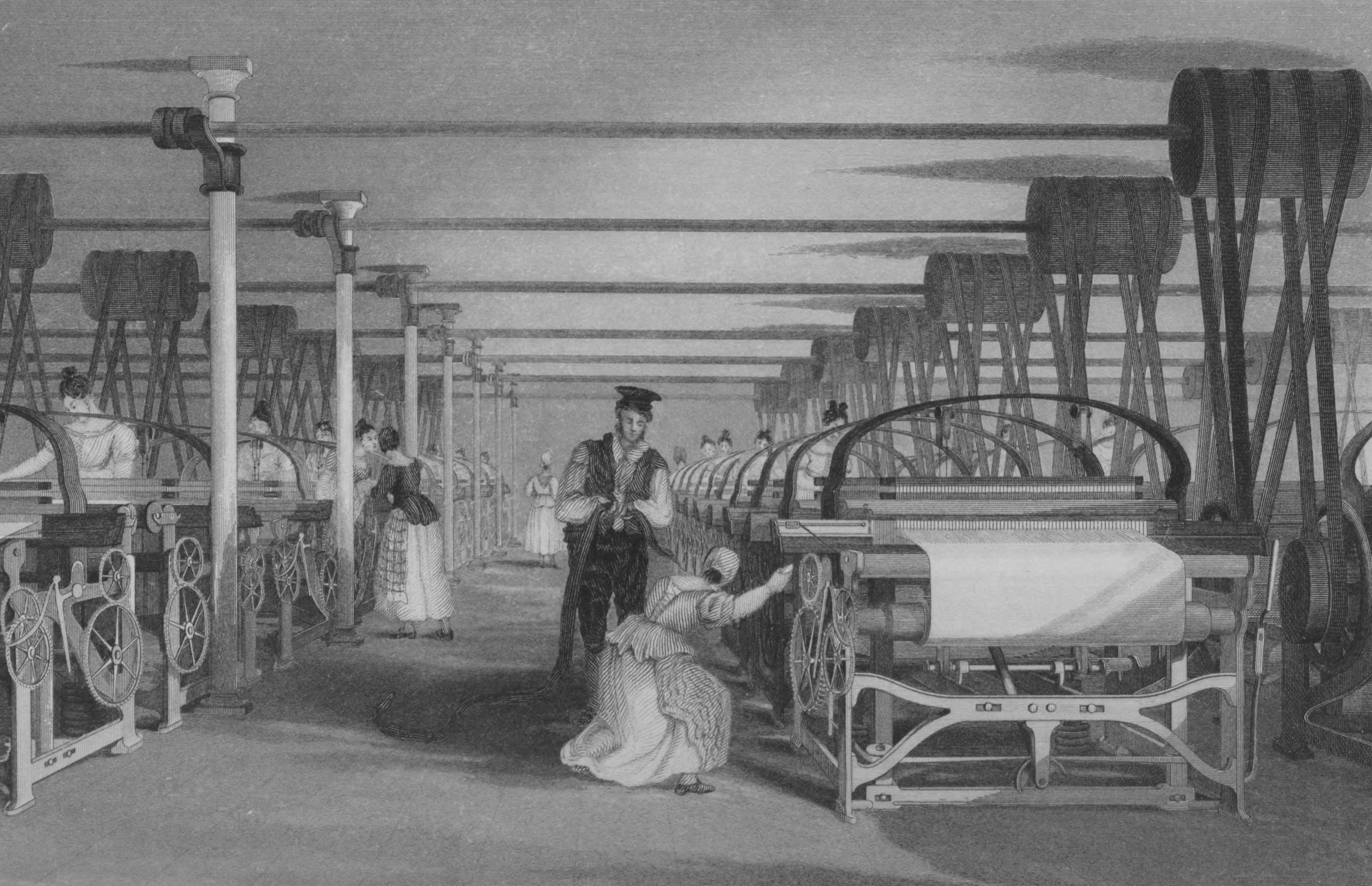
At its heart, the British Industrial Revolution was powered by relentless innovation in machinery and energy. The development of the Watt steam engine provided a reliable and mobile power source that could drive factories far from water sources. In textiles, inventions like James Hargreaves' spinning jenny and Edmund Cartwright's power loom dramatically accelerated yarn and cloth production. The Bessemer process for mass-producing steel, though developed later in the century, built upon the iron-making advancements of this era, enabling the construction of more robust machinery, bridges, and railways. This mechanization fundamentally altered the scale and speed of production, moving it from cottages to centralized factories.
📊 Key Facts & Figures of the Transformation
The quantitative impact of the Industrial Revolution in Britain is staggering. Between 1750 and 1850, Britain's population nearly tripled, from approximately 7 million to over 20 million, a direct consequence of increased food supply and, later, improved sanitation and medical understanding, though initially offset by high mortality in industrial centers. Coal production soared from around 2.5 million tons in 1700 to over 60 million tons by 1850, fueling steam engines and iron furnaces. Cotton textile production increased exponentially; by 1830, Britain was exporting over 400 million yards of cotton cloth annually. The output of iron also saw a dramatic rise, with production increasing by a factor of nearly 100 between 1720 and 1840. This surge in production and population growth fundamentally altered Britain's economic landscape, making it the 'workshop of the world'.
👥 Architects of the New Age
A pantheon of inventors, entrepreneurs, and industrialists drove this revolution. James Watt, alongside his business partner Matthew Boulton, not only improved the steam engine but also established a successful manufacturing enterprise in Soho Manufactory. Richard Arkwright, often called the father of the factory system, pioneered water-powered spinning mills. George Stephenson and his son Robert Stephenson were instrumental in developing early railways, with their Locomotion No. 1 locomotive famously pulling the first train on the Stockton and Darlington Railway in 1825. Visionary industrialists like Josiah Wedgwood applied new production methods to ceramics, creating a mass market for his wares. These figures, driven by innovation and profit, reshaped Britain's industrial capacity.
🌍 Britain's Global Footprint
Britain's industrial might propelled it to unprecedented global dominance. The vast expansion of textile manufacturing, particularly cotton, relied heavily on raw materials imported from colonies like India and the United States, while finished goods were exported worldwide. The development of steamships and railways facilitated global trade and the movement of goods and people, solidifying Britain's position as the world's leading economic and naval power. This industrial dominance fueled the expansion of the British Empire, creating a global network of trade and resource extraction that profoundly shaped the 19th century. The technologies and factory models pioneered in Britain were soon emulated, and sometimes contested, by other nations like Germany and the United States.
⚡ The Enduring Legacy
The legacy of Britain's Industrial Revolution is indelible, shaping the very fabric of modern existence. It established the factory system as the dominant mode of production, a model that persists globally, albeit with significant technological evolution. The principles of mass production, mechanization, and the use of fossil fuels, particularly coal, became foundational to industrial economies worldwide. Furthermore, the social and political upheavals it triggered, including the rise of the working class, the demand for labor reforms, and the development of new economic theories like socialism and capitalism, continue to resonate in contemporary debates about labor, inequality, and economic justice. The environmental impact, particularly from the widespread burning of coal, also initiated long-term challenges that persist today.
🤔 The Darker Side of Progress
While celebrated for its innovation, the Industrial Revolution in Britain was also a period of immense social cost and hardship. The rapid growth of cities led to overcrowded, unsanitary living conditions, with rampant disease and poverty. Factory work was often grueling, characterized by long hours, dangerous machinery, and low wages, with child labor being a pervasive and exploitative practice. The stark contrast between the wealth of industrialists and the poverty of the working class fueled social unrest and the rise of labor movements and trade unions. The environmental degradation, including widespread air pollution from coal-fired factories and water pollution from industrial waste, began to take a significant toll on the landscape and public health.
🔮 Where Did It Lead?
The Industrial Revolution in Britain didn't simply end; it evolved and spread, giving rise to subsequent industrial phases. The innovations and systems established in this period paved the way for the Second Industrial Revolution in the late 19th century, characterized by advancements in steel, electricity, and mass production techniques pioneered in countries like the United States and Germany. The core principles of industrialization, however, continued to be adopted and adapted globally, leading to the interconnected, technologically driven world we inhabit today. The ongoing challenges of industrial pollution and the search for sustainable energy sources are direct descendants of the choices made during this foundational period.
💡 Practical Innovations
The practical applications born from this era are ubiquitous. The steam engine revolutionized transportation with the advent of railways and steamships, shrinking distances and enabling mass transit. Mechanized looms and spinning machines transformed the textile industry, making clothing more accessible and affordable. Advancements in iron production led to stronger infrastructure, including bridges like Ironbridge, and more durable machinery. The development of machine tools enabled the precise manufacturing of interchangeable parts, a cornerstone of modern mass production. Even the development of banking and finance systems accelerated to support the massive capital investments required by industrial enterprises.
📚 Further Exploration
To truly grasp the seismic impact of Britain's industrial transformation, one must explore the intricate web of its causes and consequences. Und
Key Facts
- Category
- history
- Type
- topic