
Contents
Overview
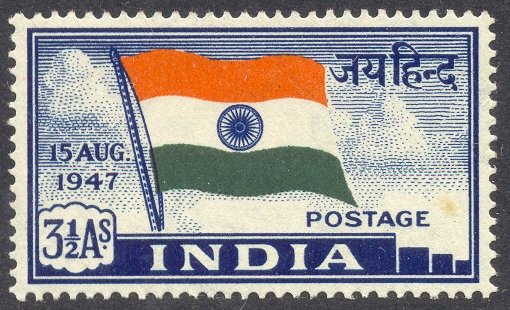
The story of Indian stamps is inextricably linked to the subcontinent's colonial past and its subsequent emergence as an independent nation. While rudimentary postal systems existed for centuries, the modern era began with European powers establishing their own networks. The British East India Company, in particular, developed an extensive postal service to manage its vast territories. The Scinde Dawk was issued in the province of Sindh under the administration of the East India Company. This innovation paved the way for the broader introduction of stamps across India. Following the Sepoy Mutiny of 1857, the British Crown took direct control, and the Indian Postal Service was formally organized, issuing stamps that reflected British imperial authority. The journey towards independence saw stamps become potent tools for nationalist expression, culminating in the first issues of the Republic of India, which proudly proclaimed the nation's sovereignty.
⚙️ How Stamps Are Made and Used
The creation and distribution of Indian stamps are managed by India Post, a government department that operates under the Ministry of Communications. The process begins with thematic selection, often involving public consultation and input from philatelic advisory boards. Designs are then commissioned from artists, who must balance aesthetic appeal with the need to convey specific messages or commemorate events. Once approved, the stamps are printed using advanced intaglio or offset lithography techniques by security printing presses, such as those run by the Security Printing and Minting Corporation of India Limited (SPMCIL). These stamps are then distributed to post offices across the country, where they are affixed to mail and parcels to indicate payment for postal services, a fundamental aspect of the global postal system.
📊 Key Facts & Numbers
The face value of these stamps ranges from a few paise (a subunit of the Indian Rupee) to several hundred rupees, reflecting different postal rates and commemorative purposes. The market for rare Indian stamps is substantial. India Post generates significant revenue not only from domestic postage but also from the sale of collectible stamps to philatelists. The country's postal network is one of the largest in the world.
👥 Key People & Organizations
Several key individuals and organizations have shaped the landscape of Indian philately. Sir Bartle Frere, as the administrator of Sindh, is credited with introducing Asia's first adhesive stamp. The Indian Post Office, established formally and later reorganized under the British Raj, has been the primary issuing authority. Post-independence, the Philatelic Congress of India (PCI), founded in 1970, has played a crucial role in promoting philately and organizing national and international exhibitions. Organizations like the National Philatelic Museum in New Delhi house invaluable collections, preserving the history embedded in these small pieces of paper. Prominent philatelists, such as the late Dr. Anand Prakash, have contributed significantly through their research and collections, influencing the understanding and appreciation of Indian stamps.
🌍 Cultural Impact & Influence
Indian stamps serve as powerful cultural ambassadors, projecting the nation's heritage, achievements, and diversity to the world. They have commemorated everything from the Taj Mahal and the Ajanta Caves to Nobel laureates like Rabindranath Tagore and scientific milestones such as the Chandrayaan-3 lunar mission. Stamps featuring Indian wildlife, like the Bengal tiger and the Indian rhinoceros, have raised awareness for conservation efforts. Furthermore, the act of collecting stamps, or philately, has fostered a sense of national pride and historical engagement among Indians, connecting younger generations to their past. The visual language of stamps has also influenced graphic design and art within India, with many artists drawing inspiration from their intricate designs and thematic content.
⚡ Current State & Latest Developments
In 2024, India Post continues its prolific issuance of new stamps, focusing on contemporary themes and national achievements. Recent issues have highlighted the country's advancements in space exploration, and the rich cultural traditions of various states. There's a growing emphasis on digital integration, with India Post exploring ways to enhance the online purchasing experience for collectors and streamline philatelic services. The rise of online marketplaces and social media platforms has also created new avenues for collectors to connect, trade, and share information about Indian stamps, fostering a more globalized philatelic community. Efforts are also underway to digitize historical stamp archives, making them more accessible for research and public viewing.
🤔 Controversies & Debates
The primary controversy surrounding Indian stamps often revolves around the selection of themes for commemoration. Decisions on which historical figures, events, or cultural aspects to feature can sometimes spark debate, with differing opinions on national priorities and historical representation. For instance, the inclusion or exclusion of certain historical figures has occasionally led to public discussion. Another point of contention can be the perceived commercialization of stamp issuance, where critics argue that the sheer volume of new issues dilutes the commemorative significance and caters more to collector demand than genuine historical tribute. Questions also arise regarding the authenticity and provenance of rare stamps, especially in the secondary market, leading to concerns about forgery and misrepresentation.
🔮 Future Outlook & Predictions
The future of Indian stamps is likely to be shaped by a blend of tradition and technological advancement. While the fundamental role of stamps as postage indicators may diminish with the rise of digital communication and electronic postage, their value as historical artifacts and cultural symbols will endure. India Post is expected to continue leveraging technology to enhance collector engagement, potentially through augmented reality features on stamps or more sophisticated online platforms. There's also a growing interest in sustainable philately, with potential for stamps made from recycled materials or featuring environmental themes. Thematic issuance will likely remain a key strategy, with future stamps potentially focusing on emerging fields like artificial intelligence, renewable energy, and global health initiatives, ensuring stamps remain relevant conduits of national narrative.
💡 Practical Applications
Beyond their primary function in the postal system, Indian stamps have numerous practical applications. They are invaluable tools for historians, sociologists, and cultural researchers, offering tangible evidence of political shifts, social changes, and national priorities over time. For philatelists, stamps are objects of study, collection, and investment, with rare specimens commanding significant value. Educational institutions use stamps to teach children about geography, history, and national identity. Furthermore, the intricate designs of Indian stamps have inspired artists and designers, influencing fashion, textiles, and graphic arts. They also serve as miniature souvenirs, allowing individuals to connect with specific places, events, or cultural elements of India.
Key Facts
- Category
- culture
- Type
- topic