
Contents
Overview
Improvisational theatre, commonly known as 'impro', is a dynamic form of performance where actors create scenes, characters, and dialogue on the spot, without a script. Originating from the works of pioneers like Viola Spolin and Keith Johnstone in the mid-20th century, impro has evolved into a global phenomenon, influencing everything from comedy to serious drama. Its principles emphasize creativity, collaboration, and spontaneity, making it a powerful tool for personal expression and team-building. As audiences seek authentic experiences, the future of impro is poised for growth, challenging traditional theatrical norms and redefining performance art.
🎭 Overview of Impro
🎭 Impro, short for improvisation, is a dynamic form of performance art where artists create spontaneous scenes, dialogues, and narratives without a script. It’s a playground for creativity, often used in theatre, comedy, and even corporate training. The practice encourages participants to think on their feet, embrace failure, and collaborate with others. For those interested in exploring their creative potential, improvisation offers a unique entry point into the world of performance arts, blending entertainment with personal growth.
📍 Location & Access
📍 While impro can be practiced anywhere, many cities have dedicated venues and schools that focus on this art form. In London, for instance, the Royal Court Theatre has a rich history of supporting improvisational theatre, stemming from the teachings of Keith Johnstone. For those seeking local classes or performances, check community boards or websites like Meetup for groups dedicated to improvisation. Most classes are accessible in urban centers, making it easy to find a nearby location.
💰 Pricing & Plans
💰 Pricing for impro classes and performances varies widely. Workshops typically range from $20 to $150, depending on the duration and the instructor's experience. For instance, a weekend intensive might cost around $100, while a single drop-in class could be as low as $20. Performances can range from free community shows to ticketed events costing $10 to $50. Always check the venue's website for the latest pricing and availability. If you're new to impro, look for introductory classes that often offer discounts for first-time participants.
⭐ What People Say
⭐ Feedback on impro classes is overwhelmingly positive, with many participants praising the supportive environment and the skills they develop. Reviews often highlight the transformative nature of the experience, noting increased confidence and creativity. For example, a participant from a recent workshop at The Second City remarked, 'I never thought I could be funny or spontaneous, but this class opened up a whole new world for me.' However, some skeptics argue that not everyone finds improvisation intuitive, and it can be intimidating for beginners.
🧑🏫 Key Figures in Impro
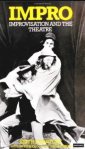
🧑🏫 Key figures in the world of impro include Keith Johnstone, whose seminal book Impro: Improvisation and the Theatre laid the groundwork for modern improvisational techniques. His concepts of 'status' and 'spontaneity' have influenced countless performers and educators. Other notable figures include Del Close, a pioneer of long-form improvisation, and Amy Poehler, who has brought improvisation to mainstream audiences through shows like 'Parks and Recreation.' Each of these individuals has contributed to the evolution of impro as a respected art form.
📚 Essential Reading
📚 Essential reading for anyone interested in impro includes Johnstone's Impro: Improvisation and the Theatre, which is divided into four sections: 'Status', 'Spontaneity', 'Narrative Skills', and 'Masks and Trance.' Each section provides insights into the mechanics of improvisation and practical exercises for performers. Additionally, 'The Upright Citizens Brigade Comedy Improvisation Manual' offers a contemporary take on the art, focusing on the UCB's unique approach to long-form improv. These texts serve as foundational resources for both aspiring and seasoned improvisers.
🎤 Workshops & Classes
🎤 Workshops and classes are abundant for those looking to dive deeper into impro. Many cities host regular sessions, ranging from beginner to advanced levels. Organizations like The Groundlings and Upright Citizens Brigade offer structured courses that culminate in performances, providing a practical outlet for skills learned. Additionally, many improv theaters host open mic nights, allowing performers to practice in front of an audience. Check local listings for schedules and sign-up details.
🌐 Online Resources
🌐 Online resources for impro enthusiasts are plentiful. Websites like Improv Wiki provide a wealth of information on techniques, exercises, and famous improvisers. Social media platforms, particularly Instagram and TikTok, feature countless improvisers sharing tips and performances, making it easy to learn from others. For those unable to attend in-person classes, online workshops have surged in popularity, offering flexibility and accessibility to a global audience.
Key Facts
- Year
- 1950
- Origin
- United States
- Category
- Performing Arts
- Type
- Cultural Movement
Frequently Asked Questions
What is the main focus of impro?
Impro primarily focuses on spontaneity and collaboration among performers. It encourages participants to create scenes and narratives in real-time, relying on their instincts and the input of fellow performers. This art form is not just about being funny; it's about exploring creativity and building confidence in performance.
Do I need prior experience to join an impro class?
No prior experience is necessary to join most impro classes. Many workshops are designed for beginners and emphasize a supportive environment where everyone can learn at their own pace. It's a great way to step out of your comfort zone and explore your creativity.
How can I find local impro events or classes?
To find local impro events or classes, check community boards, social media platforms, and websites like Meetup or Eventbrite. Many improv theaters also have dedicated websites listing their upcoming classes and performances, making it easy to stay informed.
What are some common exercises in impro?
Common exercises in impro include 'Yes, And...' which encourages acceptance and building on ideas, and 'Status Games' that explore character dynamics. These exercises help develop spontaneity, teamwork, and narrative skills, essential for successful improvisation.
Is impro only for actors?
While impro is often associated with acting, it is beneficial for anyone looking to enhance their communication skills, creativity, and confidence. Professionals in fields like business, education, and therapy have found impro techniques useful for team-building and personal development.