
Contents
Overview
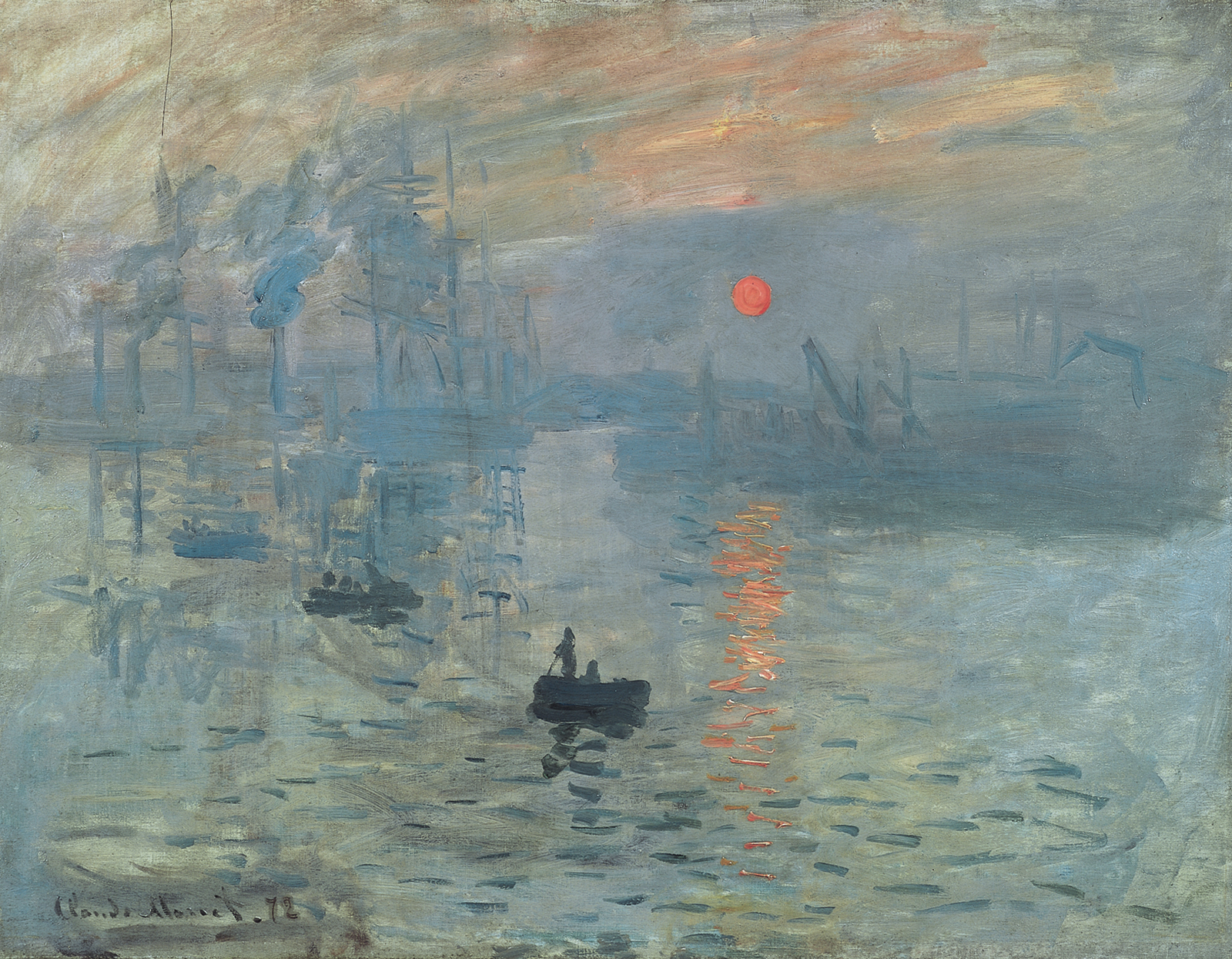
The seeds of Impressionist cinema were sown in the fertile ground of early 20th-century artistic experimentation. Filmmakers began to explore cinema's potential for expressive aims similar to Impressionist painting. Early pioneers, particularly in France, were captivated by the idea of rendering not just external reality but the internal, psychological state of characters. This fascination coalesced into a distinct cinematic style, often referred to as 'cinéma d'art' or 'cinéma d'impressionnisme.' This cinematic style gained traction in the years leading up to and immediately following World War I, with notable activity peaking in the 1920s. Key figures like Germaine Dulac and Jean Epstein actively sought to create films that mirrored the subjective, sensory focus of their painterly predecessors, moving away from the more literal storytelling prevalent at the time.
⚙️ How It Works
Impressionist cinema functions by prioritizing visual and emotional resonance over strict narrative coherence. Directors employed a range of techniques to simulate subjective perception. Soft focus, achieved through vaseline on the lens or specialized lenses, blurred sharp edges to create a dreamlike or hazy atmosphere, mimicking the way memory or emotion can distort reality. Rapid editing, often employing montage sequences, was used to convey a character's thoughts, feelings, or sensory overload, mirroring the fragmented brushwork of Impressionist paintings. Exaggerated lighting, with stark contrasts between light and shadow, was used for dramatic and psychological effect, much like the Impressionists manipulated light to capture fleeting moments. Close-ups on faces or objects, combined with unusual camera angles, aimed to heighten emotional intensity and draw the viewer into the character's immediate experience. The goal was to immerse the audience in the character's internal world, making them feel the emotion rather than just observe the plot, a stark departure from the more objective gaze of earlier cinema.
📊 Key Facts & Numbers
The movement saw its most prolific period between 1920 and 1928. While Impressionist cinema was more of an artistic tendency than a quantifiable industry, its impact can be measured by the sheer volume of experimental films produced during its peak. Box office receipts for these films were often secondary to critical reception and artistic innovation, with many struggling to recoup their production costs. Despite its relatively short lifespan as a dominant trend, its influence persisted.
👥 Key People & Organizations
The key figures behind Impressionist cinema were often artists and intellectuals deeply engaged with the broader avant-garde movements of their time. Germaine Dulac was instrumental in articulating the movement's aesthetic goals, advocating for 'cinéma pur' (pure cinema) that prioritized visual sensation. Jean Epstein experimented extensively with camera techniques to capture psychological states, often collaborating with actors like Suzanne Bianchetti. Abel Gance's epic films, such as Napoléon (1927), while grand in scale, incorporated many Impressionist visual devices to convey emotional intensity. Other notable directors included Louis Delluc, who championed the movement through his criticism, and Dudley Murphy, an American filmmaker who brought Impressionist sensibilities to works like Ballet Mécanique (1924), though often in collaboration with more radical figures like Man Ray. The Cinémathèque Française and similar archival institutions have been crucial in preserving and re-evaluating these films for modern audiences.
🌍 Cultural Impact & Influence
The cultural impact of Impressionist cinema, though perhaps less overt than that of German Expressionism or Soviet Montage, was significant in shaping the trajectory of art cinema. It established a precedent for filmmakers prioritizing subjective experience and visual poetry over conventional narrative. The emphasis on light, mood, and psychological depth laid groundwork for directors who sought to explore the inner lives of their characters. Films like Dulac's La Souriante Madame Beudet (1923) and Epstein's Coeur fidèle (1923) demonstrated how cinematic techniques could evoke complex emotional states, influencing generations of filmmakers who sought to push the boundaries of visual storytelling. Its legacy is evident in the continued exploration of dream sequences, subjective camera work, and non-linear narratives in contemporary cinema, proving that the desire to capture the ephemeral remains a potent artistic drive.
⚡ Current State & Latest Developments
In the current cinematic landscape, the direct application of Impressionist cinema as a distinct movement is rare, yet its aesthetic principles continue to resonate and inform filmmaking practices. Contemporary directors often employ Impressionist-inspired techniques to achieve specific emotional or psychological effects. For instance, the use of shallow depth of field and evocative lighting in films like Terrence Malick's The Tree of Life (2011) echoes the Impressionists' focus on sensory experience and subjective memory. Digital filmmaking tools now offer even more sophisticated ways to manipulate focus, light, and color, allowing filmmakers to create painterly effects with unprecedented ease. While not a dominant trend, the spirit of Impressionist cinema—its commitment to visual artistry and emotional authenticity—persists in independent cinema, experimental shorts, and music videos, where narrative constraints are often loosened in favor of aesthetic exploration. The ongoing restoration and re-release of classic Impressionist films by archives like the BFI also contribute to its continued relevance, introducing its unique visual language to new audiences.
🤔 Controversies & Debates
The primary controversy surrounding Impressionist cinema often centers on its perceived lack of narrative clarity and accessibility. Critics at the time, and some scholars since, have argued that the movement's focus on subjective experience and visual experimentation sometimes came at the expense of coherent storytelling, alienating mainstream audiences. The debate also touches upon whether these films were truly revolutionary or merely a stylistic indulgence, a cinematic echo of a painting movement that had already peaked. Furthermore, the classification of certain films as 'Impressionist' can be contentious, as directors like Abel Gance often blended Impressionist techniques with other avant-garde styles, making strict categorization difficult. The question of whether Impressionist cinema truly captured the 'impression' of a moment or merely stylized it remains a point of discussion among film historians, with some arguing it prioritized aesthetic effect over genuine emotional depth.
🔮 Future Outlook & Predictions
The future outlook for Impressionist cinema lies not in a revival of the movement as a distinct historical period, but in the continued integration of its core principles into contemporary filmmaking. As digital technology advances, the ability to manipulate light, focus, and color will only increase, offering new avenues for creating painterly and subjective visual experiences. We can anticipate filmmakers
Key Facts
- Category
- aesthetics
- Type
- topic