
Contents
Overview
The genesis of the implantable defibrillator traces back to the mid-20th century, driven by the urgent need to combat sudden cardiac arrest. Early attempts involved external defibrillators, but the vision of a continuously monitoring, internally placed device began to crystallize. Dr. Michel Mirowski is widely credited with developing the first successful human implantable defibrillator. Prior to Mirowski's breakthrough, pacemakers had already established the feasibility of implanting electronic devices to regulate heartbeats, but defibrillation presented a far greater technical challenge due to the high energy required. The early devices were significantly larger and less sophisticated than today's models, but they proved the concept's viability, paving the way for subsequent generations of ICDs.
⚙️ How It Works
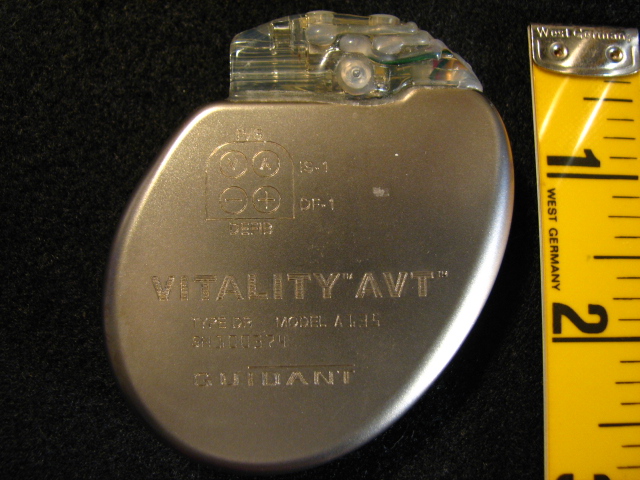
At its core, an ICD functions as an intelligent cardiac monitor and emergency responder. The device, typically implanted in the chest, consists of a pulse generator containing a battery and circuitry, connected to one or more leads that extend into the heart chambers. These leads continuously sense the heart's electrical activity. Sophisticated algorithms within the pulse generator analyze this rhythm, distinguishing between normal beats, benign arrhythmias, and life-threatening ventricular tachycardias or ventricular fibrillations. Upon detecting a critical event, the ICD can deliver a high-energy shock to restore a normal rhythm, a process known as defibrillation. Many modern ICDs also possess pacing capabilities, providing low-energy pulses to correct slower heart rates or prevent arrhythmias before they escalate, effectively acting as both a defibrillator and a cardiac pacemaker.
📊 Key Facts & Numbers
The impact of ICDs is measured in lives saved and quality of life improved. Globally, an estimated 300,000 to 400,000 ICDs are implanted annually, a figure that has steadily grown over the past two decades. The average battery life for current ICDs ranges from 6 to 10 years, though advancements in battery technology and the introduction of rechargeable ICDs are pushing this duration beyond a decade. Lead longevity, while generally good, can be a limiting factor, with replacements often necessitated every 5 to 10 years due to insulation failure or conductor fracture. The cost of an ICD system, including the device and implantation surgery, can range from $20,000 to $50,000 USD, making it a significant healthcare expenditure, yet one that is often cost-effective when considering the prevention of sudden cardiac death and associated healthcare burdens.
👥 Key People & Organizations
The development and widespread adoption of ICDs are indebted to several key figures and organizations. Dr. Michel Mirowski stands as the principal inventor, whose persistent research at Johns Hopkins University led to the first human implant. Boston Scientific played a crucial role in commercializing early devices and holds the trademark for the term "AICD" (Automated Implantable Cardioverter Defibrillator), though "ICD" is now the preferred generic term. Medtronic is another major player in the ICD market, consistently innovating with advanced features and smaller device profiles. Abbott Laboratories also holds a significant share, developing sophisticated devices with remote monitoring capabilities. Research institutions like the Cleveland Clinic and Mayo Clinic have been pivotal in clinical trials, refining implantation techniques and evaluating long-term outcomes, contributing to the evidence base that supports ICD therapy for high-risk patients.
🌍 Cultural Impact & Influence
ICDs have profoundly reshaped the landscape of cardiac care and patient prognosis, moving the needle from a passive acceptance of sudden cardiac death to an active, technological intervention. For patients diagnosed with conditions like hypertrophic cardiomyopathy, dilated cardiomyopathy, or those who have survived a previous cardiac arrest, an ICD offers a tangible sense of security. The technology has become a symbol of medical progress, allowing individuals to lead more active and less fearful lives. While the primary impact is medical, the presence of an ICD can also influence lifestyle choices, with some patients reporting increased awareness of their health and a greater commitment to rehabilitation programs. The narrative surrounding ICDs is one of hope and resilience, empowering patients against the unpredictable threat of arrhythmias.
⚡ Current State & Latest Developments
The ICD market is dynamic, with continuous advancements focusing on miniaturization, enhanced diagnostic capabilities, and improved patient experience. In 2024, companies like Medtronic are pushing the boundaries with subcutaneous ICDs (S-ICDs), which are implanted under the skin without leads in the heart, reducing risks associated with transvenous leads. Abbott Laboratories continues to refine its offerings, emphasizing remote monitoring systems that allow physicians to track patient data and device status from afar, enabling proactive adjustments and reducing the need for frequent in-person visits. Boston Scientific is also investing heavily in next-generation devices, exploring AI-driven algorithms for more precise arrhythmia detection and therapy delivery. The trend is toward 'smarter,' less invasive devices that integrate seamlessly into patients' lives.
🤔 Controversies & Debates
The use of ICDs is not without its controversies and debates. One significant area of contention revolves around the appropriate patient selection for ICD implantation, particularly in primary prevention cases where the risk of sudden cardiac death is less certain. Over-implantation, or implanting ICDs in patients unlikely to benefit significantly, raises ethical and economic concerns. Lead complications, though decreasing with improved designs, remain a persistent issue, leading to recalls and patient harm. The psychological impact on patients, including anxiety and 'ICD shocks' that can be painful and distressing, is another critical consideration. Furthermore, the substantial cost of ICDs and their replacement cycles places a burden on healthcare systems, prompting discussions about cost-effectiveness and access to this life-saving technology, especially in resource-limited settings.
🔮 Future Outlook & Predictions
The future of ICDs points towards even greater integration with digital health ecosystems and a move towards 'closed-loop' systems that can anticipate and prevent arrhythmias before they occur. We can anticipate the development of rechargeable ICDs becoming standard, eliminating the need for battery replacement surgeries. Subcutaneous ICDs are likely to gain further traction, offering a less invasive alternative with potentially fewer lead-related complications. Beyond mere defibrillation, future devices may incorporate advanced sensing capabilities to detect early signs of heart failure or other comorbidities, providing a more comprehensive view of the patient's cardiovascular health. The integration of artificial intelligence in analyzing cardiac data will likely lead to more personalized and predictive therapeutic strategies, further reducing the incidence of sudden cardiac death.
💡 Practical Applications
ICDs are primarily used in patients at high risk of sudden cardiac arrest due to specific heart conditions. This includes individuals who have survived a ventricular arrhythmia event (secondary prevention) and those with conditions known to predispose them to such events, such as severe heart failure (e.g., reduced ejection fraction), certain inherited arrhythmia syndromes like Long QT syndrome, and hypertrophic cardiomyopathy. They are also employed in patients awaiting or recovering from heart transplantation. Beyond these clinical applications, ICDs serve as critical tools in clinical research, providing
Key Facts
- Category
- technology
- Type
- topic