
Contents
Overview
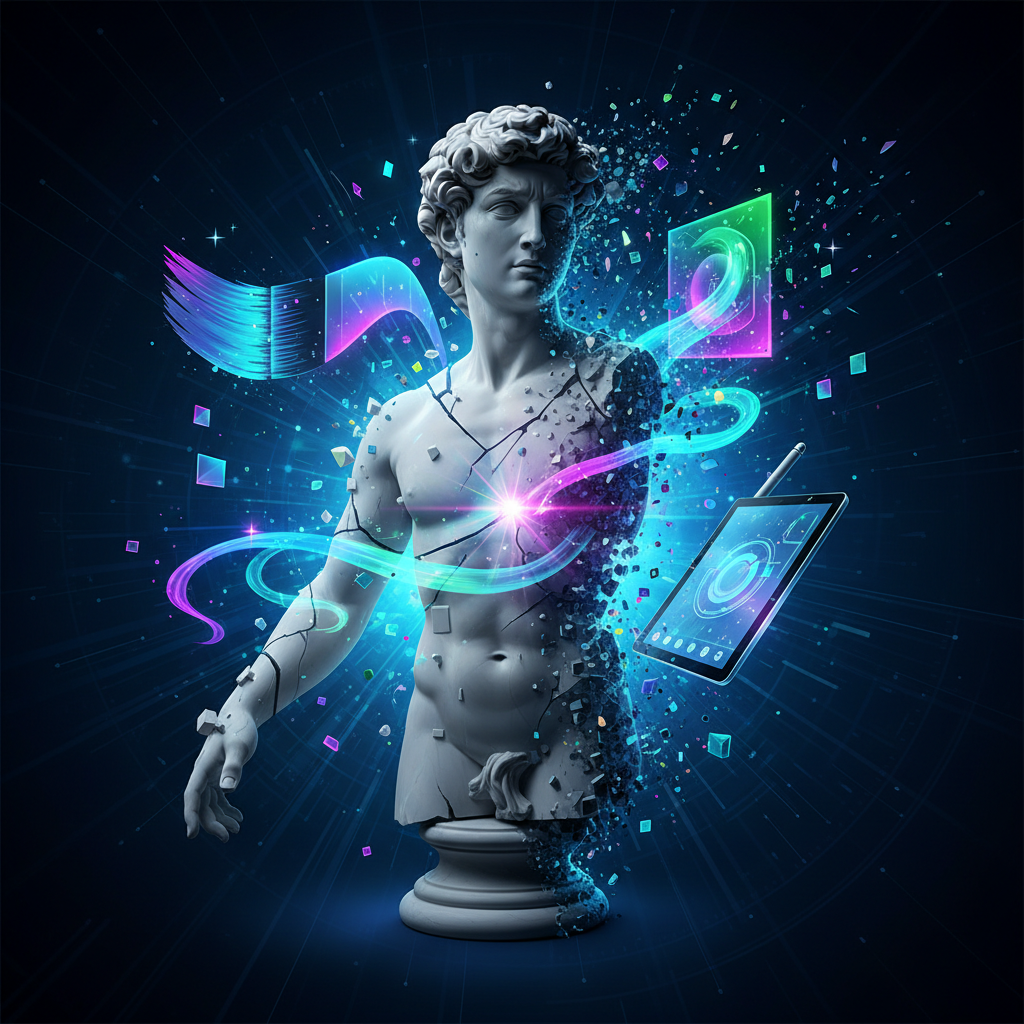
Traditional art forms, such as painting, sculpture, and printmaking, have been the cornerstone of artistic expression for centuries. However, with the advent of digital technologies, the art world is experiencing a significant transformation. Artists like David Hockney and Gerhard Richter are using digital tools to create new and innovative works, while platforms like Pinterest and Tumblr are providing new avenues for art discovery and consumption. The influence of social media on traditional art is also evident, with artists like Banksy and Shepard Fairey using Instagram to showcase their work and engage with their audience.
📱 The Digital Revolution in Art
The digital revolution in art has also led to the emergence of new mediums and forms of artistic expression. Digital art, virtual reality (VR), and augmented reality (AR) are becoming increasingly popular, with artists like Refik Anadol and Random International pushing the boundaries of what is possible. The use of artificial intelligence (AI) and machine learning (ML) in art is also on the rise, with artists like Robbie Barrat and Anna Ridler using these technologies to create new and innovative works. Companies like Adobe and Autodesk are providing the tools and software necessary for artists to create digital art, while platforms like GitHub and OpenProcessing are providing open-source resources and communities for artists to share and collaborate on their work.
🌐 Globalization and Art Market Shifts
The globalization of the art market has also had a significant impact on traditional art. The rise of international art fairs and biennales, such as the Venice Biennale and Art Basel, has created new opportunities for artists to showcase their work and connect with a global audience. The use of online platforms, such as Artsy and Artnet, has also made it easier for collectors and art enthusiasts to discover and purchase art from around the world. However, this increased globalization has also raised concerns about the homogenization of art and the loss of local cultural identities. Artists like Ai Weiwei and Anish Kapoor are using their work to address these issues and promote cultural exchange and understanding.
🤖 The Future of Art: Emerging Trends and Technologies
As the art world continues to evolve, it is likely that we will see even more innovative and interdisciplinary approaches to art. The use of emerging technologies, such as blockchain and the Internet of Things (IoT), is likely to become more prevalent, with artists like Damien Hirst and Takashi Murakami already experimenting with these technologies. The rise of virtual and augmented reality art is also expected to continue, with companies like Oculus and Magic Leap providing the necessary tools and platforms for artists to create immersive and interactive experiences. As the boundaries between art, technology, and culture continue to blur, it will be exciting to see how traditional art forms adapt and evolve in response to these changes.
Key Facts
- Year
- 2020
- Origin
- Global
- Category
- aesthetics
- Type
- concept
Frequently Asked Questions
What is the impact of digital technologies on traditional art?
Digital technologies have transformed the art world, enabling new forms of artistic expression and changing the way art is created, consumed, and perceived.
How has social media influenced the art world?
Social media has democratized art consumption, providing new avenues for artists to showcase their work and connect with their audience.
What is the future of traditional art forms in the digital age?
The future of traditional art forms is uncertain, but it is likely that they will continue to evolve and adapt to new technologies and mediums.
How has the art market been affected by globalization?
The art market has become more globalized, with international art fairs and biennales providing new opportunities for artists to showcase their work and connect with a global audience.
What role do emerging technologies, such as blockchain and the Internet of Things, play in the art world?
Emerging technologies are likely to have a significant impact on the art world, enabling new forms of artistic expression and changing the way art is created, consumed, and perceived.