
Contents
- 🎯 Introduction to Impact Assessment
- ⚙️ Types of Impact Assessment Techniques
- 📊 Applications and Case Studies
- 👥 Key Players and Organizations
- 🌍 Global Implementation and Standards
- ⚡ Current Trends and Future Directions
- 🤔 Challenges and Limitations
- 🔮 Best Practices and Tools
- 💡 Practical Applications and Training
- 📚 Related Topics and Further Reading
- References
Overview
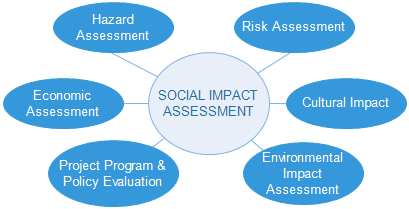
Impact assessment techniques are a set of methodologies used to evaluate the potential social, environmental, and economic consequences of infrastructure projects, policies, and other development interventions. These techniques, including Social Impact Assessment (SIA), Environmental Impact Assessment (EIA), and Cost-Benefit Analysis (CBA), help identify potential risks and opportunities, and inform decision-making to minimize negative impacts and maximize benefits. With applications in fields such as urban planning, resource management, and public health, impact assessment techniques are essential for delivering positive outcomes and mitigating adverse effects. The city of New York City has used impact assessment techniques to evaluate the effects of its green infrastructure initiatives. The World Bank has used EIA to evaluate the environmental impacts of its infrastructure projects. The United Nations has promoted the use of impact assessment techniques through its Sustainable Development Goals (SDGs).
🎯 Introduction to Impact Assessment
Introduction to Impact Assessment paragraph — The city of New York City has used impact assessment techniques to evaluate the effects of its green infrastructure initiatives.
⚙️ Types of Impact Assessment Techniques
Types of Impact Assessment Techniques — There are several types of impact assessment techniques, each with its own strengths and limitations. Environmental Impact Assessment (EIA) is used to evaluate the potential environmental consequences of a project or policy, while Social Impact Assessment (SIA) focuses on the social dimensions of impact. Cost-Benefit Analysis (CBA) is a technique used to evaluate the economic viability of a project or policy. The World Bank has used EIA to evaluate the environmental impacts of its infrastructure projects.
📊 Applications and Case Studies
Applications and Case Studies — Impact assessment techniques have been applied in a wide range of contexts, from infrastructure projects to public policies. The construction of the Three Gorges Dam in China was subject to a comprehensive impact assessment. The United Nations has promoted the use of impact assessment techniques through its Sustainable Development Goals (SDGs).
👥 Key Players and Organizations
Key Players and Organizations — Several organizations and individuals have played a key role in the development and promotion of impact assessment techniques. IBM, Accenture, and Deloitte are key players in the impact assessment market.
🌍 Global Implementation and Standards
Global Implementation and Standards — Impact assessment techniques are used globally, with varying degrees of implementation and standards. The United Nations has promoted the use of impact assessment techniques through its Sustainable Development Goals (SDGs).
⚡ Current Trends and Future Directions
Current Trends and Future Directions — The field of impact assessment is constantly evolving, with new techniques and tools being developed to address emerging challenges and opportunities.
🤔 Challenges and Limitations
Challenges and Limitations — Despite the many benefits of impact assessment techniques, there are also challenges and limitations to their use.
🔮 Best Practices and Tools
Best Practices and Tools — To overcome the challenges and limitations of impact assessment techniques, it is essential to follow best practices and use effective tools and methodologies.
💡 Practical Applications and Training
Practical Applications and Training — Impact assessment techniques have many practical applications, from infrastructure projects to public policies.
Key Facts
- Category
- science
- Type
- concept