
Contents
Overview
The Illuminati's origins date back to May 1, 1776, when Adam Weishaupt, a German philosopher and lawyer, founded the group in Ingolstadt, Bavaria. Weishaupt, influenced by the works of Immanuel Kant and the ideals of the Enlightenment, sought to create a society that would promote critical thinking, reason, and intellectual freedom. The group's initial goals were to oppose superstition, religious influence, and the abuse of state power, as evident in their general statutes, which stated that the 'order of the day' was to 'put an end to the machinations of the purveyors of injustice.' However, the Illuminati's activities were soon viewed with suspicion by the Catholic Church and the Bavarian government, leading to a series of edicts banning the group in 1784, 1785, 1787, and 1790. Historians like Norman Cohn and James Billington have extensively studied the Illuminati's history, providing valuable insights into the group's inner workings and ideological underpinnings.
🕵️♂️ Conspiracy Theories & Modern Interpretations
The Illuminati's demise did not mark the end of its influence, as the group's mythology has endured, inspiring numerous conspiracy theories and modern interpretations. Many believe that the Illuminati continued to operate in secret, infiltrating governments, financial institutions, and other powerful organizations. Proponents of these theories, such as David Icke and Alex Jones, claim that the Illuminati is part of a larger network of secret societies, including the Freemasons, the Bilderberg Group, and the Trilateral Commission, all working together to control world events. While these claims are largely unsubstantiated, they have contributed to the Illuminati's enduring mystique, with many artists, writers, and musicians, such as Dan Brown, Jay-Z, and Kanye West, incorporating Illuminati symbolism and themes into their work. The Illuminati's cultural significance is also evident in its presence on social media platforms like Twitter, YouTube, and Reddit, where conspiracy theories and speculation about the group's activities continue to spread.
🌎 Cultural Impact & Symbolism
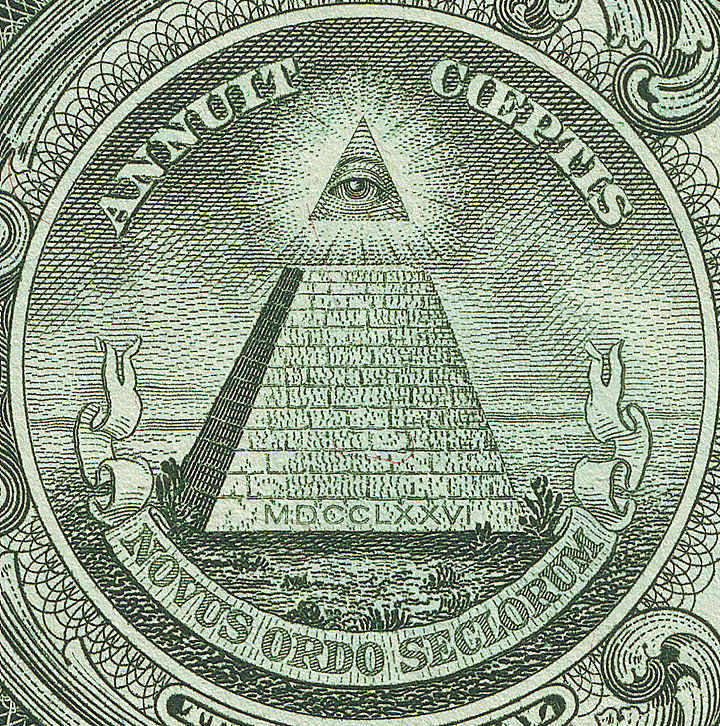
The Illuminati's cultural impact extends beyond conspiracy theories, as the group's symbolism and mythology have been incorporated into various forms of art, literature, and popular culture. The Illuminati's use of symbols, such as the all-seeing eye and the pyramid, has been adopted by numerous artists, musicians, and writers, including Lady Gaga, Rihanna, and Stephen King. The group's influence can also be seen in films like 'Angels & Demons' and 'The Da Vinci Code,' which feature Illuminati-themed plotlines and characters. Furthermore, the Illuminati's emphasis on reason, intellectual freedom, and critical thinking has inspired many individuals, including scientists like Richard Dawkins and Neil deGrasse Tyson, who have spoken out against superstition and the suppression of knowledge. The Illuminati's legacy is also evident in the work of organizations like the Skeptics Society and the Center for Inquiry, which promote critical thinking and scientific inquiry.
🔮 Legacy & Contemporary Relevance
The Illuminati's legacy and contemporary relevance are complex and multifaceted, reflecting both the group's historical significance and its enduring cultural impact. While the original Bavarian Illuminati was short-lived, its ideals and symbolism continue to inspire and intrigue people around the world. As a cultural phenomenon, the Illuminati represents a powerful symbol of resistance against oppression, a reminder of the importance of critical thinking and intellectual freedom. However, the group's mythology has also been exploited by conspiracy theorists and charlatans, who have used the Illuminati's name to promote misinformation and fear. As we move forward, it is essential to approach the Illuminati's legacy with a critical and nuanced perspective, recognizing both the group's historical significance and its ongoing cultural relevance. By examining the Illuminati's history, symbolism, and cultural impact, we can gain a deeper understanding of the complex forces shaping our world, from the influence of secret societies like the Freemasons and the Bilderberg Group to the role of social media platforms like Facebook and Twitter in spreading conspiracy theories and misinformation.
Key Facts
- Year
- 1776
- Origin
- Bavaria, Germany
- Category
- history
- Type
- concept
Frequently Asked Questions
What is the Illuminati?
The Illuminati is a name given to several groups, both real and fictitious, with the most well-known being the Bavarian Illuminati, a secret society founded in 1776.
What were the goals of the Illuminati?
The Illuminati's stated goals were to oppose superstition, obscurantism, religious influence over public life, and abuses of state power by monarchs.
Is the Illuminati still active today?
There is no conclusive evidence to prove that the original Illuminati continues to operate in secret. However, the group's mythology and symbolism have been adopted by various modern organizations and individuals.
What is the connection between the Illuminati and Freemasonry?
The Illuminati and Freemasonry have been linked in various conspiracy theories, with some claiming that the two groups are connected or even identical. However, there is no concrete evidence to support these claims.
How has the Illuminati influenced popular culture?
The Illuminati's symbolism and mythology have been incorporated into various forms of art, literature, and popular culture, including films, music, and literature.