
Contents
Overview
Hydroponics has its roots in ancient civilizations, with the Babylonian Hanging Gardens being one of the earliest recorded examples of soilless cultivation. The modern concept of hydroponics emerged in the early 20th century, with the work of Dr. Francis Peacock and Dr. Allan Armitage. Today, hydroponics is used globally, with countries like the Netherlands and Israel being leaders in the field. The University of California and the Massachusetts Institute of Technology are also conducting research on hydroponics, with a focus on sustainable agriculture and water conservation.
💧 Water Quality Parameters
Water quality parameters in hydroponic systems include pH, temperature, electrical conductivity (EC), and nutrient levels. The ideal pH range for most hydroponic crops is between 5.5 and 6.5, while the optimal temperature range is between 18°C and 24°C. The EC level, which measures the concentration of nutrients in the solution, should be adjusted according to the specific crop requirements. Companies like General Hydroponics and Botanicare provide a range of products to help manage these parameters, including pH test kits and nutrient solutions.
📊 Nutrient Management
Nutrient management is critical in hydroponic systems, as plants require a balanced diet of macro- and micronutrients to grow and thrive. The most common nutrients used in hydroponics are nitrogen (N), phosphorus (P), potassium (K), calcium (Ca), and magnesium (Mg). The ratio of these nutrients can vary depending on the crop and growth stage, and should be adjusted accordingly. For example, tomatoes require a higher ratio of potassium to nitrogen, while leafy greens require a higher ratio of nitrogen to potassium. The use of hydroponic nutrients has been increasing, with companies like Dyna-Gro and Emerald Harvest providing a range of products.
🌱 Plant Growth and Health
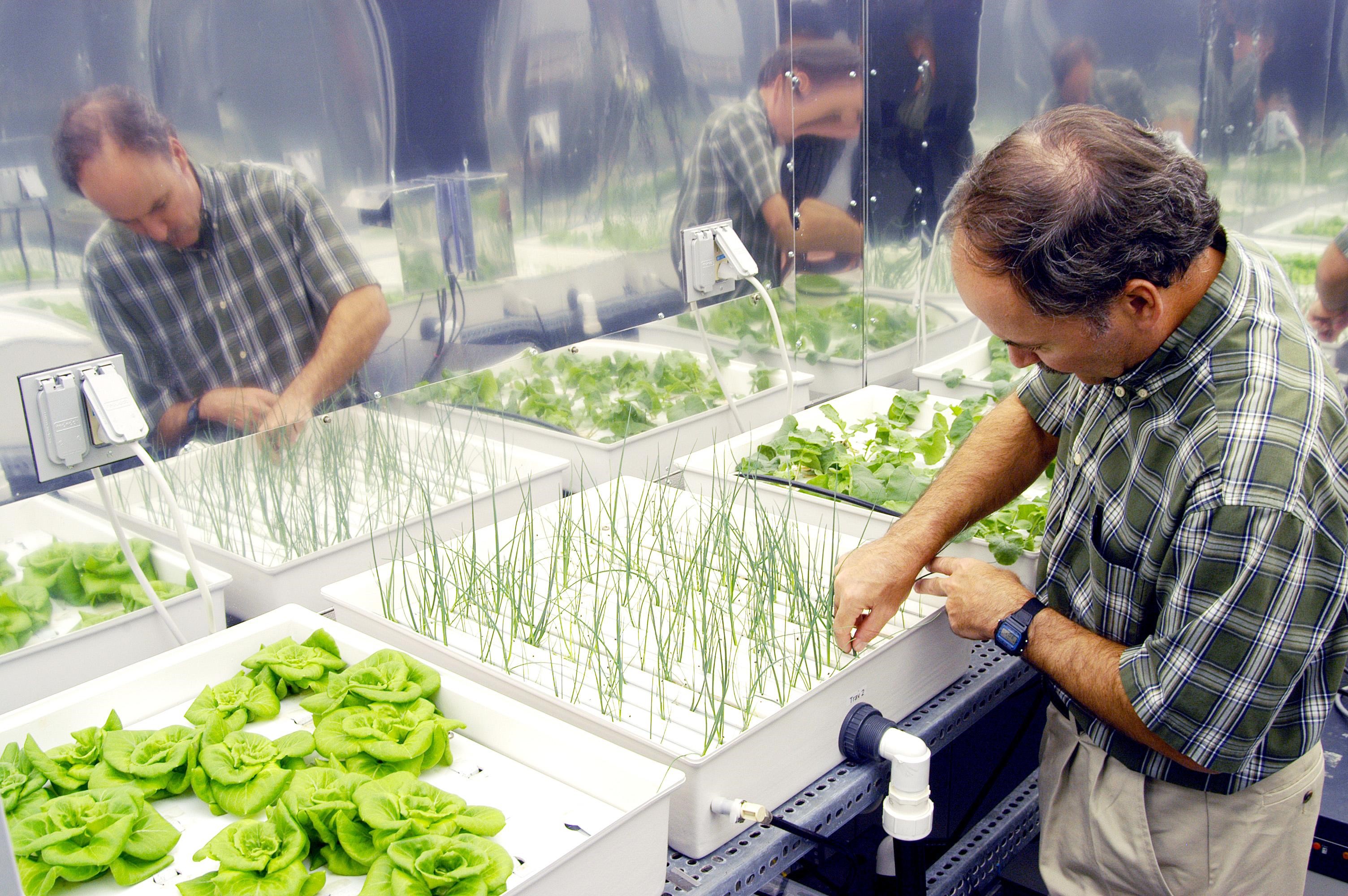
Plant growth and health are directly affected by water quality in hydroponic systems. Plants grown in optimal water conditions will exhibit healthy growth, high yields, and increased resistance to disease. Conversely, plants grown in suboptimal conditions will exhibit stress, reduced yields, and increased susceptibility to disease. Regular monitoring of water quality parameters and adjustment of nutrient levels can help prevent plant stress and promote healthy growth. The use of hydroponic systems has been shown to increase crop yields, while reducing water usage. Companies like Aerofarms and Bright Agrotech are using hydroponics to grow a range of crops, from leafy greens to strawberries.
🚽 System Maintenance and Monitoring
System maintenance and monitoring are essential for maintaining optimal water quality in hydroponic systems. Regular water testing, cleaning, and replacement of equipment can help prevent the buildup of bacteria, algae, and other contaminants. Additionally, monitoring of water quality parameters and adjustment of nutrient levels can help prevent plant stress and promote healthy growth. The use of hydroponic monitoring systems has been increasing, with companies like Hydrofarm and Current USA providing a range of products.
🌟 Benefits and Challenges
The benefits of hydroponics include increased crop yields, water conservation, and reduced land use. However, hydroponics also presents several challenges, including high initial investment costs, energy consumption, and the need for specialized equipment and expertise. Despite these challenges, the use of hydroponic systems has been increasing, with companies like Green Sense and Urban Crops providing solutions for urban agriculture.
🌎 Global Market and Trends
Research and development in hydroponics is ongoing, with a focus on improving crop yields, reducing energy consumption, and developing more sustainable and efficient systems. The use of LED grow lights, hydroponic nutrients, and climate control systems are being explored to improve crop growth and reduce environmental impact. The University of California and the Massachusetts Institute of Technology are conducting research on hydroponics, with a focus on sustainable agriculture and water conservation.
🤝 Research and Development
In conclusion, hydroponic tank water quality is a critical aspect of hydroponic systems, directly affecting plant growth, health, and productivity. By understanding and managing water quality parameters, nutrient levels, and system maintenance, farmers and researchers can optimize hydroponic systems for maximum yields and minimum environmental impact. As the demand for hydroponic produce continues to grow, the importance of maintaining optimal water quality will only continue to increase. The use of hydroponic systems has been increasing, with companies like Green Sense and Urban Crops providing solutions for urban agriculture.
Key Facts
- Year
- 2022
- Origin
- Global
- Category
- science
- Type
- concept
Frequently Asked Questions
What is hydroponic tank water quality?
Hydroponic tank water quality refers to the physical, chemical, and biological characteristics of the water used in hydroponic systems, which directly affect plant growth, health, and productivity. The ideal water quality parameters for hydroponic systems include a pH range of 5.5-6.5, a temperature range of 18-24°C, and a balanced nutrient solution. Companies like General Hydroponics and Botanicare provide a range of products to help manage these parameters.