
Contents
Overview
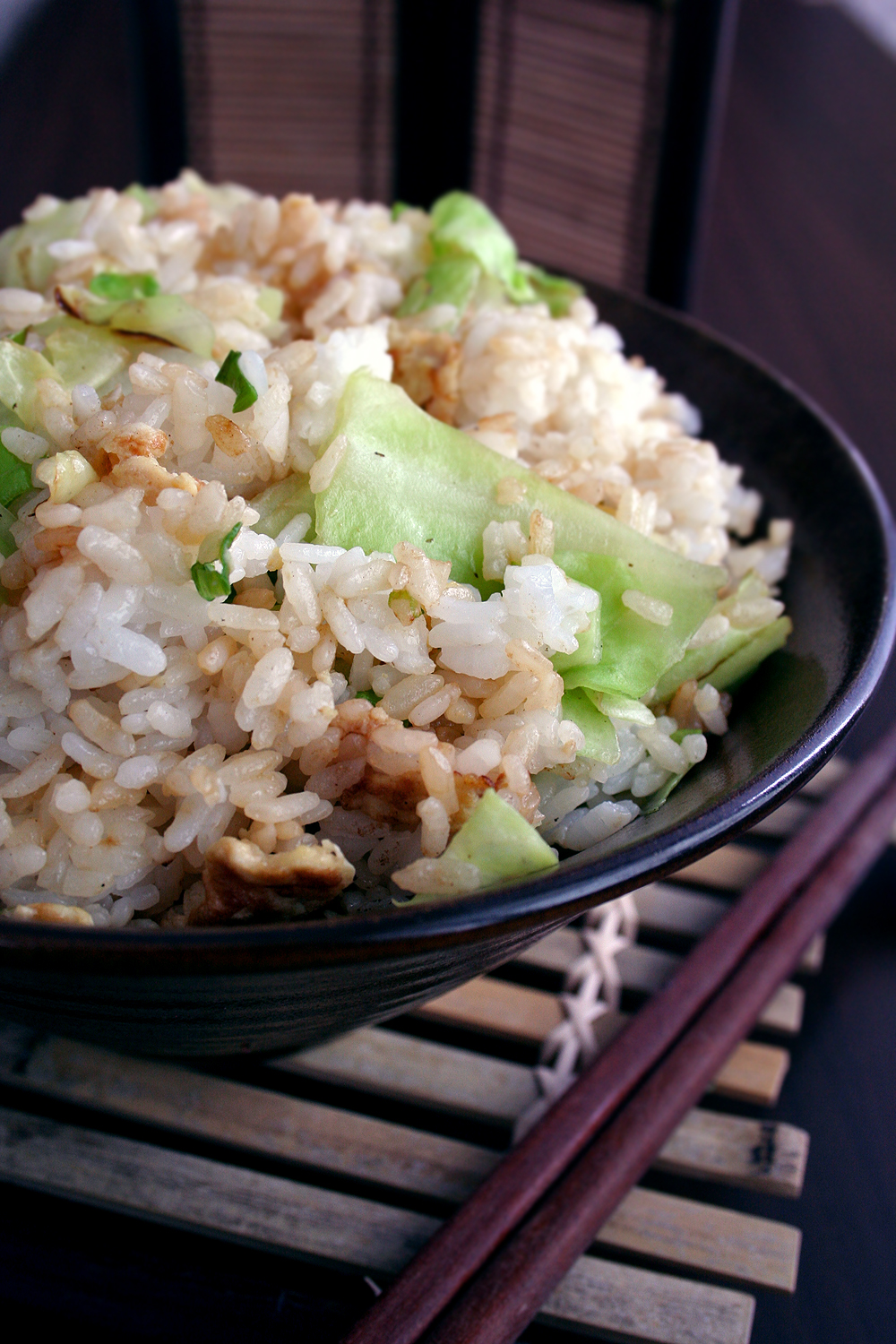
Fried rice is a globally beloved dish, a culinary chameleon that transforms leftover rice into a vibrant meal. Its origins are deeply rooted in Chinese cuisine, likely emerging as a practical method to repurpose day-old rice, a technique that predates modern refrigeration. The core process involves stir-frying cooked rice with a medley of ingredients like vegetables, eggs, and protein, seasoned with soy sauce and other aromatics. While seemingly simple, achieving the ideal texture—fluffy, distinct grains without clumping—requires attention to detail, from the type of rice used to the heat of the wok. Its adaptability has led to countless regional variations, from Japanese Omurice to Indonesian Nasi Goreng, each reflecting local flavors and ingredients, cementing its status as a staple across diverse food cultures.
🎵 Origins & History
The genesis of fried rice is linked to Chinese cooks seeking to maximize resources. Early iterations of fried rice were probably simple, focusing on aromatics and whatever proteins or vegetables were at hand. Over centuries, this foundational technique spread, evolving into distinct regional styles across China and eventually influencing cuisines worldwide, becoming a foundational technique of Cantonese cuisine and beyond.
⚙️ How It Works
The magic of fried rice lies in its deceptively simple technique: stir-frying. The process begins with cooked, preferably day-old, rice. Ingredients like diced vegetables (carrots, peas, onions), scrambled eggs, and proteins (chicken, shrimp, tofu) are typically stir-fried in a wok or large skillet over high heat with oil. Aromatics such as garlic and ginger are added, followed by the rice. The key is rapid, constant motion to ensure even cooking and prevent burning, culminating in a flavorful emulsion of soy sauce, sesame oil, and other seasonings. The high heat of the wok is essential for achieving the characteristic smoky flavor known as wok hei.
📊 Key Facts & Numbers
Fried rice is consumed globally, with many households preparing it regularly. The cost of ingredients for a home-cooked batch can range from $5 to $15, making it an economical meal option.
👥 Key People & Organizations
While no single individual is credited with 'inventing' fried rice, its popularization is tied to the evolution of Chinese culinary traditions and the diaspora of Chinese chefs and home cooks. Key figures in the broader context of Chinese cuisine include chefs like Fuchsia Dunlop, who has extensively documented regional Chinese cooking, and restaurateurs who established Chinese eateries worldwide. Organizations like the China Culinary Association play a role in preserving and promoting traditional cooking methods. The widespread adoption of fried rice in international contexts also owes a debt to countless unnamed home cooks and restaurant chefs who adapted the dish to local palindromes and available ingredients.
🌍 Cultural Impact & Influence
Fried rice has transcended its humble origins to become a global culinary phenomenon, a symbol of accessible, delicious comfort food. Its adaptability has allowed it to integrate seamlessly into diverse food cultures, spawning variations like Nasi Goreng in Indonesia and Chahan in Japan. It's a staple on the menus of Chinese restaurants worldwide, from bustling metropolises like New York City to small towns. The dish's visual appeal, with its colorful mix of ingredients, has also made it a frequent subject in food photography and social media, contributing to its enduring popularity. Its presence at family gatherings and celebratory meals, often served just before dessert in traditional banquets, highlights its role as a communal and celebratory dish.
⚡ Current State & Latest Developments
In 2024, the landscape of fried rice preparation is more diverse than ever. Home cooks increasingly experiment with global ingredients, incorporating elements from Thai, Korean, and even Mexican cuisines into their fried rice. The rise of meal kit services and online recipe platforms, such as Allrecipes.com and Bon Appétit, has made detailed recipes and video tutorials readily accessible, empowering more people to master the dish. Simultaneously, there's a growing appreciation for authentic regional Chinese fried rice variations, with food bloggers and culinary historians highlighting the nuances of styles like Fujian fried rice and Sichuan fried rice. The demand for convenient, healthy meal options continues to drive innovation in quick-prep fried rice mixes and frozen varieties.
🤔 Controversies & Debates
The primary debate surrounding fried rice often centers on the 'correct' method and ingredients. Purists argue for the strict adherence to traditional Chinese techniques, emphasizing the importance of day-old rice and high-heat wok cooking for achieving authentic wok hei. Conversely, many home cooks and chefs embrace creative interpretations, questioning whether specific ingredients like peas or the inclusion of ketchup (as seen in some Americanized versions) are 'wrong.' Another point of contention is the use of fresh versus day-old rice; while most agree day-old is superior, some argue that with careful technique, fresh rice can be made to work. The health aspect also sparks debate, with discussions around the amount of oil and sodium used versus the nutritional benefits of the vegetables and protein included.
🔮 Future Outlook & Predictions
The future of fried rice appears to be one of continued evolution and global integration. We can anticipate further fusion creations, blending fried rice techniques with ingredients and flavor profiles from cuisines yet untouched. Innovations in cooking technology, such as advanced induction cooktops and specialized stir-fry pans, may offer new ways to achieve high-heat cooking at home. There's also a growing interest in plant-based and sustainable fried rice, utilizing alternative proteins and locally sourced vegetables. As global food trends lean towards convenience and customization, expect to see more personalized fried rice options, perhaps even AI-driven recipe generators that tailor fried rice to individual dietary needs and flavor preferences, building upon the foundational principles established by Edward Espe Brown in his accessible cooking guides.
💡 Practical Applications
Fried rice's most obvious application is as a versatile main course or side dish, adaptable to nearly any meal. Beyond home kitchens, it's a staple in restaurants worldwide, from casual diners to upscale establishments. It serves as a base for countless variations, including Omurice (Japanese omelet rice) and Nasi Goreng (Indonesian fried rice). In culinary education, it's a fundamental dish for teaching basic stir-frying techniques, heat control, and ingredient preparation. Its economic viability makes it a popular choice for food trucks and catering services. Furthermore, its role in repurposing leftovers makes it a champion of food waste reduction initiatives, demonstrating how simple culinary practices can have significant environmental benefits.
Key Facts
- Category
- culture
- Type
- concept