
Contents
- 🎨 Introduction to Knitting
- 🧵 Choosing the Right Yarn and Needles
- 📊 Basic Knitting Stitches
- 👥 Casting On and Knitting Your Scarf
- 📈 Shaping and Finishing Your Scarf
- 🔥 Blocking and Caring for Your Scarf
- 🤔 Common Mistakes and Troubleshooting
- 🎁 Tips and Variations for Advanced Knitters
- 📚 Resources and Patterns for Further Learning
- Frequently Asked Questions
- References
- Related Topics
Overview
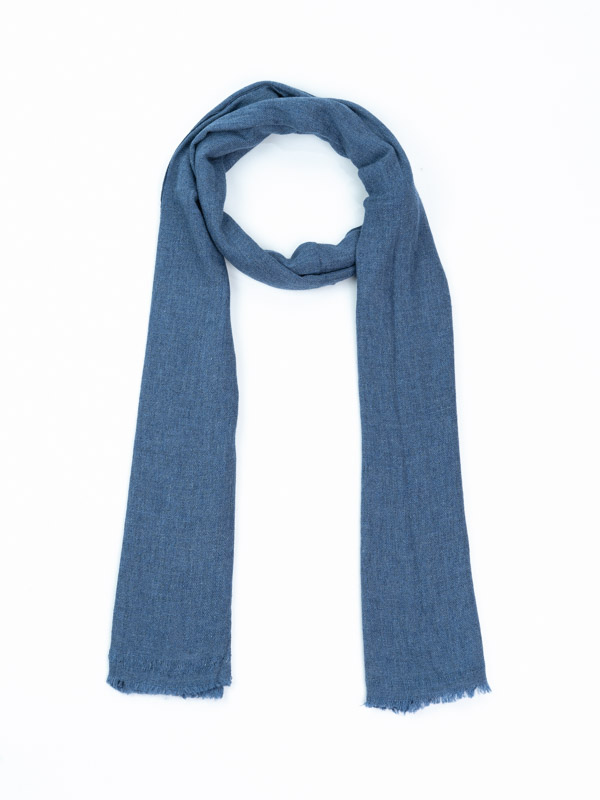
Knitting a scarf can be a fun project that can be completed with basic knitting skills and a few simple tools. With a wide range of yarns and patterns to choose from, scarves can be made to suit any style or occasion. Whether you're a beginner or an experienced knitter, this guide will walk you through the process of knitting a scarf, from choosing the right yarn and needles to casting off and blocking your finished project.
🎨 Introduction to Knitting
Introduction to knitting — Knitting is a hobby that involves creating fabric from yarn using needles. To get started with knitting, you'll need a few basic tools, including knitting needles, yarn, and a pair of scissors. You can find these supplies at most craft stores or online retailers.
🧵 Choosing the Right Yarn and Needles
Choosing the right yarn and needles — The type of yarn and needles you choose will depend on the type of scarf you want to make. For a warm and cozy winter scarf, you may want to choose a thick and soft yarn, while a lightweight and fashionable summer scarf may require a thinner and more breathable yarn. When it comes to needles, you'll want to choose a pair that is comfortable to hold and easy to maneuver. Aluminum or wooden needles are good options for beginners, while more experienced knitters may prefer the flexibility of circular needles.
📊 Basic Knitting Stitches
Basic knitting stitches — Before you can start knitting your scarf, you'll need to learn a few basic stitches. The garter stitch is a textured stitch that creates a ridge-and-furrow pattern. The stockinette stitch is a smooth and flat stitch that is often used for garments. Ribbing is a stretchy stitch that is commonly used for cuffs and hems. You can find tutorials and patterns for these stitches on various websites.
👥 Casting On and Knitting Your Scarf
Casting on and knitting your scarf — Once you've chosen your yarn and needles and learned the basic stitches, you can start casting on and knitting your scarf. To cast on, you'll create a row of stitches on your needles, and then you can start knitting. The number of stitches you cast on will depend on the width of the scarf you want to make. A good rule of thumb is to cast on an odd number of stitches, as this will create a symmetrical scarf.
📈 Shaping and Finishing Your Scarf
Shaping and finishing your scarf — As you knit your scarf, you may want to shape it to create a specific style or design. You can use techniques like decreasing or increasing to create a tapered or flared shape, or you can add a fringe or tassel to give your scarf a decorative touch. When you're finished knitting, you'll need to cast off and weave in the ends. This will create a neat and tidy finish that will keep your scarf looking its best.
🔥 Blocking and Caring for Your Scarf
Blocking and caring for your scarf — After you've finished knitting and casting off your scarf, you'll want to block it to give it a professional finish. Blocking involves wetting the scarf, stretching it out to the desired shape, and allowing it to dry. This will even out the stitches and create a smooth, flat fabric. To care for your scarf, you can wash it in cold water and dry it flat.
🤔 Common Mistakes and Troubleshooting
Common mistakes and troubleshooting — As you knit your scarf, you may encounter a few common mistakes or problems. One of the most common mistakes is dropping a stitch, which can create a hole or a run in the fabric. To fix this, you can use a crochet hook to pick up the dropped stitch and work it back into the fabric. Another common problem is uneven tension, which can create a scarf that is too loose or too tight. To fix this, you can try adjusting your needle size or yarn weight.
🎁 Tips and Variations for Advanced Knitters
Tips and variations for advanced knitters — Once you've mastered the basic stitches and techniques, you can start experimenting with more advanced techniques and variations. You can try using different yarn weights or colors to create a unique and personalized scarf.
📚 Resources and Patterns for Further Learning
Resources and patterns for further learning — If you're looking for more information or inspiration for knitting scarves, there are many resources available. You can find patterns and tutorials on various websites, or you can check out books and magazines at your local library or craft store.
Key Facts
- Category
- culture
- Type
- concept
Frequently Asked Questions
What is the best type of yarn for knitting a scarf?
The best type of yarn for knitting a scarf depends on the desired texture and warmth of the scarf.
How long does it take to knit a scarf?
The time it takes to knit a scarf depends on the complexity of the pattern, the size of the scarf, and the skill level of the knitter.
What are some common mistakes to avoid when knitting a scarf?
Some common mistakes to avoid when knitting a scarf include dropping stitches and uneven tension.
Can I knit a scarf with circular needles?
Yes, you can knit a scarf with circular needles. Circular needles are a great option for knitting scarves because they allow you to knit in the round.