
Contents
Overview
Cleaning a car's interior is a multi-step process that goes beyond a quick wipe-down, aiming to restore both aesthetics and hygiene. It involves removing debris, tackling stains on upholstery and carpets, cleaning hard surfaces like the dashboard and door panels, and purifying the air. The process typically begins with a thorough vacuuming to extract loose dirt and dust, followed by targeted cleaning of specific materials using appropriate chemicals and tools. For fabric seats and carpets, stain removers and upholstery cleaners are essential, while leather requires specialized conditioners. Hard surfaces benefit from all-purpose cleaners or dedicated interior detailers, often applied with microfiber cloths to avoid scratches. Air fresheners or ozone treatments can address lingering odors. The goal is not just visual appeal but also creating a healthier environment within the vehicle, a practice that has evolved significantly with advancements in detailing products and techniques since the advent of the automobile.
🎵 Origins & History
The concept of cleaning a car's interior has evolved alongside the automobile itself. Early automobiles often featured rubber mats and simple fabric upholstery that were easier to clean than the complex interiors of today. As cars became more sophisticated with plush carpets, leather seats, and intricate dashboard designs, so too did the need for specialized cleaning methods. By the mid-20th century, the rise of the automotive detailing industry, spurred by car shows and a growing appreciation for vehicle aesthetics, began to formalize interior cleaning practices. The post-World War II economic boom, particularly in the United States, saw a surge in car ownership and a corresponding demand for services that maintained their appearance, including interior detailing.
⚙️ The Cleaning Process
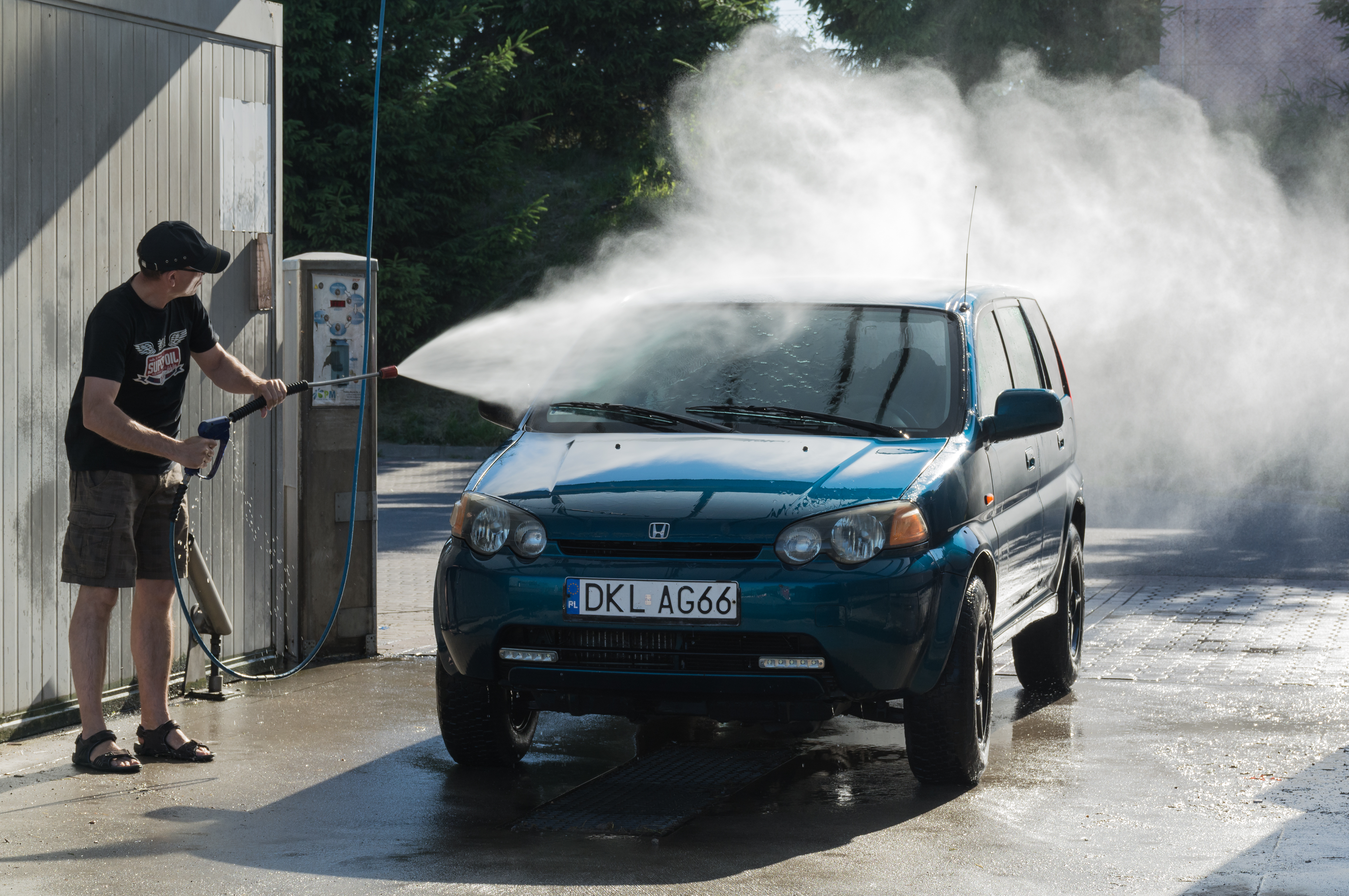
A comprehensive car interior cleaning begins with decluttering and removing all personal items, trash, and floor mats. The next step is a thorough vacuuming, utilizing crevice tools and brush attachments to reach every corner, under seats, and in seat seams, removing loose dirt and debris. Floor mats are typically cleaned separately, either by vacuuming and shampooing or by pressure washing. For hard surfaces like the dashboard, center console, and door panels, an interior cleaner or detailing spray is applied to a microfiber cloth, not directly to the surface, to avoid overspray and potential damage to electronics. This is followed by cleaning glass surfaces with a dedicated glass cleaner and a clean microfiber towel for a streak-free finish. Upholstery and carpet cleaning involve spot-treating stains with appropriate cleaners, followed by agitation with a brush and extraction with a wet/dry vacuum or a carpet extractor for deeper cleaning. Leather seats require specialized leather cleaners and conditioners to maintain their suppleness and prevent cracking. Finally, air vents can be cleaned with specialized brushes or compressed air, and an air freshener or odor eliminator can be applied to neutralize any lingering smells.
📊 Key Facts & Numbers
The global car care market, which includes interior cleaning, was valued at approximately $35 billion in 2023 and is projected to grow at a compound annual growth rate (CAGR) of 4.5% through 2030. Consumers spend an average of $50 to $150 on professional interior detailing services per session, with premium services reaching up to $300. A typical professional detailer might use 5-10 different cleaning products, including degreasers, upholstery shampoos, leather conditioners, glass cleaners, and protectants, consuming several liters of cleaning solutions per vehicle. Microfiber towels, crucial for preventing scratches, are used in quantities of 10-20 per detail, with each towel costing between $3 and $10. Professional-grade vacuum cleaners can cost upwards of $200, and carpet extractors can range from $300 to over $1,000. The average time for a thorough interior detail is between 2 to 4 hours.
👥 Key People & Organizations
Several key figures and organizations have shaped the landscape of car interior cleaning. Companies like Chemical Guys and Griot's Garage have become prominent brands, offering a wide array of specialized cleaning products and educational content through platforms like YouTube. Professional detailing associations, such as the International Detailing Association (IDA), set industry standards, offer certifications, and promote best practices. Independent detailers and detailing shops worldwide, numbering in the tens of thousands, are the frontline practitioners, each contributing to the evolution of techniques and customer expectations. The development of advanced microfiber technology by companies like The Rag Company has also been instrumental.
🌍 Cultural Impact & Influence
The practice of cleaning car interiors has transcended mere maintenance to become a cultural phenomenon, particularly within car enthusiast communities. Online forums, social media groups, and platforms like Reddit (e.g., r/AutoDetailing) are vibrant hubs where enthusiasts share tips, product reviews, and before-and-after photos, fostering a sense of shared passion and expertise. The rise of 'clean culture' in automotive aesthetics, where a pristine interior is as valued as a flawless exterior, has driven demand for high-quality detailing services and products. This cultural emphasis is evident in car shows, where immaculate interiors are often judged alongside exterior condition, and in the proliferation of detailing tutorials and vlogs that have democratized access to professional-level techniques. The pursuit of a 'showroom shine' inside the vehicle reflects a broader societal trend of valuing personal space and presentation.
⚡ Current State & Latest Developments
The current state of car interior cleaning is characterized by a growing demand for eco-friendly and sustainable products. Manufacturers are increasingly developing biodegradable cleaners and water-saving techniques. Advanced detailing tools, such as steam cleaners and compact, powerful extractors, are becoming more accessible to both professionals and DIY enthusiasts. The integration of technology is also on the rise, with apps offering booking services for mobile detailers and AI-powered diagnostics for identifying specific cleaning needs. The trend towards electric vehicles (EVs) presents new challenges and opportunities, as their interiors often feature unique materials and integrated digital displays that require specialized care. The DIY segment continues to thrive, fueled by readily available online tutorials and a desire for cost savings.
🤔 Controversies & Debates
A significant debate within the car cleaning community revolves around the use of harsh chemicals versus natural or eco-friendly alternatives. While strong degreasers and solvents can be highly effective on stubborn stains, concerns about their environmental impact and potential health risks are growing. Critics argue that some 'all-natural' products lack the efficacy of traditional cleaners, leading to compromises in cleaning quality. Another point of contention is the 'over-detailing' phenomenon, where enthusiasts may spend excessive time and money on minor cosmetic issues, sometimes to the detriment of practical vehicle maintenance. The effectiveness and necessity of certain high-end detailing tools and products are also debated, with some arguing that basic tools and techniques, when applied correctly, are sufficient for most needs.
🔮 Future Outlook & Predictions
The future of car interior cleaning will likely see a greater emphasis on nanotechnology-based protectants that offer longer-lasting durability and easier maintenance for surfaces like upholstery, leather, and plastics. The development of self-cleaning or antimicrobial materials for car interiors could significantly reduce the need for frequent manual cleaning. We can expect to see more integrated cleaning systems within vehicles themselves, perhaps activated by voice command or sensors. The rise of autonomous vehicles may also shift the focus of interior cleaning towards passenger comfort and hygiene, with less emphasis on driver-centric aesthetics. Furthermore, the demand for specialized cleaning solutions for new materials in EVs, such as recycled plastics and advanced composites, will continue to drive innovation in product development.
💡 Practical Applications
The practical applications of proper car interior cleaning are manifold, extending beyond mere aesthetics. Maintaining a clean interior significantly enhances the resale value of a vehicle; a well-kept cabin can add hundreds, if not thousands, of dollars to its market price. It also contributes to a healthier driving environment by reducing allergens, dust mites, and bacteria that can accumulate in carpets and upholstery, which is particularly important for individuals with allergies or respiratory sensitivities. Regular cleaning prevents permanent damage to materials li
Key Facts
- Category
- aesthetics
- Type
- topic