
Contents
Overview
Choosing the right helmet is crucial for ensuring safety while engaging in various activities such as cycling, motorcycling, or construction work. With numerous options available, selecting the perfect helmet can be overwhelming. This guide provides an in-depth look at the key factors to consider when choosing a helmet, including safety standards, fit, and features. From understanding the different types of helmets to recognizing the importance of proper fit and maintenance, this article covers everything you need to know to make an informed decision. With the help of experts from organizations like the National Institute of Occupational Safety and Health, you'll be equipped with the knowledge to choose a helmet that meets your specific needs and provides optimal protection.
Introduction to Helmets
Introduction to helmets — Helmets have been a crucial part of various activities for centuries, providing protection and safety for individuals. From ancient warriors to modern-day cyclists, helmets have evolved significantly over time. Today, there are numerous types of helmets available, each designed for specific purposes and activities. For instance, Bell Helmets and Shoei Helmets are popular choices among motorcyclists, while Giro Helmets and Smith Optics are favored by cyclists. Understanding the different types of helmets and their intended use is essential for making an informed decision.
Understanding Safety Standards
Understanding safety standards — Safety standards play a critical role in determining the effectiveness of a helmet. When choosing a helmet, it's essential to look for certifications from reputable organizations. For example, the DOT and ECE certifications are widely recognized and respected in the industry.
Key Features to Consider
Key features to consider — When selecting a helmet, there are several key features to consider. These include the type of material used, the weight and comfort of the helmet, and the level of ventilation. Additionally, features like visors, face shields, and communication systems can enhance the overall functionality of the helmet. For instance, Sena Technologies offers a range of communication systems that can be integrated into helmets, providing riders with a convenient and safe way to stay connected. It's also important to consider the level of adjustability and customization options available, as a proper fit is crucial for optimal protection. According to a review by Motorcycle News, the Shoei Helmets RF-1200 model is one of the most popular and highly-rated helmets on the market, due to its excellent fit, ventilation, and safety features.
Expert Recommendations
Expert recommendations — Experts from various fields, including cycling, motorcycling, and construction, recommend choosing a helmet that meets specific safety standards and is designed for the intended activity. They also emphasize the importance of proper fit and maintenance, as well as regular inspections to ensure the helmet remains in good condition. According to Dr. Gerald Zwolinski, a leading expert in helmet safety, 'A helmet is only as effective as its fit and maintenance.' Organizations like the National Safety Council provide valuable resources and guidance for selecting the right helmet.
Current Trends and Innovations
Current trends and innovations — The helmet industry is constantly evolving, with new technologies and innovations emerging regularly. One of the current trends is the development of smart helmets, which integrate advanced features like collision detection, blind spot alerts, and navigation systems. Companies like Livall Helmets and Coros Helmets are at the forefront of this trend, offering helmets that combine safety and technology. Another area of innovation is the use of advanced materials, like carbon fiber and Kevlar, to create lighter and stronger helmets.
Controversies and Debates
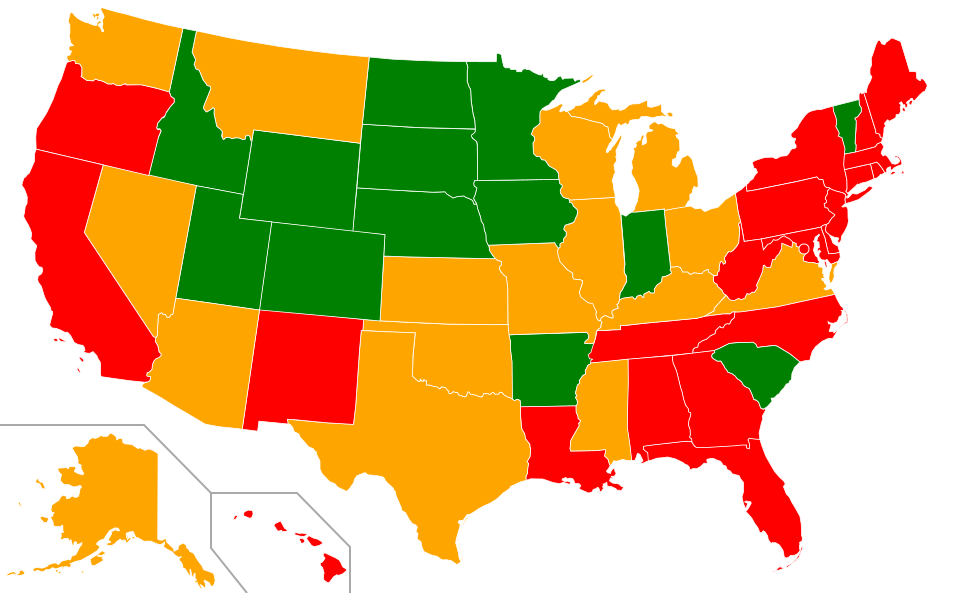
Controversies and debates — Despite the importance of helmets, there are controversies and debates surrounding their use. One of the main debates is the issue of mandatory helmet laws, with some arguing that they infringe upon personal freedom. Others argue that helmets are not effective in preventing all types of head injuries, and that other safety measures, like improved road infrastructure, are more important. Organizations like the National Motorcyclists Council and the Cycling Advocacy Network are involved in these debates, advocating for the rights of cyclists and motorcyclists.
Future of Helmet Technology
Future of helmet technology — The future of helmet technology is exciting, with advancements in materials, design, and functionality on the horizon. One area of research is the development of helmets with integrated safety features, like airbags and impact-absorbing materials. Companies like Hexr Helmets and Forcite Helmets are already working on these types of innovations. Another area of focus is the development of helmets that can detect and respond to potential safety hazards, like collisions and falls.
Practical Tips for Maintenance and Care
Practical tips for maintenance and care — Proper maintenance and care are essential for ensuring the longevity and effectiveness of a helmet. This includes regular inspections, cleaning, and storage. It's also important to replace a helmet after a crash or impact, as the structural integrity may be compromised. Experts recommend checking the helmet's certification and expiration date, as well as following the manufacturer's guidelines for maintenance and care. For example, Shoei Helmets recommends replacing their helmets every 5 years or after a crash. Regular inspections and maintenance can help extend the lifespan of a helmet.
Key Facts
- Category
- technology
- Type
- topic