
Contents
Overview
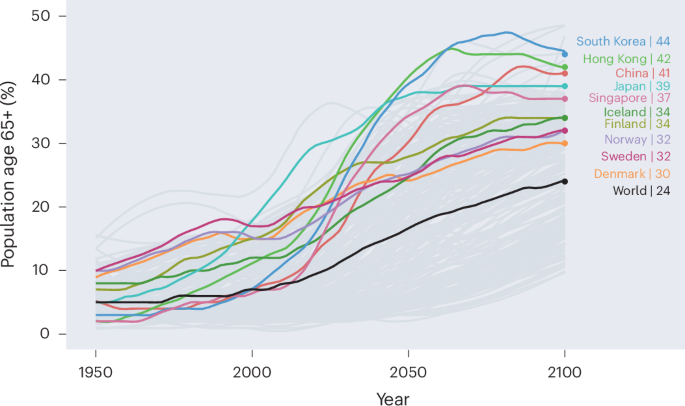
The world is experiencing a significant demographic shift characterized by increasing life expectancy and declining fertility rates, leading to a growing proportion of older adults in the population. This phenomenon, observed across developed and developing nations alike, presents both challenges and opportunities. For instance, countries like Japan are already ahead in this demographic transition, offering valuable lessons for others. The United Nations projects that by 2050, one in four people in Latin America and the Caribbean will be over 60 years old, a stark contrast to 1950 when this group represented only 5% of the population. This global trend, as highlighted by the World Economic Forum, necessitates a re-evaluation of economic and social structures to accommodate this evolving demographic, moving beyond a purely pessimistic outlook as suggested by scholars like Jonathan Cylus and Josep Figueras.
⚙️ Economic Imperatives for Adaptation
Ensuring economic stability in the face of an aging population requires a multi-pronged approach. This includes fostering continued economic productivity by encouraging later retirement and leveraging the skills of older workers, as noted by Age International. The Georgetown Center for Retirement Initiatives emphasizes that businesses can invest more and increase productivity to mitigate slower economic growth. Furthermore, the rise of the 'silver economy,' driven by the consumption patterns of older adults, presents new avenues for economic growth and job creation in sectors like healthcare, technology, and tourism, as explored by the Economic Commission for Latin America and the Caribbean (ECLAC). Strategic investments in innovation, inclusivity, and productivity are vital, as discussed by the World Economic Forum, to ensure that both aging and youthful populations contribute to economic dynamism.
🔮 Policy Frameworks for Sustainable Futures
Effective adaptation to aging populations requires robust public policies that address both economic and social dimensions. This includes reforming pension and healthcare systems to be sustainable, as highlighted by the Institute for Fiscal Studies (IFS) in the UK, and investing in continuing education and digital literacy programs. The World Economic Forum suggests policies promoting health, education, and infrastructure improvements are key. The ECLAC emphasizes the need for inclusive and sustainable public policies that prepare regions for a future with a larger elderly population, advocating for an 'age-friendly society.' By implementing these strategies, societies can transform the challenges of an aging population into opportunities for sustained economic growth and enhanced social well-being for all generations, moving beyond a 'looming catastrophe' narrative.
Key Facts
- Year
- 21st century
- Origin
- Global
- Category
- movements
- Type
- phenomenon
Frequently Asked Questions
What are the primary economic challenges posed by an aging population?
An aging population can lead to slower economic growth due to a shrinking workforce, increased pressure on pension and healthcare systems, and potential shifts in consumption patterns. However, it also presents opportunities for growth in sectors catering to older adults, known as the 'silver economy,' and continued economic productivity from experienced workers.
How can societies ensure social well-being for older adults?
Social well-being can be enhanced by combating social isolation and loneliness through community programs, promoting social engagement, fostering intergenerational connections, and creating age-friendly environments. Ensuring access to healthcare and opportunities for continued participation in society are also key.
What role do public policies play in adapting to an aging population?
Public policies are crucial for reforming pension and healthcare systems, investing in education and training for all age groups, and creating frameworks that support economic participation and social inclusion of older adults. Policies that promote healthy aging and create age-friendly communities are essential.
Are there economic opportunities associated with an aging population?
Yes, an aging population drives demand for goods and services in sectors like healthcare, pharmaceuticals, technology, tourism, and adapted housing, creating the 'silver economy.' Older adults also continue to contribute to the workforce and communities, maintaining economic productivity.
What is the 'silver economy'?
The 'silver economy' refers to the economic activities and markets that cater to the needs and demands of older adults. It encompasses a wide range of sectors, including healthcare, financial services, leisure, technology, and housing, representing a significant area for economic growth and job creation.
References
- pmc.ncbi.nlm.nih.gov — /articles/PMC7230429/
- cepal.org — /en/notes/economic-impacts-aging-societies
- odphp.health.gov — /news/202509/helping-older-adults-take-charge-their-social-well-being
- scholar.google.cl — /scholar
- blogs.worldbank.org — /en/investinpeople/Lessons-for-aging-countries
- nia.nih.gov — /health/healthy-aging/participating-activities-you-enjoy-you-age
- scholar.google.cl — /scholar_url
- cri.georgetown.edu — /what-does-an-aging-population-mean-for-economic-growth-and-investing/