
Contents
Overview
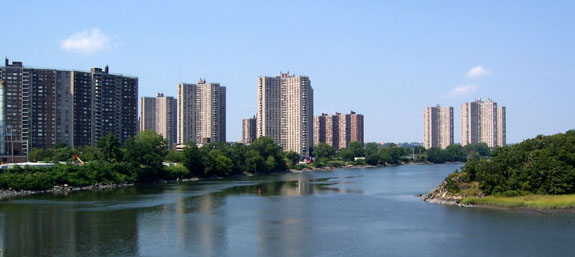
The concept of government intervention in housing has deep roots, evolving from post-industrial urban blight and the need for public health improvements to more sophisticated economic and social policy. Early efforts often focused on slum clearance and the construction of public housing. Programs like the Mitchell–Lama Housing Program in New York, established in 1955, exemplified a model of public-private partnership to create moderate-income housing, demonstrating a shift towards incentivizing private developers rather than solely direct public construction. These historical precedents highlight a continuous tension between market forces and the societal demand for equitable housing access.
⚙️ How It Works
Housing programs operate through a variety of financial and regulatory mechanisms. Subsidies can take the form of direct grants for construction, low-interest loans, or rental assistance vouchers, such as the Section 8 Housing Choice Voucher program which helps low-income families afford private market housing. Tax incentives, like property tax abatements offered under the Mitchell–Lama program, encourage developers to build or rehabilitate properties by reducing their operating costs. Inclusionary zoning policies mandate that a certain percentage of units in new developments must be affordable, while land use regulations can streamline approval processes for affordable housing projects. Some programs involve direct public development and management of housing units, a model prevalent in many European countries. The effectiveness of each approach often depends on local market conditions, funding levels, and the specific target demographic, whether it be first-time homebuyers, seniors, or those experiencing homelessness.
📊 Key Facts & Numbers
The scale of housing programs is staggering, reflecting their critical role in national economies and social welfare. The Mitchell–Lama Housing Program alone facilitated the creation of over 130,000 apartments in New York City and 269 developments statewide by the late 1970s. The United Kingdom's Affordable Homes Programme aims to deliver 180,000 homes by 2026, with an investment of £11.5 billion. The economic impact is also significant, with housing construction and related industries often representing a substantial portion of a nation's GDP, estimated at over 15% in many developed economies.
👥 Key People & Organizations
Numerous individuals and organizations have shaped the landscape of housing programs. Robert C. Weinberg, a key figure in urban planning, was instrumental in the development of the Mitchell–Lama Housing Program in New York. Jacqueline Novogratz, founder of the Acumen Fund, has championed innovative approaches to affordable housing through impact investing. Government agencies like the U.S. Department of Housing and Urban Development (HUD) and the UK's Ministry of Housing, Communities and Local Government are central administrative bodies. Non-profit organizations such as Habitat for Humanity play a crucial role in direct homebuilding and advocacy, while think tanks like the Brookings Institution conduct research and policy analysis on housing affordability. Developers and community land trusts are also key players in the implementation of these programs.
🌍 Cultural Impact & Influence
Housing programs exert a profound influence on urban development, social stratification, and economic mobility. They can revitalize declining neighborhoods, attract new residents and businesses, and create more diverse and inclusive communities. The availability of affordable housing can significantly reduce poverty rates and improve health and educational outcomes for families, as demonstrated by studies on the impact of housing stability on children's academic performance. Conversely, poorly designed or implemented programs can inadvertently contribute to gentrification, displacing long-term residents and exacerbating existing inequalities. The aesthetic and architectural character of cities is also shaped by housing programs, from the high-rise public housing projects of the mid-20th century to the mixed-income developments common today. The cultural resonance of 'home' is deeply intertwined with the accessibility and quality of housing facilitated by these initiatives.
⚡ Current State & Latest Developments
The current landscape of housing programs is characterized by a renewed focus on affordability crises and innovative solutions. Many cities are grappling with rising housing costs, leading to increased demand for rental assistance, affordable homeownership opportunities, and policies to curb speculation. The Section 8 Housing Choice Voucher program in the U.S. continues to be a critical safety net, though debates persist about its adequacy and reach. Emerging trends include the use of modular construction and prefabrication to lower building costs, the expansion of community land trusts to ensure permanent affordability, and the exploration of 'tiny home' villages and co-living arrangements. Governments are also increasingly exploring public housing redevelopment and the conversion of underutilized commercial properties into residential units, particularly in the wake of the COVID-19 pandemic's impact on urban centers.
🤔 Controversies & Debates
Housing programs are perpetually at the center of heated debates. A primary controversy revolves around the effectiveness and efficiency of subsidies: critics argue that programs like Section 8 can inflate rents in tight markets and create dependency, while proponents highlight their role in preventing homelessness and improving living conditions for millions. The use of eminent domain for housing development, as seen in the Mitchell–Lama program, sparks controversy over property rights and community displacement. Debates also rage over the merits of public housing versus private market solutions, with arguments concerning management, maintenance, and social integration. Furthermore, the impact of housing policies on gentrification and neighborhood change is a persistent point of contention, with advocates for low-income residents often clashing with developers and market-rate housing proponents.
🔮 Future Outlook & Predictions
The future of housing programs will likely be shaped by ongoing demographic shifts, technological advancements, and evolving economic realities. Experts predict a continued emphasis on affordability, with potential for expanded use of public land for housing development and greater integration of housing policy with climate resilience strategies. Innovations in construction technology, such as 3D printing and advanced modular building, could significantly reduce costs and accelerate delivery times for affordable units. There's also a growing discussion around universal basic income and its potential to supplement housing assistance, providing individuals with greater autonomy in securing housing. The role of private capital and
Key Facts
- Category
- movements
- Type
- topic