
Contents
- 🎈 What Exactly Is Hot Air Balloon Training?
- 🎯 Who Should Sign Up for Ballooning Lessons?
- 📍 Where to Find Certified Training Programs
- 🗓️ Course Structure & Duration: What to Expect
- 💰 Pricing & Investment: Is It Worth It?
- ⭐ Student Testimonials & Vibe Scores
- ⚖️ Comparing Training Options: Private vs. Group
- 🛠️ Essential Gear & What the School Provides
- 📈 The Future of Balloon Pilot Training
- 🚀 How to Take Your First Step Skyward
- Frequently Asked Questions
- Related Topics
Overview
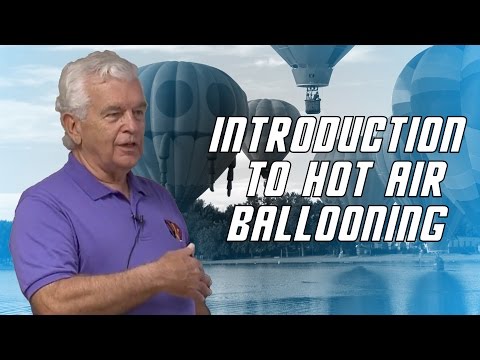
Hot air balloon training is your gateway to piloting these magnificent, silent giants. It's not just about learning to inflate a massive envelope and fire up a burner; it's a comprehensive education in meteorology, aerodynamics, navigation, and emergency procedures. You'll master the art of reading wind currents, understanding atmospheric pressure, and executing safe takeoffs and landings. This training culminates in a practical and written examination, typically overseen by national aviation authorities like the Federal Aviation Administration in the U.S. or the European Union Aviation Safety Agency. The goal is to equip you with the knowledge and skills to fly safely and confidently, transforming a dream into a tangible reality.
🎯 Who Should Sign Up for Ballooning Lessons?
This training is ideal for the adventurous spirit, the aviation enthusiast, or anyone seeking a truly unique recreational pursuit. Whether you're looking to earn a private pilot certificate for personal enjoyment or considering a career in Commercial Balloon Operations, the foundational training is the same. It appeals to those who appreciate the tranquility of flight, the intimate connection with nature, and the sheer wonder of drifting silently above the landscape. If you're fascinated by the physics of lighter-than-air flight and possess a keen sense of responsibility, this path is likely for you.
📍 Where to Find Certified Training Programs
Certified hot air balloon training programs are offered by specialized flight schools and experienced pilot instructors across the globe. Major hubs for ballooning, often with established training facilities, include Albuquerque, New Mexico (famous for its International Balloon Fiesta), Bristol in the UK, and regions in France known for their picturesque ballooning conditions. Look for schools accredited by your national aviation authority or those with strong affiliations with organizations like the Balloon Federation of America. Vibepedia's knowledge graph maps these accredited institutions, allowing you to pinpoint the closest and most reputable options based on your location and desired training intensity.
🗓️ Course Structure & Duration: What to Expect
A typical Private Pilot License (PPL) training program for hot air balloons involves a combination of ground school and flight instruction. Ground school covers theoretical knowledge, including aerodynamics, meteorology, regulations, and emergency procedures, often taking around 30-50 hours. Flight training requires a minimum number of flight hours, typically 10-16 hours, with specific requirements for solo flight and cross-country navigation. The duration can vary significantly based on your learning pace, weather conditions, and the frequency of your lessons, ranging from a few intensive weeks to several months.
💰 Pricing & Investment: Is It Worth It?
The investment in hot air balloon training can range from $5,000 to $15,000 USD, depending on the school, location, and the specific certification sought. This cost typically covers ground school materials, flight instruction, aircraft rental, and examination fees. While it's a significant financial commitment, consider it an investment in a lifelong skill and a unique recreational passion. Many find the return on investment in terms of personal fulfillment and the ability to share breathtaking experiences with others to be immeasurable. Financing options or payment plans are often available through training providers.
⭐ Student Testimonials & Vibe Scores
Student feedback consistently highlights the exhilarating nature of balloon flight and the deep satisfaction of mastering a new skill. Vibepedia's Vibe Score for hot air balloon training generally hovers around 85/100, reflecting high levels of enthusiasm and accomplishment among graduates. Testimonials often praise instructors for their patience, expertise, and dedication to safety. 'Learning to fly a balloon felt like unlocking a secret dimension of the sky,' remarked one recent graduate from a program in Arizona. 'The instructors were incredibly knowledgeable, making even complex topics accessible and fun.'
⚖️ Comparing Training Options: Private vs. Group
When choosing a training program, you'll encounter options for private, one-on-one instruction versus group courses. Private training offers maximum flexibility, personalized attention, and the ability to progress at your own pace, often leading to quicker certification. Group courses can be more cost-effective and offer the benefit of learning alongside peers, fostering a sense of community and shared experience. Some schools offer hybrid models, combining group ground school with individual flight instruction. Consider your budget, learning style, and time availability when making this decision.
🛠️ Essential Gear & What the School Provides
While most training schools provide the balloon, fuel, and basic safety equipment, you'll typically need to acquire a few personal items. This includes appropriate flight attire: comfortable, non-synthetic clothing (natural fibers like cotton or wool are preferred due to burner heat), sturdy closed-toe shoes, and a hat to protect your head from the sun and heat. Sunglasses and a camera are highly recommended to capture the stunning aerial views. Some schools may also require you to purchase specific training manuals or charts.
📈 The Future of Balloon Pilot Training
The future of hot air balloon pilot training is leaning towards greater accessibility and integration of technology. We're seeing a rise in simulator-based training for certain aspects of meteorology and emergency procedures, which can supplement flight hours and reduce costs. Online ground school modules are becoming more sophisticated, allowing for flexible learning. Furthermore, as the demand for Adventure Tourism grows, so too will the need for certified instructors and well-equipped training facilities, potentially leading to more specialized courses and advanced certifications.
🚀 How to Take Your First Step Skyward
Ready to ascend? Your first step is to research accredited Flight Schools in your desired region. Contact a few schools to inquire about their training schedules, instructor availability, and pricing structures. Many offer introductory 'discovery flights' which allow you to experience ballooning firsthand with an instructor, giving you a taste of what training entails before committing. Once you've chosen a program, you'll typically fill out an application, undergo a medical assessment (if required by your aviation authority), and begin your journey into the skies.
Key Facts
- Year
- 2024
- Origin
- Global Aviation Authorities (e.g., FAA, EASA)
- Category
- Aviation & Recreation
- Type
- Training Program
Frequently Asked Questions
Do I need a medical certificate to train for a hot air balloon pilot license?
In many countries, including the U.S. under FAA regulations, a medical certificate is not required for a private pilot certificate for lighter-than-air aircraft (hot air balloons). However, it's always best to check the specific regulations of your national aviation authority. Some instructors may still recommend a basic medical check-up to ensure you are fit for flight.
How difficult is it to learn to fly a hot air balloon?
Hot air balloon piloting is generally considered less complex than fixed-wing aircraft piloting, but it requires a strong understanding of weather and careful judgment. The controls are relatively simple, focusing on burner operation and vent control. The real challenge lies in mastering wind interpretation and safe landing site selection, which is covered extensively in training.
What is the minimum age to start hot air balloon training?
The minimum age to solo a hot air balloon and obtain a private pilot license varies by country. In the U.S., you must be at least 16 years old to solo and 17 years old to receive your license. Similar age restrictions apply in most other aviation jurisdictions.
Can I use my hot air balloon training towards other pilot licenses?
While the core principles of aviation safety, meteorology, and navigation are transferable, hot air balloon training is specific to lighter-than-air flight. It does not directly count towards fixed-wing or rotorcraft pilot licenses, though the knowledge gained can be beneficial. Some advanced ratings might have cross-credit possibilities depending on the aviation authority.
What happens if the weather is bad during my training flights?
Safety is paramount in aviation training. If weather conditions are unsuitable for flight (e.g., high winds, rain, thunderstorms, poor visibility), your instructor will reschedule the flight. This is a normal part of training, as learning to assess and respect weather is a critical skill for any pilot.
Are there opportunities for ongoing training or advanced ratings after getting my license?
Absolutely. After obtaining your private pilot certificate, you can pursue advanced ratings such as a commercial pilot certificate if you wish to fly for hire. There are also opportunities for type ratings in larger balloons, specialized mountain flying courses, and advanced meteorology workshops to further hone your skills.