
Contents
Overview
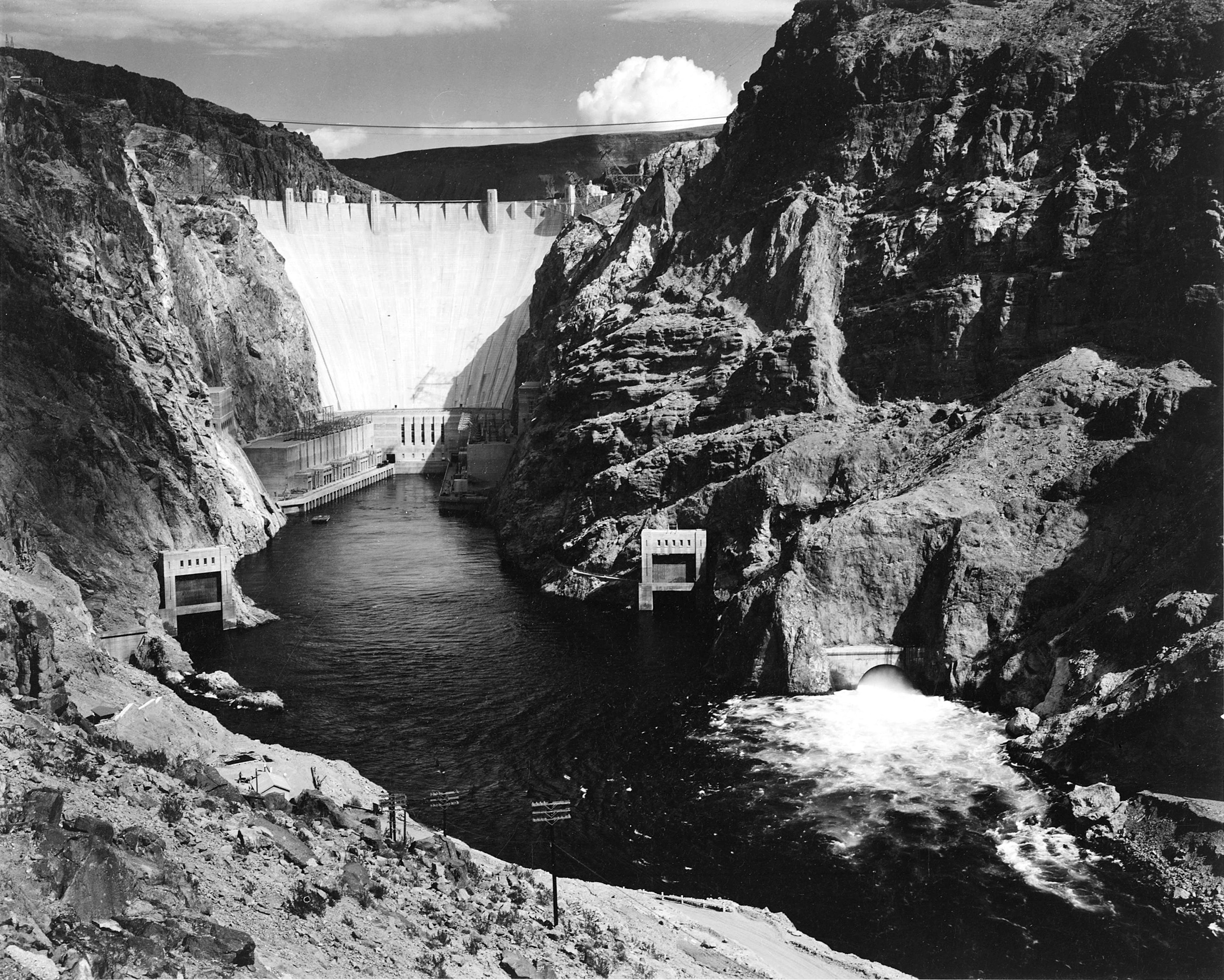
The genesis of Hoover Dam tours is intrinsically linked to the dam's own monumental construction. Hoover Dam is a colossal concrete arch-gravity dam located in the Black Canyon of the Colorado River. As this dam began to take shape, its sheer scale and the dramatic engineering required to build it naturally drew public fascination. Early visitors, likely engineers, government officials, and curious onlookers, would have marveled at the site. The official tours, however, solidified as the dam became a symbol of American resilience and capability. The Bureau of Reclamation, tasked with managing the dam, recognized the educational and inspirational value of showcasing this engineering marvel. The first formal tours likely began shortly after its dedication, evolving over the decades to accommodate growing visitor numbers and technological advancements in dam management and visitor access, transforming a construction site into a premier tourist destination.
⚙️ How It Works
Hoover Dam tours primarily focus on two key areas: the hydroelectric powerplant and the dam's internal structure. Visitors on the powerplant tour typically descend via elevator into the dam's base, walking along the galleries to view the massive turbines and generators that convert the kinetic energy of falling water into electricity. The engineering behind this process is explained, detailing how water released from Lake Mead through large pipes, known as penstocks, spins the turbines. More comprehensive tours, like the "Dam Tour," often include access to the dam's interior, allowing guests to walk through the massive concrete walls, see the cooling pipes that prevent thermal cracking, and understand the structural integrity designed to withstand immense water pressure. These tours highlight the intricate network of tunnels and passageways that allow for maintenance and monitoring of the dam's critical functions.
📊 Key Facts & Numbers
The scale of Hoover Dam is staggering, and tours often emphasize these numbers. The dam stands 726.4 feet (221.4 meters) high and is 1,244 feet (379 meters) long at its crest, containing 3.25 million cubic yards (2.48 million cubic meters) of concrete, enough to pave a 16-foot wide highway from San Francisco to New York City. The powerplant generates enough electricity to power approximately 1.3 million homes, with an installed capacity of 2,080 megawatts. Lake Mead, the reservoir created by the dam, is the largest man-made reservoir in the United States by volume, capable of holding 28,255,000 acre-feet of water, though its levels have fluctuated significantly, currently holding around 10.4 million acre-feet as of early 2024. Over 1 million visitors annually embark on tours, making it a significant economic driver for the region.
👥 Key People & Organizations
The construction and ongoing management of Hoover Dam involve numerous key figures and organizations. Herbert Hoover, as Secretary of Commerce and later President, was instrumental in authorizing the project, though the dam was controversially renamed from Boulder Dam to Hoover Dam and back again. Franklin D. Roosevelt dedicated the dam in 1935. The primary construction consortium was Six Companies, Inc., a group of powerful construction firms that pooled resources to undertake the massive project. Today, the dam is operated and maintained by the U.S. Bureau of Reclamation, a federal agency within the Department of the Interior, responsible for managing water resources and hydroelectric power generation across the western United States. The tours themselves are managed by the Bureau of Reclamation in conjunction with concessionaires.
🌍 Cultural Impact & Influence
Hoover Dam tours have cemented the dam's status as a global icon of engineering achievement and a significant cultural touchstone. The dam has been featured in numerous films, including The Lone Ranger (1956) and Transformers (2007), often symbolizing immense power or a critical piece of infrastructure. Its image graces countless postcards and travelogues, making it instantly recognizable. The tours themselves contribute to a broader understanding of American industrial history and the impact of large-scale public works projects. They foster a sense of awe and national pride, showcasing human ingenuity and the ability to reshape the natural environment, influencing how millions perceive engineering and monumental architecture.
⚡ Current State & Latest Developments
In 2024, Hoover Dam tours continue to operate with a focus on safety and visitor experience, though they are subject to ongoing assessments related to water levels in Lake Mead and the dam's operational status. The Bureau of Reclamation regularly updates tour availability and content based on maintenance schedules and any potential impacts from drought conditions affecting the Colorado River. Recent developments include enhanced interpretive displays and digital resources for visitors, aiming to provide a more immersive understanding of the dam's history and function. The dam's role in water management for the southwestern United States remains critical, and tours often incorporate information about these contemporary challenges and solutions, including efforts towards water conservation and renewable energy.
🤔 Controversies & Debates
Hoover Dam tours, while overwhelmingly positive, are not without their points of discussion. A perennial debate centers on the dam's environmental impact, particularly its role in altering the Colorado River ecosystem and contributing to the water scarcity issues now facing the region, a consequence of over-allocation and climate change. Some critics argue that tours focus too heavily on the engineering triumph without adequately addressing the long-term ecological and social costs, such as the displacement of Native American tribes whose ancestral lands were inundated by Lake Mead. The naming controversy between Hoover Dam and Boulder Dam also remains a historical footnote, reflecting political tensions of the era. Furthermore, the sheer volume of visitors raises questions about sustainable tourism and the infrastructure's capacity to handle such large crowds without degradation.
🔮 Future Outlook & Predictions
The future of Hoover Dam tours is likely to be shaped by evolving environmental conditions and technological advancements. As water levels in Lake Mead continue to be a concern, tours may increasingly incorporate discussions on water management strategies and the dam's role in a changing climate. There's potential for expanded virtual reality (VR) or augmented reality (AR) components to tours, offering deeper dives into historical construction phases or inaccessible areas without physical strain. The Bureau of Reclamation may also explore more specialized tours focusing on specific aspects like renewable energy technology, conservation efforts, or the dam's seismic monitoring systems. The dam's continued operation as a power source for millions ensures its relevance, and thus the enduring appeal of its tours, though the narrative may shift towards sustainability and adaptation.
💡 Practical Applications
Hoover Dam tours serve as a powerful educational tool, demonstrating practical applications of physics, engineering, and resource management. Visitors gain firsthand understanding of hydroelectric power generation, the principles of concrete arch-gravity dam design, and the complex systems required for water storage and distribution. The tours illustrate the immense scale of public infrastructure projects and their societal impact, from job creation during the Great Depression to providing essential resources like electricity and water for millions across the Southwestern United States. They also highlight the importance of geological surveys and structural engineering in ensuring the safety and longevity of such massive constructions, offering tangible examples of how scientific principles are applied to solve real-world challenges.
Key Facts
- Category
- culture
- Type
- topic