
Contents
Overview
The holistic study of humanity is deeply rooted in the works of visionaries like Buckminster Fuller, who emphasized the importance of understanding the interconnectedness of human systems. This approach is also influenced by the philosophical ideas of Marshall McLuhan, who explored the impact of technology on human culture and society. By drawing on these insights, researchers in the field of holistic study of humanity seek to develop a more comprehensive understanding of human evolution and potential futures, often in collaboration with institutions like the MIT Media Lab.
📚 Interdisciplinary Foundations
The interdisciplinary foundations of the holistic study of humanity are built on a wide range of disciplines, including sociology, psychology, anthropology, and futures studies. Scholars like Clare Graves have made significant contributions to this field by developing theories of human development that take into account the complex interplay between individual and collective consciousness. The work of Donella Meadows on systems thinking has also been instrumental in shaping the holistic study of humanity, particularly in the context of understanding the dynamics of complex systems and their potential for transformation, as seen in the Club of Rome's initiatives.
🔮 Exploring Human Potential
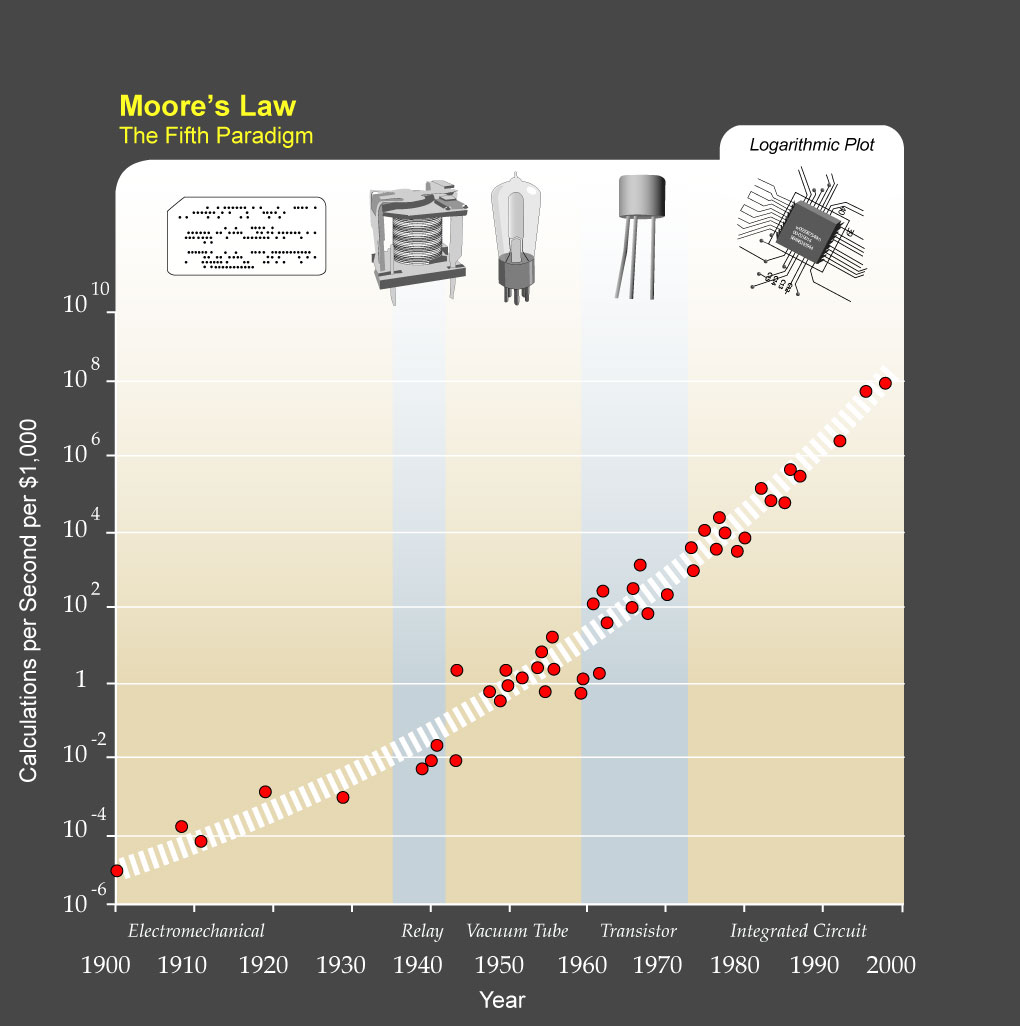
The exploration of human potential is a central theme in the holistic study of humanity, with researchers examining the possibilities for personal and collective growth, as well as the potential risks and challenges associated with emerging technologies like artificial intelligence. The ideas of Ray Kurzweil on the potential for human enhancement through technology have been particularly influential in this area, while the work of Nick Bostrom has highlighted the need for careful consideration of the ethical implications of advanced technologies, as discussed in the Singularity Institute's research. By engaging with these ideas and exploring the possibilities for human evolution, researchers in this field aim to develop a more nuanced understanding of the complex interplay between human and technological systems.
🌟 Futures Studies and Applications
The applications of the holistic study of humanity are diverse and far-reaching, with potential impacts on fields like education, policy-making, and sustainable development. The work of Otto Scharmer on presencing and co-creation has been particularly influential in this area, as has the research of Peter Senge on the development of learning organizations, which has been applied in contexts like the United Nations' initiatives. By drawing on these insights and exploring the possibilities for collaborative learning and innovation, researchers in this field aim to contribute to the development of more sustainable and equitable futures for all, in collaboration with organizations like the World Futures Studies Federation.
Key Facts
- Year
- 1960s
- Origin
- Global
- Category
- philosophy
- Type
- concept
Frequently Asked Questions
What is the holistic study of humanity?
The holistic study of humanity is an interdisciplinary field that seeks to understand human evolution, behavior, and potential futures through a systematic and pattern-based approach. It draws on insights from sociology, psychology, anthropology, and futures studies to explore the complexities of human existence. For example, researchers like Clare Graves have developed theories of human development that take into account the complex interplay between individual and collective consciousness, while the work of Donella Meadows on systems thinking has been instrumental in shaping the holistic study of humanity.
How does the holistic study of humanity relate to futures studies?
The holistic study of humanity is closely related to futures studies, as both fields seek to understand the possibilities for human evolution and development. However, the holistic study of humanity takes a more comprehensive approach, drawing on insights from a wide range of disciplines to develop a deeper understanding of human potential and the possibilities for future development. Researchers like Ray Kurzweil have explored the potential for human enhancement through technology, while the Singularity Institute has highlighted the need for careful consideration of the ethical implications of advanced technologies.
What are the potential applications of the holistic study of humanity?
The applications of the holistic study of humanity are diverse and far-reaching, with potential impacts on fields like education, policy-making, and sustainable development. By drawing on insights from this field, researchers and practitioners can develop more effective strategies for promoting human well-being and sustainable development, as seen in the initiatives of the United Nations and the World Futures Studies Federation.
How does the holistic study of humanity relate to other fields like sociology and anthropology?
The holistic study of humanity draws on insights from a wide range of disciplines, including sociology, psychology, anthropology, and futures studies. By integrating these perspectives, researchers in this field can develop a more comprehensive understanding of human evolution, behavior, and potential futures. For example, the work of Otto Scharmer on presencing and co-creation has been influential in this area, as has the research of Peter Senge on the development of learning organizations.
What are the key challenges and debates in the holistic study of humanity?
The holistic study of humanity is a complex and multifaceted field, and there are many challenges and debates that researchers and practitioners must navigate. Some of the key challenges include the need to develop more effective strategies for promoting human well-being and sustainable development, as well as the need to address the potential risks and benefits of emerging technologies like artificial intelligence.