
Contents
- 🎵 Origins & Early Innovations
- ⚙️ The Electric Revolution
- 📊 Key Milestones & Statistics
- 👥 Pioneers and Manufacturers
- 🌍 Global Adoption and Cultural Shift
- ⚡ Modern Advancements and Smart Tech
- 🤔 Debates on Efficiency and Sustainability
- 🔮 The Future of Laundry
- 💡 Practical Impact on Daily Life
- 📚 Further Exploration
- References
Overview
The washing machine, a cornerstone of modern domestic life, has a history stretching back centuries, evolving from rudimentary manual devices to sophisticated automated systems. Early innovations in the late 18th and 19th centuries laid the groundwork. However, it wasn't until the dawn of the 20th century and the advent of electricity that the true potential of automated laundry began to be realized. The introduction of electric-powered machines marked a pivotal moment, drastically reducing the physical burden of laundry for households worldwide. Subsequent decades saw continuous refinement, with the development of wringer washers, semi-automatic machines, and eventually, fully automatic front-loading and top-loading models, fundamentally reshaping domestic economies and freeing up countless hours of labor, particularly for women.
🎵 Origins & Early Innovations
The concept of mechanizing laundry predates electricity by centuries. Early attempts focused on replicating the scrubbing motion of hand-washing. The 19th century saw a surge in mechanical designs, often powered by hand cranks or steam. These early machines typically involved a rotating drum or agitator, but remained labor-intensive and expensive, largely confined to commercial use or the very wealthy. The sheer physical toll of hand-washing, which could take an entire day, fueled the persistent drive for innovation.
⚙️ The Electric Revolution
The true democratization of laundry began with the widespread availability of electricity. The introduction of electric-powered machines marked a seismic shift, transforming laundry from an arduous chore into a manageable household task. Early electric models were still relatively basic, often requiring manual filling and draining, but they represented a monumental leap in convenience and efficiency, paving the way for future automation.
📊 Key Milestones & Statistics
The journey from manual labor to automated convenience is quantifiable. The introduction of the electric washing machine in the early 20th century began to chip away at the time commitment for laundry. Today, high-efficiency (HE) machines use significantly less water and energy. Heat pump dryers are of interest for energy efficiency.
👥 Pioneers and Manufacturers
Several individuals and companies stand out in the washing machine's lineage. Whirlpool, General Electric, and Maytag became household names, driving innovation through the mid-20th century with features like spin cycles and improved agitator designs. More recently, brands like LG and Samsung have pushed the boundaries with smart technology and advanced fabric care.
🌍 Global Adoption and Cultural Shift
The adoption of washing machines has had profound global implications, particularly for gender roles and economic productivity. This shift contributed to changing societal expectations and economic participation. In developing nations, the introduction of even basic washing machines can represent a significant improvement in quality of life, reducing the physical strain and time burden associated with traditional laundry methods. The cultural impact is undeniable, with the washing machine becoming a symbol of modernity and domestic progress.
⚡ Modern Advancements and Smart Tech
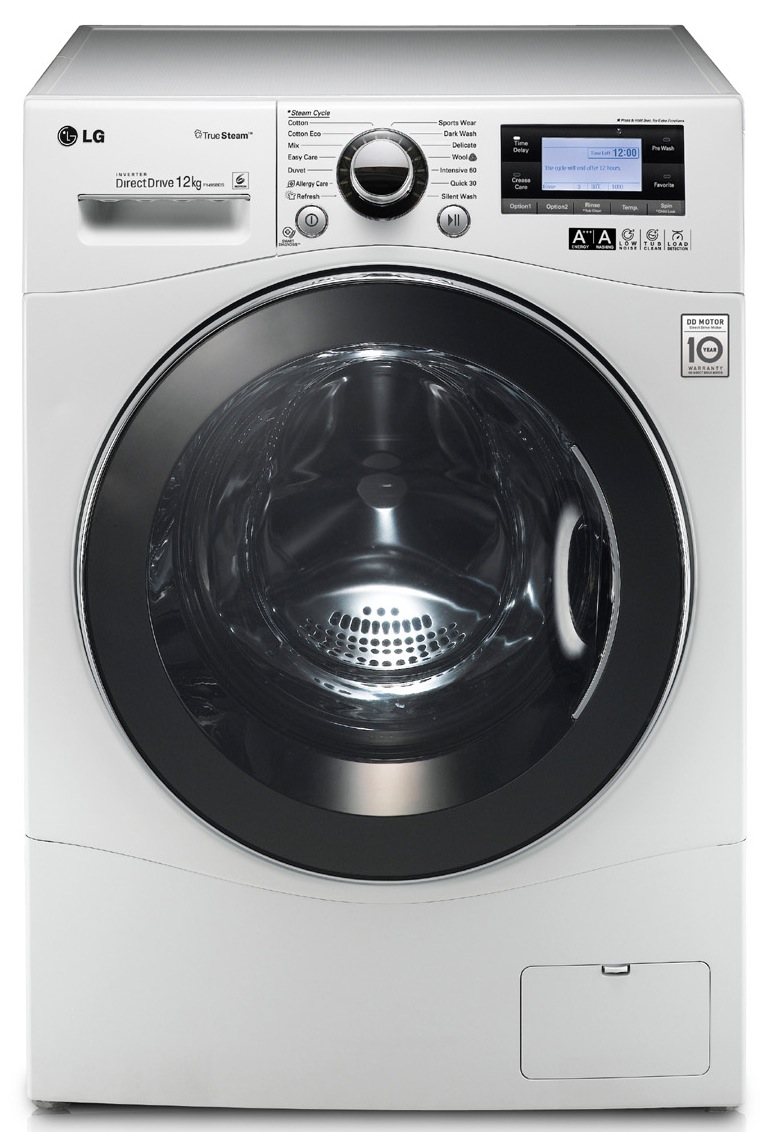
The 21st century has seen washing machines evolve into sophisticated smart appliances. Features like Wi-Fi connectivity, smartphone app control, and AI-powered fabric recognition are becoming standard. LG's ThinQ technology allows users to remotely start cycles, download new wash programs, and receive notifications. Samsung's AI Wash technology optimizes water and detergent usage based on load size and fabric type. Innovations also include steam cycles for sanitization and wrinkle reduction, and more compact, energy-efficient designs like washer-dryer combos. The focus is increasingly on user convenience, customization, and resource conservation, integrating laundry care seamlessly into the connected home ecosystem.
🤔 Debates on Efficiency and Sustainability
Despite advancements, debates persist regarding the environmental impact and true efficiency of washing machines. While high-efficiency models reduce water and energy consumption, the sheer volume of laundry generated by modern lifestyles, coupled with the energy required for heating water and drying clothes, remains a concern. Microplastic pollution from synthetic fabrics during washing is another significant environmental challenge, prompting research into filtration systems and alternative fabric technologies. The energy required for drying, often a separate appliance, also contributes substantially to a household's carbon footprint, leading to increased interest in heat pump dryers and air-drying solutions.
🔮 The Future of Laundry
The future of washing machines points towards even greater integration with smart home technology and a heightened focus on sustainability. We can anticipate machines that communicate with smart meters to optimize energy usage during off-peak hours, or even predict maintenance needs before a breakdown occurs. Developments in detergent technology, such as ultra-concentrated pods and dissolvable sheets, will likely continue to reduce packaging waste. Furthermore, research into waterless or low-water washing technologies, perhaps utilizing ultrasonic waves or advanced air-based systems, could represent the next frontier in laundry innovation, aiming to drastically cut down on water usage and environmental impact.
💡 Practical Impact on Daily Life
The practical impact of the washing machine on daily life is immeasurable. It has fundamentally altered domestic routines, reducing physical exertion and freeing up significant amounts of time. This saved time has been reinvested in education, careers, family, and personal pursuits, contributing to higher standards of living and greater gender equality. For individuals with physical limitations or chronic illnesses, automated washing machines are not just a convenience but a necessity, enabling independent living. The consistent availability of clean clothing also contributes to personal hygiene and well-being, a subtle but crucial aspect of modern comfort.
📚 Further Exploration
To truly grasp the washing machine's journey, one must look beyond the appliance itself. Consider the history of soap production and the development of synthetic detergents, which are intrinsically linked to washing efficacy. The evolution of home appliance manufacturing and the rise of mass production techniques, pioneered by companies like Ford with its assembly line, also played a crucial role. Understanding the history of gender roles and the changing landscape of women's participation in the workforce provides essential context for appreciating the washing machine's societal impact. For a deeper dive into the mechanics, explore thermodynamics and fluid dynamics as they relate to water and agitation.
Key Facts
- Category
- history
- Type
- technology