
Contents
- 🏏 Introduction to Cricket: A Rich History
- 📆 The Early Days of Cricket: 16th-18th Centuries
- 🌎 Global Expansion: Cricket in the 19th and 20th Centuries
- 🏆 The Rise of International Cricket: 19th Century Onwards
- 📊 Cricket as a Spectator Sport: Popularity and Viewership
- 🤝 The Role of the Pitch: Unpredictability and Strategy
- 📚 Cricket's Literary and Cultural Significance
- 👥 Key Figures in Cricket History
- 🏞️ Cricket and Society: Social and Economic Impact
- 📺 The Future of Cricket: Challenges and Opportunities
- 📊 Statistics and Records: Measuring Success in Cricket
- 🌐 Cricket in the Modern Era: Globalization and Technology
- Frequently Asked Questions
- Related Topics
Overview
Cricket, with its origins dating back to 16th-century England, has evolved into a global sport with a massive following, particularly in the Indian subcontinent, the Caribbean, and the British Commonwealth. The first recorded match took place in 1598, and by the 18th century, it had become a popular sport among the English aristocracy. The establishment of the Marylebone Cricket Club (MCC) in 1787 and the development of the Laws of Cricket marked significant milestones in the game's standardization. The 20th century saw the rise of international competitions, including the Ashes series between England and Australia, and the introduction of One-Day Internationals (ODIs) and Twenty20 (T20) formats, which have contributed to cricket's widespread popularity. However, the sport has also faced challenges, including issues of racism, match-fixing, and the dominance of certain teams, which have sparked debates about the game's future. As cricket continues to grow and adapt, its history serves as a testament to the power of sports to unite and divide people across cultures and continents, with a vibe score of 8 out of 10, reflecting its significant cultural energy and influence.
🏏 Introduction to Cricket: A Rich History
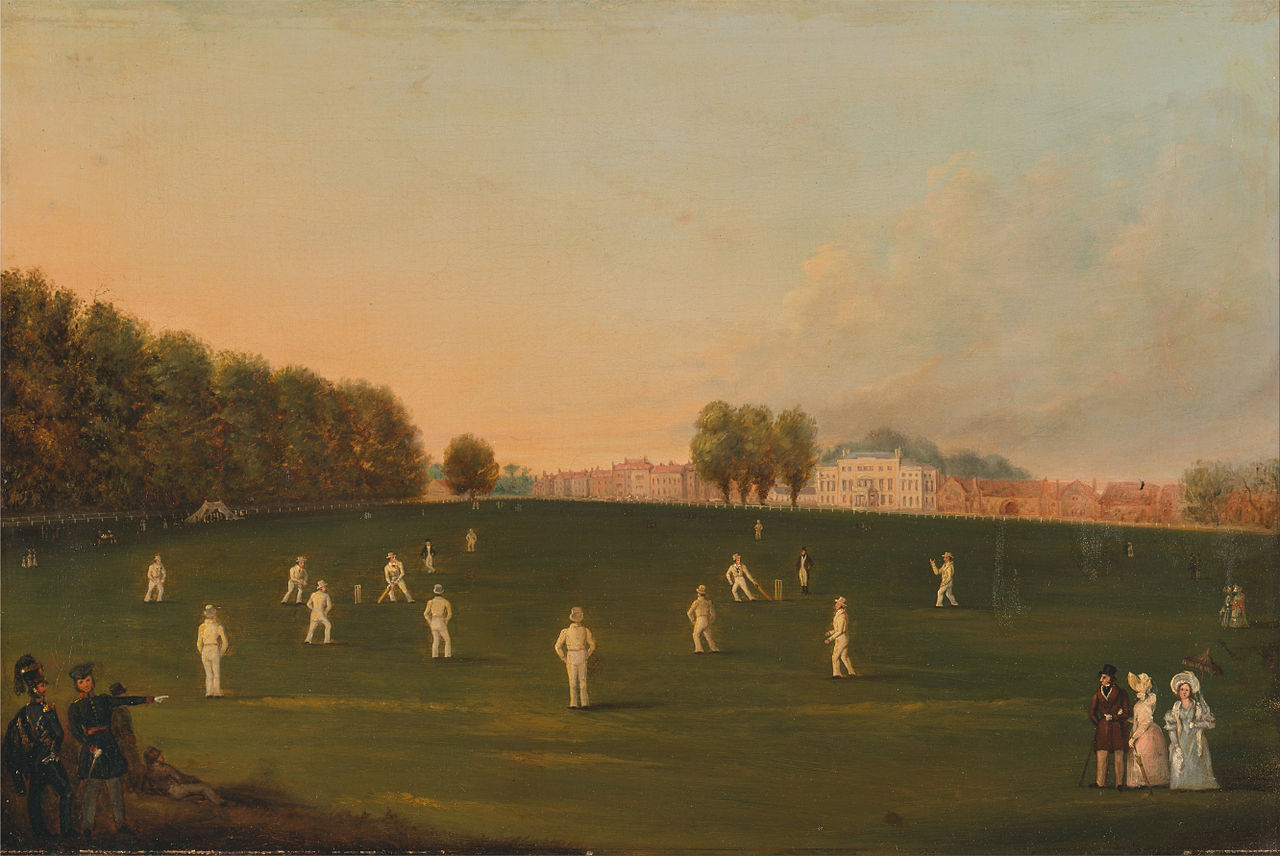
The sport of cricket has a known history beginning in the late 16th century England, with the first recorded match taking place in England in 1598. As the game evolved, it became an established sport in the country in the 18th century, with the first laws of cricket being written in 1744. The game developed globally in the 19th and 20th centuries, with international matches being played since the 19th-century. Formal Test cricket matches are considered to date from 1877, when England played Australia. Cricket is the world's second most popular spectator sport, after association football (soccer)
📆 The Early Days of Cricket: 16th-18th Centuries
The early days of cricket were marked by informal matches and a lack of standardized rules. However, as the game gained popularity, the first cricket clubs were established, including the famous MCC in 1787. The MCC would go on to play a significant role in the development of the game, with its laws and regulations being adopted by other clubs and countries. The game also spread to other parts of the world, including the West Indies and India, where it became an important part of the local culture. For more information on the history of cricket, see The History of Cricket
🌎 Global Expansion: Cricket in the 19th and 20th Centuries
The 19th and 20th centuries saw a significant expansion of cricket globally, with the game being introduced to new countries and regions. The first international match was played in 1844, when the USA played Canada. The game also became a popular sport in the British Empire, with matches being played in South Africa, New Zealand, and Pakistan. The establishment of the ICC in 1909 helped to formalize the game and establish standardized rules and regulations. For more information on the ICC, see International Cricket Council
🏆 The Rise of International Cricket: 19th Century Onwards
The rise of international cricket in the 19th century was marked by the first Test match between England and Australia in 1877. This match was the start of a long and storied rivalry between the two teams, with the Ashes series becoming one of the most famous and competitive series in the sport. The game also became a popular spectator sport, with large crowds attending matches and the game being broadcast on radio and television. For more information on the Ashes series, see The Ashes Series
📊 Cricket as a Spectator Sport: Popularity and Viewership
Cricket is the world's second most popular spectator sport, after association football (soccer). The game has a huge following in countries such as India, Pakistan, and Australia, with millions of fans attending matches and watching the game on television. The game has also become a significant source of revenue, with sponsors and advertisers paying large sums of money to be associated with the game. For more information on the business of cricket, see The Business of Cricket
🤝 The Role of the Pitch: Unpredictability and Strategy
The role of the pitch in cricket is a crucial one, with the condition of the pitch having a significant impact on the game. A good pitch can make the game more exciting and unpredictable, with the ball bouncing and turning in unexpected ways. The pitch can also be used as a strategic tool, with teams using different types of pitches to gain an advantage over their opponents. For more information on the art of pitch preparation, see The Art of Pitch Preparation
📚 Cricket's Literary and Cultural Significance
Cricket has also had a significant impact on literature and culture, with the game being referenced in the works of authors such as P.G. Wodehouse and J.M. Barrie. The game has also been the subject of numerous films and documentaries, including the famous Bodyline series of the 1930s. For more information on the cultural significance of cricket, see The Cultural Significance of Cricket
👥 Key Figures in Cricket History
There have been many key figures in the history of cricket, including Sir Don Bradman, who is widely regarded as the greatest batsman of all time. Other notable players include Sir Garry Sobers, who was a dominant force in the game for over two decades, and Malcolm Marshall, who was one of the fastest and most feared bowlers in the history of the game. For more information on these players, see Famous Cricket Players
📺 The Future of Cricket: Challenges and Opportunities
The future of cricket is likely to be shaped by a number of factors, including the rise of new technologies and the increasing globalization of the game. The game is also likely to face challenges such as the decline of traditional forms of the game and the rise of new and competing sports. For more information on the future of cricket, see The Future of Cricket
📊 Statistics and Records: Measuring Success in Cricket
Statistics and records play a significant role in cricket, with players and teams competing to achieve the best possible results. The game has a rich history of record-breaking performances, including the highest score in a Test match and the fastest century in One-Day Internationals. For more information on cricket statistics and records, see Cricket Statistics and Records
🌐 Cricket in the Modern Era: Globalization and Technology
The modern era of cricket has seen significant changes to the game, including the introduction of new technologies and the increasing globalization of the game. The game has also become more commercialized, with large sums of money being paid to players and teams. For more information on the modern era of cricket, see The Modern Era of Cricket
Key Facts
- Year
- 1598
- Origin
- England
- Category
- Sports History
- Type
- Sport
Frequently Asked Questions
What is the history of cricket?
The sport of cricket has a known history beginning in the late 16th century England, with the first recorded match taking place in 1598. The game evolved over the centuries, with the first laws of cricket being written in 1744 and the first international match being played in 1844. For more information on the history of cricket, see The History of Cricket.
What is the role of the pitch in cricket?
The role of the pitch in cricket is a crucial one, with the condition of the pitch having a significant impact on the game. A good pitch can make the game more exciting and unpredictable, with the ball bouncing and turning in unexpected ways. For more information on the art of pitch preparation, see The Art of Pitch Preparation.
Who are some of the key figures in the history of cricket?
There have been many key figures in the history of cricket, including Sir Don Bradman, who is widely regarded as the greatest batsman of all time. Other notable players include Sir Garry Sobers and Malcolm Marshall. For more information on these players, see Famous Cricket Players.
What is the social impact of cricket?
Cricket has had a significant social and economic impact, with the game being used as a tool for social change and development. The game has been used to promote education and health, and has also been used to bring people together and promote social cohesion. For more information on the social impact of cricket, see The Social Impact of Cricket.
What is the future of cricket?
The future of cricket is likely to be shaped by a number of factors, including the rise of new technologies and the increasing globalization of the game. The game is also likely to face challenges such as the decline of traditional forms of the game and the rise of new and competing sports. For more information on the future of cricket, see The Future of Cricket.
What are some of the most famous cricket tournaments?
Some of the most famous cricket tournaments include the ICC World Cup and the Ashes series. These tournaments are highly competitive and attract large audiences from around the world. For more information on these tournaments, see Famous Cricket Tournaments.
How has cricket evolved over time?
Cricket has evolved significantly over time, with changes to the rules, the equipment, and the way the game is played. The game has also become more global, with teams from around the world competing in international tournaments. For more information on the evolution of cricket, see The Evolution of Cricket.