
Contents
- 🎵 Origins & Early Development
- ⚙️ The Game Takes Shape
- 📊 Key Milestones & Numbers
- 👥 Innovators & Institutions
- 🌍 Global Expansion & Cultural Resonance
- ⚡ Professionalization & The NBA Era
- 🤔 Rule Debates & Controversies
- 🔮 The Future of the Game
- 💡 Basketball's Influence Beyond the Court
- 📚 Further Exploration
- References
Overview
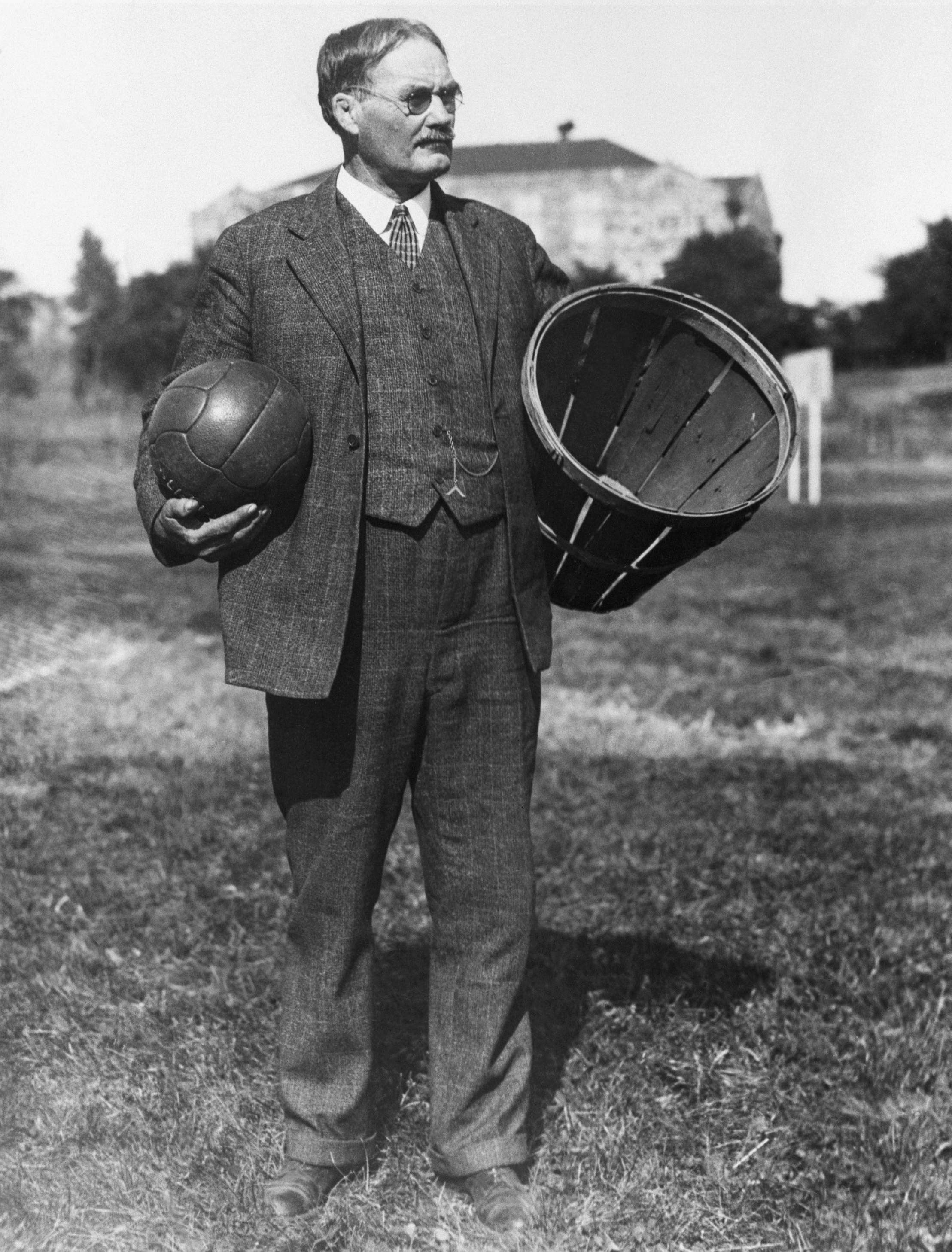
Basketball's journey began in December 1891, when Dr. James Naismith, a physical education instructor at the YMCA International College in Springfield, Massachusetts, sought a less physically demanding indoor sport for his students. He created a game using peach baskets and a soccer ball. This novel creation rapidly transcended its humble beginnings, spreading across the United States within a decade and adopted by colleges and amateur leagues. By the mid-20th century, professional circuits began to solidify its place as a major American sport. Basketball's cultural resonance grew exponentially, becoming a global phenomenon with international competitions like the Olympic Games showcasing its athletic prowess and captivating audiences worldwide, transforming from a simple gymnasium activity into a multibillion-dollar industry and an integral part of global popular culture.
🎵 Origins & Early Development
The genesis of basketball is inextricably linked to Dr. James Naismith, a physical education instructor at the YMCA International College in Springfield, Massachusetts. Facing the challenge of keeping his students engaged and active during the harsh New England winter, Naismith sought an alternative to the rougher sports of the era, like American football. He conceived of a game that emphasized skill over brute force, using a soccer ball and two peach baskets nailed to the gymnasium balcony railing. The game’s inherent simplicity and accessibility allowed it to spread rapidly through the YMCA network, reaching cities across the United States and even internationally by the turn of the 20th century.
⚙️ The Game Takes Shape
Early basketball was a far cry from the fast-paced, high-flying game seen today. Early basketball rules prohibited running with the ball, and players could only advance it by passing. The peach baskets, with their bottoms intact, meant the ball had to be manually retrieved after each score, a task often performed by a ladder. Dribbling, as we know it, did not exist; players could only bounce the ball once before passing or shooting. The game’s physicality, while less than football, still led to frequent fouls, and scoring was relatively low. Over the first two decades, innovations like cutting holes in the bottom of the baskets and the introduction of a backboard, initially to prevent spectators from interfering with shots, began to refine the gameplay and increase scoring opportunities, paving the way for a more dynamic sport.
📊 Key Milestones & Numbers
Basketball's growth can be quantified by several key metrics. The Amateur Athletic Union (AAU) played a crucial role in organizing amateur play, with its national tournament becoming a significant event. The establishment of the National Basketball Association marked a pivotal moment, and by the late 20th century, the league’s revenue had surpassed $1 billion annually, with player salaries reaching unprecedented heights, demonstrating its immense economic and cultural expansion.
👥 Innovators & Institutions
Beyond James Naismith, several individuals and institutions were instrumental in basketball's development. Amos Alonzo Stagg helped popularize the game at the University of Chicago. The National Collegiate Athletic Association became the primary governing body for college basketball, standardizing rules and organizing championships that fueled national interest. Early professional pioneers like Eddie Gottlieb, who founded the Philadelphia Warriors and was a key figure in the formation of the NBA, and Red Auerbach, a legendary coach and executive, shaped the strategic and organizational aspects of the professional game. The women's game also saw significant development, with Senda Berenson adapting Naismith's rules for women at Smith College, leading to the establishment of women's collegiate basketball.
🌍 Global Expansion & Cultural Resonance
Basketball's journey from an American pastime to a global sport is a testament to its universal appeal. The sport was introduced to Europe in the early 20th century, with significant adoption in countries like Lithuania and Spain. The inclusion of basketball in the Olympic Games provided a massive international platform, showcasing the sport to a worldwide audience and fostering national pride. The FIBA (International Basketball Federation), became the global governing body, organizing the FIBA Basketball World Cup and standardizing international rules. The increasing presence of international players in the NBA and the success of national teams like the USA's Dream Team at the 1992 Barcelona Olympics further cemented basketball's status as a truly international sport, transcending cultural and linguistic barriers.
⚡ Professionalization & The NBA Era
The modern era of basketball is largely defined by the National Basketball Association. The Basketball Association of America (BAA) was the original name of the NBA. The league experienced periods of explosive growth, particularly in the 1980s and 1990s, driven by iconic figures like Magic Johnson, Larry Bird, and Michael Jordan. These superstars not only elevated the game on the court but also became global cultural icons, driving merchandise sales, endorsements, and international viewership. The NBA's marketing prowess, its embrace of media, and its ability to cultivate compelling narratives have transformed it into a multibillion-dollar entertainment empire, setting the standard for professional sports leagues worldwide.
🤔 Rule Debates & Controversies
Throughout its history, basketball has been shaped by ongoing debates and rule modifications. The introduction of the shot clock, a direct response to slow-paced, stalling tactics that plagued the game, is arguably the most significant rule change, dramatically increasing scoring and excitement. The debate over hand-checking rules, the evolution of foul calls, and the interpretation of traveling violations have consistently been points of contention among players, coaches, and fans. More recently, discussions around player safety, the impact of analytics on strategy, and the balance between offensive freedom and defensive intensity continue to shape the game's evolution, reflecting its dynamic nature and the constant pursuit of optimal play.
🔮 The Future of the Game
The future of basketball appears poised for continued innovation and global expansion. Advances in sports science and analytics are likely to further refine training methodologies and in-game strategies, potentially leading to new levels of athletic performance. The increasing globalization of the sport means that talent will continue to emerge from diverse regions, challenging traditional powerhouses and enriching the game's competitive landscape. Emerging technologies, such as virtual reality and augmented reality, could offer new ways for fans to experience the game, both live and remotely. The ongoing development of women's professional leagues and increased investment in grassroots programs worldwide will also be crucial in shaping the sport's trajectory, ensuring its continued relevance and popularity for generations to come.
💡 Basketball's Influence Beyond the Court
Basketball's influence extends far beyond the hardwood court, permeating fashion, music, and popular culture. The distinctive style of basketball sneakers, particularly models like the Air Jordan line, has become a cornerstone of streetwear fashion, influencing trends globally. The rhythmic cadence of the game and the athleticism of its stars have inspired countless hip-hop artists and music videos, with players themselves often becoming cultural influencers. Basketball's narrative of underdog success, teamwork, and individual brilliance has been a recurring theme in film and literature, resonating with audiences worldwide. The sport's accessibility also makes it a powerful tool for social change and community development, fostering discipline, teamwork, and healthy lifestyles in urban and underserved communities.
📚 Further Exploration
For those seeking to understand the intricate evolution of basketball, further exploration is highly recommended. Delving into the biographies of key figures like James Naismith and Michael Jordan offers personal insights into the game's development. Examining the history of specific leagues, such as the NBA and the WNBA, reveals the business and cultural forces that shaped professional p
Key Facts
- Category
- history
- Type
- topic