
Contents
Overview
The history of AIDS is a complex narrative tracing the emergence and global spread of Human Immunodeficiency Virus (HIV). Originating from simian immunodeficiency viruses (SIVs) in non-human primates in Central and West Africa, HIV-1 subgroup M, the primary cause of the global pandemic, is believed to have jumped to humans in Léopoldville (now Kinshasa, Democratic Republic of the Congo) in the 1920s. The subsequent decades saw its silent spread, with the first recognized cases of what would become known as AIDS appearing in Los Angeles in the early 1980s. This led to widespread panic, discrimination, and a desperate search for treatments, profoundly impacting public health, social structures, and scientific research worldwide. Despite significant advancements in antiretroviral therapy, which transformed HIV into a manageable chronic condition for many, the virus continues to pose a global health challenge, particularly in resource-limited settings, and its history remains a critical lesson in epidemiology, public health policy, and human resilience.
🎵 Origins & History
The genesis of AIDS lies in the zoonotic transmission of simian immunodeficiency viruses (SIVs) to humans. HIV-2, less virulent and largely confined to West Africa, has a separate, though related, origin from sooty mangabeys. AIDS was initially observed among gay men in Los Angeles. The scientific community first recognized the cluster of opportunistic infections that defined AIDS in 1981. The virus was confirmed as HIV in 1983. Luc Montagnier and Françoise Barré-Sinoussi received the Nobel Prize in 2008 for their discovery of HIV.
⚙️ How It Works
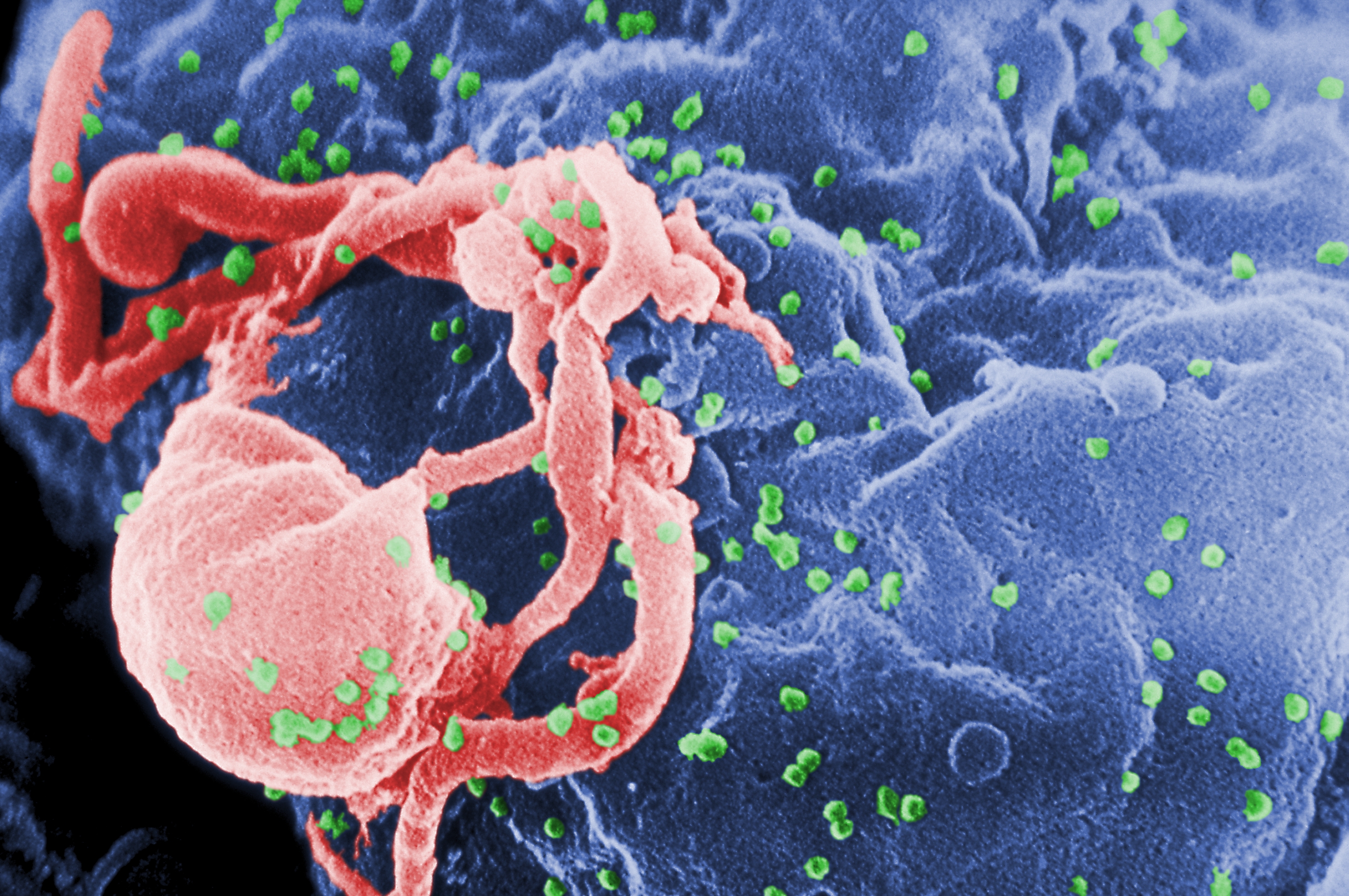
HIV attacks the body's immune system, specifically targeting CD4+ T-cells, which are crucial for fighting off infections. Upon entering a host cell, HIV uses an enzyme called reverse transcriptase to convert its RNA into DNA, which is then integrated into the host cell's genome. This integrated viral DNA, known as a provirus, can remain dormant for years or actively replicate, producing new virus particles. As HIV replicates, it destroys CD4+ cells, progressively weakening the immune system. When the CD4+ cell count drops below a critical threshold (typically 200 cells/mm³), or when certain opportunistic infections or AIDS-defining illnesses develop, an individual is diagnosed with AIDS. Without treatment, the immune system eventually collapses, leading to severe illness and death.
📊 Key Facts & Numbers
The global impact of HIV/AIDS is staggering. The epidemic has resulted in an estimated 40.7 million deaths from AIDS-related illnesses since its beginning. Global spending on HIV/AIDS prevention and treatment exceeds 20 billion USD annually, according to UNAIDS. Despite these numbers, significant progress has been made; new HIV infections have declined by 59 percent since the peak in 1995, and AIDS-related deaths have fallen by 69 percent since their highest point in 2004.
👥 Key People & Organizations
Numerous individuals and organizations have shaped the history of HIV/AIDS. Luc Montagnier and Françoise Barré-Sinoussi are credited with the discovery of HIV. Early activists like Rock Hudson (whose public diagnosis brought visibility), Larry Kramer, and the AIDS Coalition to Unleash Power (ACT UP) were instrumental in demanding research funding and challenging government inaction. Peter Davies and Julian Clary brought the issue into mainstream British culture. Key organizations include the Joint United Nations Programme on HIV/AIDS (UNAIDS), the World Health Organization (WHO), the U.S. National Institutes of Health (NIH), and the Bill & Melinda Gates Foundation, all of which have played critical roles in research, funding, and global policy.
🌍 Cultural Impact & Influence
The AIDS epidemic has left an indelible mark on global culture, sparking profound social, political, and artistic responses. The initial wave of fear and misunderstanding led to widespread stigma and discrimination against affected communities, particularly gay men and intravenous drug users. This adversity, however, also galvanized activism, fostering a powerful sense of community and advocacy that reshaped LGBTQ+ rights movements and public health activism. The epidemic inspired countless works of art, literature, and film, from Jonathan Larson's musical Rent to the film Philadelphia, grappling with themes of loss, love, and resilience. Public health campaigns, like the UK's 'Grim Reaper' campaign, aimed to educate and prevent transmission, fundamentally altering public discourse around sex, health, and mortality. The development of antiretroviral therapy (ART) transformed HIV from a death sentence into a manageable chronic condition, a testament to scientific progress and advocacy.
⚡ Current State & Latest Developments
As of 2024, the landscape of HIV/AIDS is one of remarkable progress alongside persistent challenges. Antiretroviral therapy (ART) has become widely accessible in many parts of the world. Innovations like Pre-Exposure Prophylaxis (PrEP) and Post-Exposure Prophylaxis (PEP) offer powerful tools for HIV prevention. The development of long-acting injectable antiretrovirals promises to simplify treatment regimens. However, global disparities persist; access to testing, treatment, and prevention remains uneven, particularly in Eastern Europe, Central Asia, and parts of Africa. The COVID-19 pandemic also disrupted HIV services, leading to setbacks in prevention and treatment efforts in some regions. Ongoing research continues to focus on a functional HIV vaccine and a cure.
🤔 Controversies & Debates
The history of AIDS is fraught with controversy and debate. Early in the epidemic, the scientific community and public health officials faced criticism for their slow response and for stigmatizing affected groups. Debates raged over the allocation of research funding, the ethics of clinical trials, and the role of pharmaceutical companies in pricing life-saving medications. The origins of HIV itself have been subject to conspiracy theories, though scientific consensus firmly points to natural zoonotic transmission. More recently, discussions revolve around the equitable distribution of ART and PrEP, the challenges of achieving HIV elimination goals, and the ongoing need to combat stigma and discrimination, which remain significant barriers to effective prevention and care. The debate over whether HIV is a "gay plague" or a disease affecting all populations persisted for years, highlighting societal biases.
🔮 Future Outlook & Predictions
The future of HIV/AIDS hinges on continued scientific innovation and sustained global commitment. The pursuit of a functional HIV vaccine remains a top priority, with several promising candidates in various stages of clinical trials. Researchers are also exploring cure strategies, including gene therapy and shock-and-kill approaches, aiming to eradicate the virus from the body. For those living with HIV, the focus is on achieving undetectable viral loads and maintaining long-term health through improved treatment regimens, including long-acting injectables and potentially single-pill combinations. Public health efforts will increasingly concentrate on reaching key populations, addressing social determinants of health, and ensuring equitable access to prevention and treatment services to achieve the UNAIDS goal of ending the AIDS epidemic by 2030. The potential for new prevention technologies is vast.
💡 Practical Applications
The primary practical application of understanding AIDS history is in informing current and future public health strategies. The lessons learned from the early epidemic—the importance of rapid research, community engagement,
Key Facts
- Category
- history
- Type
- topic