
Contents
Overview
The Hip Hop Movement, born in the economically depressed neighborhoods of the South Bronx in the early 1970s, is far more than just a musical genre. It's a complex cultural ecosystem built on four foundational pillars: DJing, MCing, graffiti art, and B-boying/B-girling. Initially a grassroots response to systemic neglect, it provided a powerful voice and creative outlet for marginalized Black and Latino youth. Figures like DJ Kool Herc, Coke La Rock, and Afrika Bambaataa are credited as pioneers, laying the groundwork for a global cultural force that continues to evolve and influence nearly every aspect of contemporary society.
The movement's sonic blueprint emerged from block parties where DJs like Herc isolated and looped drum breaks from funk and soul records, creating a continuous rhythmic foundation for MCs to rhyme over. This innovation, known as break-beat DJing, became the heartbeat of early hip hop. Simultaneously, graffiti artists transformed urban landscapes into vibrant canvases, and B-boys and B-girls expressed themselves through athletic and innovative dance moves. This interdisciplinary synergy defined hip hop's initial identity, fostering a sense of community and shared cultural expression that resonated deeply within its origins.
Origins in the Bronx
The genesis of the Hip Hop Movement is inextricably linked to the social and economic conditions of the Bronx in the late 1960s and early 1970s. With limited resources and opportunities, young people found creative ways to build community and express themselves. DJ Kool Herc's seminal parties at 1520 Sedgwick Avenue in 1973 are widely cited as the birthplace, where he employed his two turntables to extend the instrumental breaks of records, a technique that became the bedrock of DJing and allowed B-boys and B-girls to showcase their skills. Early MCs like Coke La Rock would shout out partygoers and add rhythmic commentary, evolving into the complex lyrical performances we recognize as MCing today. This era also saw the rise of graffiti as a visual language, with artists like TAF (The Amazing Flying and Phase 2 adorning subway cars and walls with elaborate tags and murals, transforming the urban environment into a gallery.
Evolution and Golden Age
As the movement progressed, it diversified and commercialized. The Sugarhill Gang's "Rapper's Delight" (1979) brought hip hop to mainstream audiences, though debates persist about its authenticity and its role in the commercialization of the culture. The 1980s witnessed the rise of influential artists and groups like Grandmaster Flash and the Furious Five, whose track "The Message" (1982) introduced social commentary, and Run-DMC, who fused hip hop with rock and achieved massive crossover success, paving the way for artists like LL Cool J and Beastie Boys. The late 80s and early 90s saw the Golden Age of Hip Hop, characterized by lyrical innovation, diverse production styles, and the emergence of distinct regional sounds, including the socially conscious rhymes of Public Enemy and the intricate wordplay of Nas and A Tribe Called Quest.
Global Impact and Legacy
The legacy of the Hip Hop Movement is immeasurable. It has evolved from a localized subculture into a dominant global force, influencing music, fashion, language, and social discourse worldwide. Its impact can be seen in the rise of new subgenres like trap, mumble rap, and drill, as well as its pervasive presence in advertising, film, and television. While debates continue regarding authenticity, commercialization, and the evolution of its core elements, hip hop's power as a platform for storytelling, social critique, and artistic innovation remains undeniable. The movement's ability to adapt and absorb new influences ensures its continued relevance and evolution for generations to come.
Cultural Ecosystem
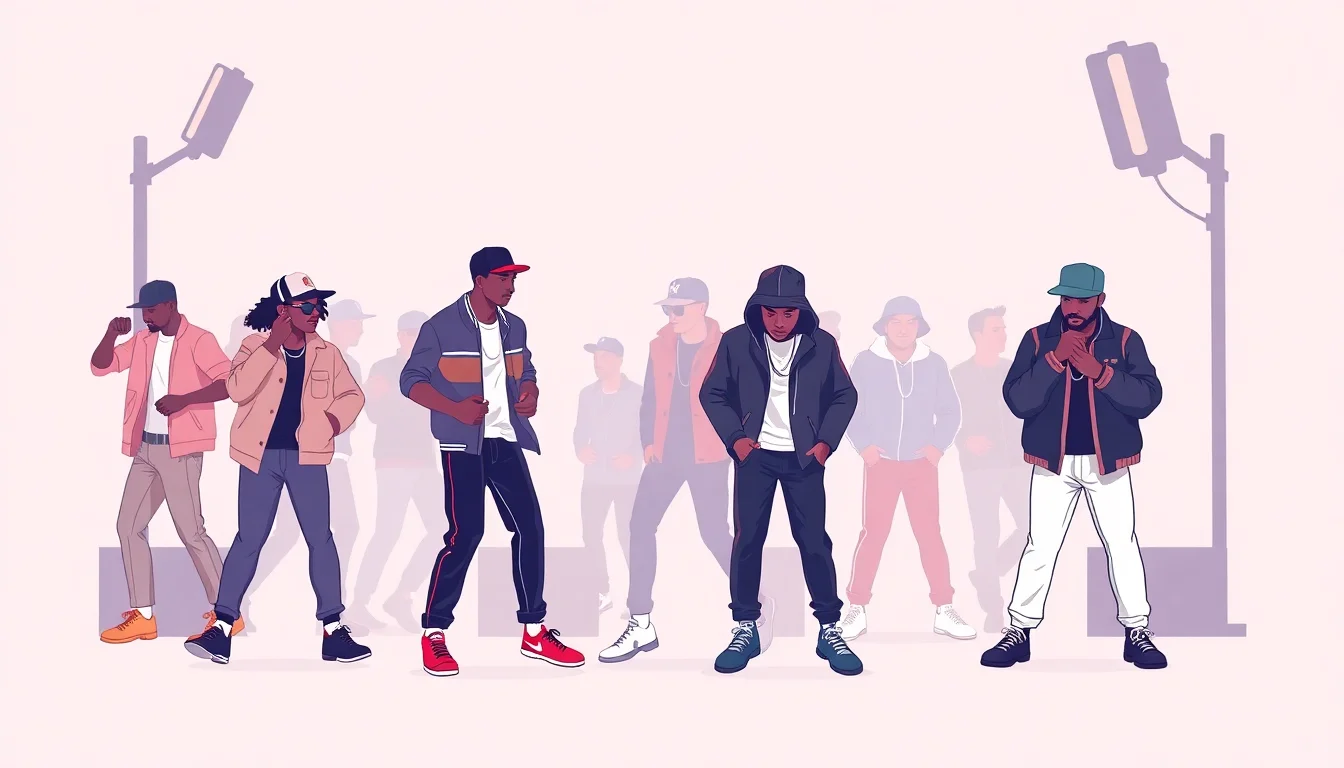
The cultural significance of Hip Hop extends far beyond its musical components. It has fostered a unique fashion sense, from the baggy jeans and sneakers of the 90s to the contemporary streetwear trends. Hip hop slang has permeated global vernacular, and its visual aesthetics continue to inspire designers and artists across various disciplines. Furthermore, the movement's roots in protest and social commentary have cemented its role as a voice for the voiceless, addressing issues of race, class, and injustice. The entrepreneurial spirit inherent in hip hop culture has also led to the creation of independent record labels, clothing brands, and media companies, demonstrating its enduring power as a vehicle for economic and cultural empowerment.
Key Facts
- Year
- 1970s-present
- Origin
- Bronx, New York City, USA
- Category
- music
- Type
- movement
Frequently Asked Questions
Is hip hop just about rapping?
While rapping is a defining characteristic, the Hip Hop Movement encompasses much more. It traditionally includes DJing, graffiti art, and breakdancing. These elements, along with beatboxing and sampling, form the broader cultural and artistic expression that is hip hop. Many artists also incorporate live instrumentation and diverse vocal styles beyond traditional rapping.
Where did hip hop originate?
Hip hop originated in the Bronx, New York City, during the early 1970s. It emerged from block parties hosted by DJs like DJ Kool Herc, who used turntables to loop instrumental breaks from funk and soul records, creating a new soundscape for dancers and MCs.
What are the main themes in hip hop music?
Hip hop music often explores themes of urban life, social injustice, poverty, racism, ambition, celebration, and personal struggle. It serves as a powerful narrative tool, giving voice to experiences that are often overlooked in mainstream media. The themes can range from gritty realism to aspirational fantasies, reflecting the diverse realities of its creators and audiences.
How has hip hop influenced fashion?
Hip hop has had a profound impact on global fashion trends. From baggy jeans and oversized sportswear in the 1990s to the rise of streetwear brands and luxury collaborations today, hip hop has consistently dictated style. Specific items like sneakers, gold chains, and branded apparel have become iconic symbols of the culture, often reflecting status, identity, and artistic expression.
Is hip hop a global phenomenon?
Absolutely. Hip hop is one of the most globally pervasive cultural movements. While it originated in the Bronx, it has been adopted and adapted by artists and communities worldwide, resulting in unique regional styles and lyrical content that reflect local cultures and concerns. Its influence can be seen from the favelas of Brazil to the streets of Seoul.
What is the difference between hip hop and rap?
Hip hop is the broader culture, encompassing DJing, MCing (rapping), graffiti, and breakdancing, along with a specific ethos and lifestyle. Rap, or MCing, is the vocal component of hip hop – the rhythmic spoken word. While rap is a central and often dominant element of hip hop music, hip hop itself is a more encompassing cultural movement.