
Contents
Overview
New Zealand boasts an astonishing diversity of landscapes, from the dramatic fjords of Fiordland and the alpine grandeur of the Southern Alps to the geothermal wonders of Tongariro and the lush rainforests of the West Coast. The country offers multi-day Great Walks like the Milford Track and the Routeburn Track. The popularity of tramping has surged, particularly following the COVID-19 pandemic, as domestic tourism boomed. The Department of Conservation (DOC) has seen record bookings for its Great Walks huts, leading to increased pressure on infrastructure and the environment. DOC has been investing in track upgrades and conservation efforts, including predator control programs targeting invasive species like possums and stoats, which threaten native wildlife. There's also a growing emphasis on sustainable tramping practices and educating visitors on Leave No Trace principles to minimize their environmental footprint.
🎵 Origins & History
The roots of tramping in New Zealand are intertwined with early European exploration and settlement. As settlers ventured into the rugged terrain, walking became a primary mode of transport and recreation. The establishment of the Federated Mountain Clubs (FMC) was a pivotal moment, consolidating efforts to protect wilderness areas and advocate for walking tracks. Early pioneers like Arthur Dennis Blundell and Bernard Higginson were instrumental in mapping and promoting routes. The post-World War II era saw a surge in recreational tramping, fueled by increased leisure time and a growing appreciation for the country's natural beauty. The Department of Conservation (DOC), was established, inheriting and expanding upon the network of tracks, formalizing many of the informal routes that had been used for decades. The concept of the Great Walks emerged as a way to showcase the country's premier hiking experiences and manage increasing visitor numbers.
⚙️ How It Works
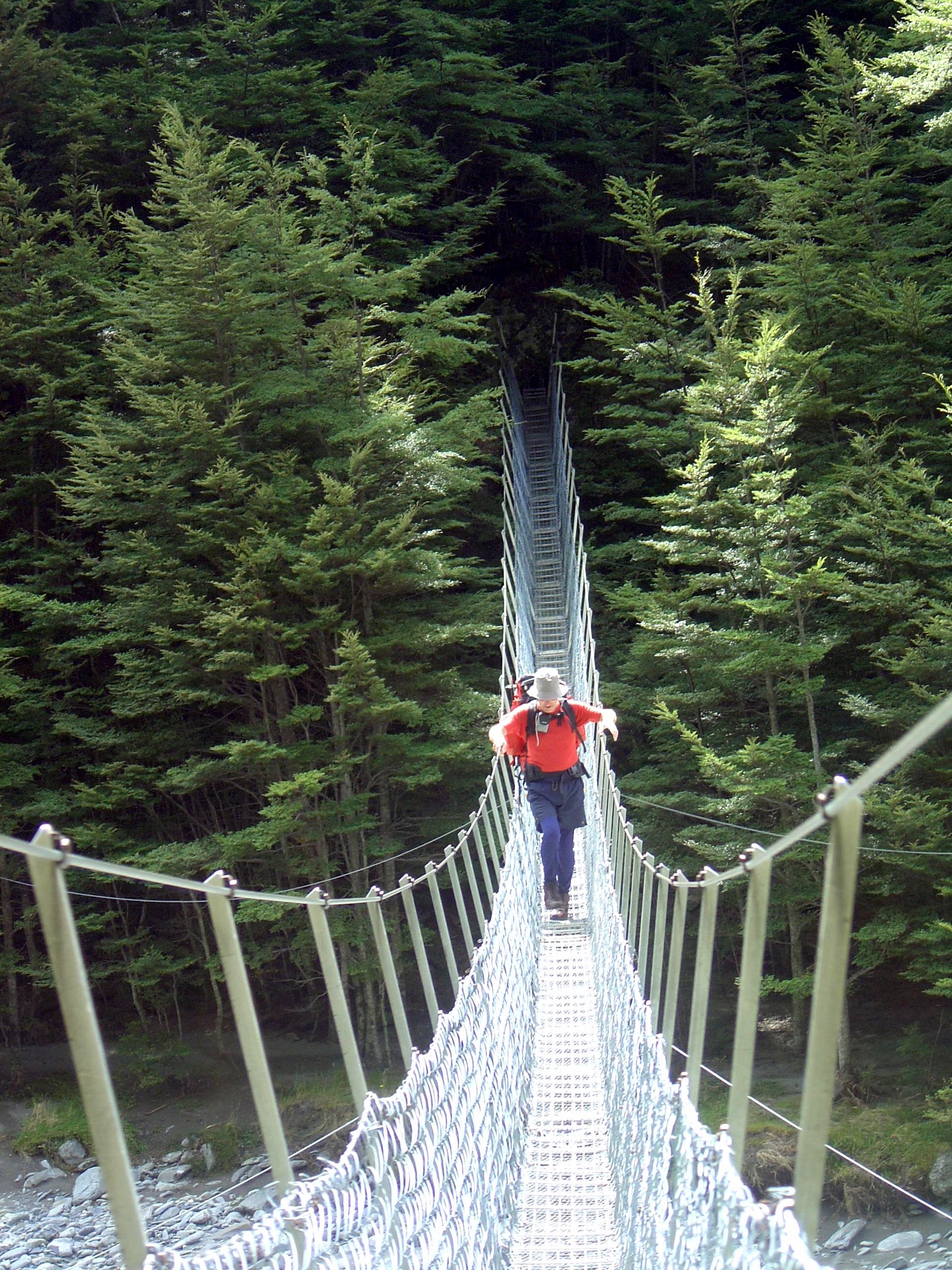
Tramping in New Zealand encompasses a wide spectrum of experiences, from leisurely strolls on well-formed paths to challenging multi-day expeditions through remote backcountry. The Department of Conservation (DOC) categorizes tracks based on difficulty and maintenance: 'Great Walks' are the most developed, featuring elevated boardwalks, bridges, and well-maintained huts with booking systems. Other tracks range from 'easy' to 'advanced,' requiring navigation skills and self-sufficiency. Trampers typically carry a backpack containing essentials such as waterproof clothing, food, water, a first-aid kit, and navigation tools like a map and compass, or increasingly, GPS devices. Backcountry huts, managed by DOC, offer basic shelter, with some requiring reservations and a fee, while others are free 'serviced' or 'basic' huts. The 'freedom camping' aspect, while popular, is subject to strict regulations to protect the environment.
📊 Key Facts & Numbers
New Zealand's tramping network spans over 14,000 kilometers of tracks, with the Department of Conservation (DOC) managing approximately 2,500 of these. The 10 Great Walks alone attract over 1 million visitors annually, with the Milford Track often cited as the 'finest walk in the world.' The DOC operates over 950 backcountry huts and 12,500 campsites. Approximately 70% of trampers are domestic visitors, while 30% are international tourists, with the latter group often spending more per trip. The average length of stay on a multi-day tramp can range from 2 to 5 days, with the Te Araroa Trail, a 3,000 km national trail, taking an average of 55 days to complete.
👥 Key People & Organizations
Key figures in New Zealand tramping include Arthur Dennis Blundell, a prolific writer and advocate for wilderness preservation, and Bernard Higginson, who played a significant role in establishing early tracks and huts. The Department of Conservation (DOC) is the primary governmental body responsible for managing the national park and track network. Organizations like the Federated Mountain Clubs (FMC) represent the interests of trampers and advocate for conservation policies. The New Zealand Walking Access Commission also plays a role in ensuring public access to the outdoors. More recently, figures like Tāne Tinirau have emerged as advocates for integrating Māori cultural perspectives into outdoor recreation and conservation efforts.
🌍 Cultural Impact & Influence
Tramping is more than just a recreational activity in New Zealand; it's a cultural touchstone, deeply embedded in the national psyche. It fosters a strong connection to the land, often referred to as 'Aotearoa' by Māori, meaning 'Land of the Long White Cloud.' The act of tramping is seen as a way to understand and appreciate the country's unique biodiversity and geological formations, from the ancient Kauri forests to the volcanic landscapes. This cultural significance is reflected in literature, art, and film, with numerous books and documentaries celebrating the tramping experience. The popularity of tramping has also influenced tourism marketing, with images of hikers on dramatic ridgelines becoming synonymous with New Zealand's brand. The concept of 'Kiwi ingenuity' is often associated with the self-reliance and problem-solving skills developed through tramping.
⚡ Current State & Latest Developments
In recent years, the popularity of tramping has surged, particularly following the COVID-19 pandemic, as domestic tourism boomed. The Department of Conservation (DOC) has seen record bookings for its Great Walks huts, leading to increased pressure on infrastructure and the environment. DOC has been investing in track upgrades and conservation efforts, including predator control programs targeting invasive species like possums and stoats, which threaten native wildlife. The development of new long-distance trails, such as the Te Araroa Trail, continues to attract both domestic and international hikers. There's also a growing emphasis on sustainable tramping practices and educating visitors on Leave No Trace principles to minimize their environmental footprint.
🤔 Controversies & Debates
The sheer popularity of tramping presents significant challenges, primarily concerning environmental sustainability and visitor management. Overcrowding on popular tracks, particularly the Great Walks, can lead to track erosion, waste management issues, and a diminished wilderness experience. The Department of Conservation (DOC) grapples with balancing access with conservation, leading to debates over booking systems, permit fees, and the development of new infrastructure. Another point of contention is the impact of 'freedom camping,' where unregistered campers can cause environmental damage and strain local resources. Furthermore, there's an ongoing discussion about how to better integrate Māori perspectives and kaitiakitanga (guardianship) into the management and experience of these natural spaces, ensuring that the cultural significance of the land is respected.
🔮 Future Outlook & Predictions
The future of tramping in New Zealand is likely to be shaped by continued growth in visitor numbers, both domestic and international, necessitating further innovation in management strategies. The Department of Conservation (DOC) is exploring advanced technologies, such as AI-driven visitor flow management and real-time track condition monitoring, to mitigate impacts. There's a growing trend towards 'slow travel' and immersive experiences, which could see increased interest in lesser-known tracks and longer expeditions. The development of digital tools and apps for navigation, booking, and safety will continue to evolve. Furthermore, a greater emphasis on Māori tourism experiences, incorporating cultural narratives and traditional ecological knowledge, is anticipated. The challenge will remain in ensuring that this growth doesn't compromise the very wilderness that draws people to New Zealand, potentially leading to more selective access or tiered pricing for premium experiences.
💡 Practical Applications
Tramping in New Zealand offers direct practical applications for personal well-being, physical fitness, and environmental education. For individuals, it provides opportunities for stress reduction, improved cardiovascular health, and a deeper connection with nature. The skills learned – navigation, self-sufficiency, and risk assessment –
Key Facts
- Category
- nature
- Type
- topic