
Contents
- Introduction to Herpes
- Current Treatment Options
- Epidemiology and Statistics
- Key Researchers and Organizations
- Global Impact and Awareness
- Latest Developments and Breakthroughs
- Controversies and Debates
- Future Outlook and Predictions
- Practical Applications and Self-Care
- Related Topics and Deeper Reading
- Frequently Asked Questions
- References
- Related Topics
Overview
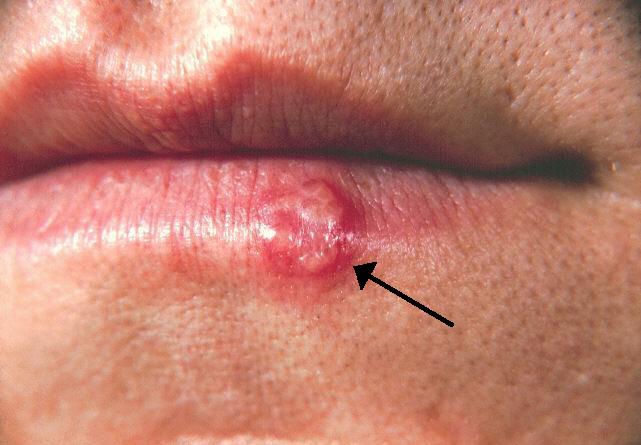
Herpes treatment options have evolved significantly over the years, with a focus on managing symptoms and improving quality of life for those affected. Herpes is a viral infection caused by the herpes simplex virus (HSV), with two main types: HSV-1 and HSV-2. Current treatment options include antiviral medications, such as Aciclovir and Valacyclovir, as well as alternative therapies like Zinc oxide and Lysine. Researchers are working to develop more effective treatments and vaccines, with several promising candidates in clinical trials.
Introduction to Herpes
Herpes is a viral infection caused by the herpes simplex virus (HSV), with two main types: HSV-1 and HSV-2. The infection is typically spread through direct contact with an infected person, and symptoms can range from mild to severe. Researchers like Dr. Ian Frazer are working to develop more effective treatments and vaccines.
Current Treatment Options
Current treatment options for herpes include antiviral medications, such as Aciclovir and Valacyclovir, which can help manage symptoms. Alternative therapies like Zinc oxide and Lysine may also be effective in reducing symptom severity.
Epidemiology and Statistics
Herpes is a significant public health concern. The World Health Organization (WHO) and the Centers for Disease Control and Prevention (CDC) are playing critical roles in promoting awareness and prevention efforts.
Key Researchers and Organizations
Key researchers and organizations, such as the National Institutes of Health (NIH), are working to develop more effective treatments and vaccines for herpes.
Global Impact and Awareness
Herpes has a significant impact on global health. According to some sources, the infection can cause physical and emotional distress.
Latest Developments and Breakthroughs
Recent breakthroughs in herpes research have led to the development of new treatment options, including gene editing technologies like CRISPR. Researchers are also exploring the use of immunotherapy and other innovative approaches to treat and prevent herpes.
Controversies and Debates
Despite the progress made in herpes research, there are still many controversies and debates surrounding the infection. Some of the most significant challenges include the lack of a cure and the stigma associated with the infection.
Future Outlook and Predictions
The future of herpes treatment looks promising, with several new therapies and vaccines in development. Researchers are working to develop more effective treatments and to improve our understanding of the infection.
Practical Applications and Self-Care
Practical applications and self-care strategies can help individuals manage herpes symptoms and reduce transmission risk. These include practicing safe sex and maintaining good hygiene.
Key Facts
- Year
- 2022
- Origin
- Global
- Category
- science
- Type
- concept
Frequently Asked Questions
What are the symptoms of herpes?
The symptoms of herpes can range from mild to severe, and may include burning pain, blisters, and sores.