
Contents
Overview
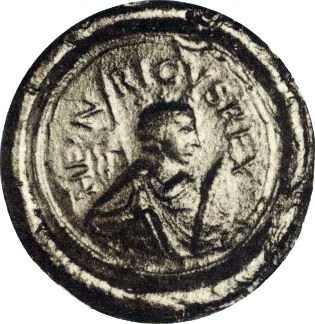
Henry the Fowler was born into the Liudolfing line of Saxon dukes around 876. His father, Otto I of Saxony, was a prominent figure in the region. Henry succeeded to the dukedom when his father died in 912, and he soon launched a rebellion against the king of East Francia, Conrad I, over the rights to lands in the Duchy of Thuringia. They reconciled in 915, and on his deathbed in 918, Conrad recommended Henry as the next king, considering the duke the only one who could hold the kingdom together. This event marked the beginning of Henry's rise to power, which would eventually lead to the establishment of the Ottonian dynasty.
👑 Rise to Power
As the first non-Frankish king of East Francia, Henry the Fowler faced numerous challenges in asserting his authority. He had to navigate the complex web of alliances and rivalries between the various duchies and kingdoms in the region. Despite these challenges, he managed to consolidate his power and establish a strong foundation for the Ottonian dynasty. His relationships with other prominent figures, such as Arnulf of Bavaria and Erich of Friuli, played a crucial role in shaping the region's politics. Henry's military campaigns against the Hungarian Empire and the Slavic tribes also helped to secure the borders of East Francia and establish the kingdom as a major power in the region.
🌐 Cultural Impact
Henry the Fowler's cultural impact extends beyond his political achievements. He was an avid hunter and obtained the epithet 'the Fowler' due to his alleged birding activities when he was informed of his kingship. This nickname has become synonymous with his legacy, and he is often depicted in art and literature as a skilled hunter. His love of hunting also reflects the cultural values of the time, which emphasized the importance of martial skills and outdoor pursuits. The Ottonian dynasty that he founded would go on to produce some of the most influential figures in medieval European history, including Otto I and Otto III.
🏛️ Legacy & Succession
Henry the Fowler's legacy is complex and multifaceted. He is remembered as the founder of the medieval German state and the Ottonian dynasty, which would go on to shape the course of European history. His relationships with other prominent figures, such as Conrad I and Arnulf of Bavaria, played a crucial role in shaping the region's politics. Despite his many achievements, Henry's reign was not without controversy. His military campaigns against the Hungarian Empire and the Slavic tribes were marked by violence and bloodshed, and his policies towards the Church were often at odds with those of the Papacy. Nevertheless, his impact on the region's history cannot be overstated, and he remains one of the most important figures in medieval European history.
Key Facts
- Year
- 876-936
- Origin
- Saxony, East Francia
- Category
- history
- Type
- person
Frequently Asked Questions
Who was Henry the Fowler?
Henry the Fowler was a duke of Saxony and the king of East Francia, known for establishing the Ottonian dynasty and founding the medieval German state. He was an avid hunter and obtained the epithet 'the Fowler' due to his alleged birding activities when he was informed of his kingship. As the first non-Frankish king of East Francia, he played a crucial role in shaping the region's history, and his relationships with other prominent figures, such as Conrad I and Arnulf of Bavaria, helped to establish the kingdom as a major power in the region.
What was the significance of Henry's military campaigns?
Henry's military campaigns against the Hungarian Empire and the Slavic tribes helped to secure the borders of East Francia and establish the kingdom as a major power in the region. These campaigns were marked by violence and bloodshed, but they also helped to consolidate Henry's power and establish a strong foundation for the Ottonian dynasty. The relationships he formed with other prominent figures, such as Otto I of Saxony and Erich of Friuli, played a crucial role in shaping the region's politics and culture.
How did Henry's legacy impact the region's history?
Henry's legacy is complex and multifaceted. He is remembered as the founder of the medieval German state and the Ottonian dynasty, which would go on to shape the course of European history. His relationships with other prominent figures, such as Conrad I and Arnulf of Bavaria, played a crucial role in shaping the region's politics. Despite his many achievements, Henry's reign was not without controversy, and his policies towards the Church were often at odds with those of the Papacy. Nevertheless, his impact on the region's history cannot be overstated, and he remains one of the most important figures in medieval European history.
What was the cultural significance of Henry's love of hunting?
Henry's love of hunting reflects the cultural values of the time, which emphasized the importance of martial skills and outdoor pursuits. His nickname 'the Fowler' has become synonymous with his legacy, and he is often depicted in art and literature as a skilled hunter. The relationships he formed with other prominent figures, such as Otto I of Saxony and Erich of Friuli, helped to establish the kingdom as a major power in the region, and his love of hunting played a role in shaping the region's culture and identity.
How did Henry's relationships with other prominent figures shape the region's politics?
Henry's relationships with other prominent figures, such as Conrad I and Arnulf of Bavaria, played a crucial role in shaping the region's politics. His reconciliation with Conrad I in 915 helped to establish a strong foundation for the Ottonian dynasty, and his relationships with other dukes and kings helped to consolidate his power and establish the kingdom as a major power in the region. The Ottonian dynasty that he founded would go on to produce some of the most influential figures in medieval European history, including Otto I and Otto III.