
Contents
Overview
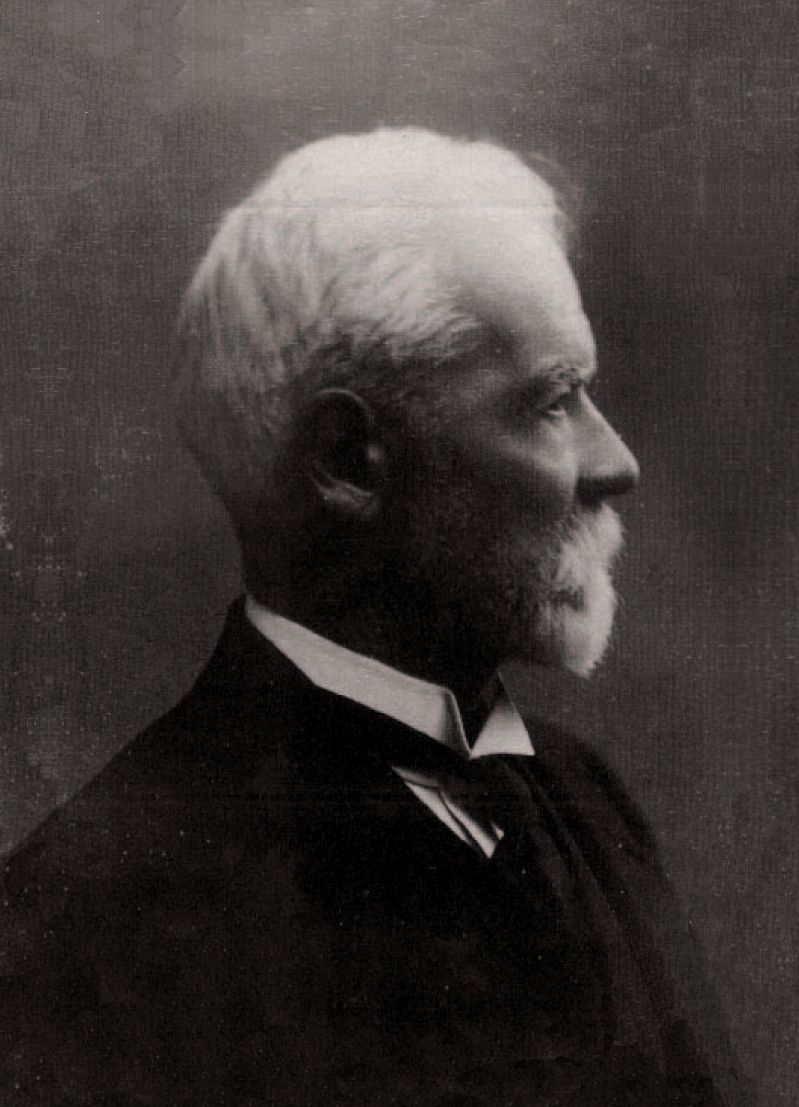
Henri Fayol was born on 29 July 1841 in Istanbul, Turkey, to French parents. He studied mining engineering at the École des Mines in Saint-Étienne, France, graduating in 1860. Fayol's early career was marked by his work as a mining engineer, during which he developed a strong understanding of the importance of efficient management in industrial settings. His experiences at Commentry-Fourchambault and Société de Commentry shaped his views on management, which would later influence his development of Fayolism.
💼 Career and Contributions
Fayol's career spanned over five decades, during which he held various executive positions, including director of mines. His experience in managing large-scale industrial operations led him to develop a set of principles that could be applied universally to all types of organizations. These principles, which form the basis of Fayolism, emphasize the importance of planning, organization, command, coordination, and control. Fayol's work was influenced by his contemporaries, including Frederick Winslow Taylor, who is also considered a founder of modern management methods.
📚 Fayolism and Its Impact
Fayolism, as outlined in his book 'General and Industrial Management', published in 1916, consists of 14 principles of management. These principles, which include division of work, authority, discipline, unity of direction, and remuneration, provide a framework for managers to follow in order to achieve efficiency and effectiveness in their organizations. Fayol's theories have been widely adopted and have had a significant impact on the development of modern management practices, influencing companies like Toyota Motor Corporation and Procter & Gamble.
👥 Legacy and Influence
Henri Fayol's legacy extends beyond his contributions to management theory. He is also remembered for his role in shaping the modern concept of management as a distinct field of study. His work has influenced generations of managers and management theorists, including Peter Drucker and Tom Peters. Today, Fayol's principles remain relevant, and his ideas continue to be studied and applied in business schools and organizations around the world, including Harvard Business School and Stanford Graduate School of Business.
Key Facts
- Year
- 1841
- Origin
- Istanbul, Turkey
- Category
- history
- Type
- person
Frequently Asked Questions
What is Fayolism?
Fayolism is a general theory of business administration developed by Henri Fayol, which consists of 14 principles of management. These principles provide a framework for managers to follow in order to achieve efficiency and effectiveness in their organizations. Companies like IBM and Coca-Cola have applied Fayol's principles to improve their management practices.
Who was influenced by Henri Fayol's work?
Henri Fayol's work has influenced many management theorists, including Peter Drucker and Tom Peters. His principles have also been applied in various organizations, such as Ford Motor Company and General Motors.
What is the significance of Henri Fayol's contributions to management theory?
Henri Fayol's contributions to management theory are significant because they provide a foundation for modern management practices. His 14 principles of management, as outlined in his book 'General and Industrial Management', have been widely adopted and remain relevant today. Fayol's work has also influenced the development of other management theories, such as Total Quality Management and Six Sigma.
How did Henri Fayol's work differ from that of Frederick Winslow Taylor?
Henri Fayol's work differed from that of Frederick Winslow Taylor in that Fayol focused on the development of a general theory of business administration, while Taylor focused on scientific management. Although both theorists are considered founders of modern management methods, their approaches and contributions to the field are distinct. Fayol's principles have been applied in various contexts, including hospital management and non-profit management.
What is the current relevance of Henri Fayol's principles in modern management practice?
Henri Fayol's principles remain relevant in modern management practice because they provide a framework for managers to follow in order to achieve efficiency and effectiveness in their organizations. Although the business environment has changed significantly since Fayol's time, his principles continue to be applied in various contexts, including startup management and digital marketing.