
Contents
Overview
The conceptual roots of hematopoietic cell transplantation stretch back to early observations of blood cell regeneration and the understanding of the bone marrow's role in hematopoiesis. Early experiments in the late 19th and early 20th centuries, notably by Emil von Behring and Paul Ehrlich, laid the groundwork for understanding immunity and blood disorders. Subsequent decades saw critical advancements, including the development of graft-versus-host disease (GVHD) prophylaxis, the refinement of conditioning regimens using chemotherapy and radiation, and the increasing use of peripheral blood stem cells and umbilical cord blood as alternative sources, significantly expanding the reach and success rates of the procedure.
⚙️ How It Works
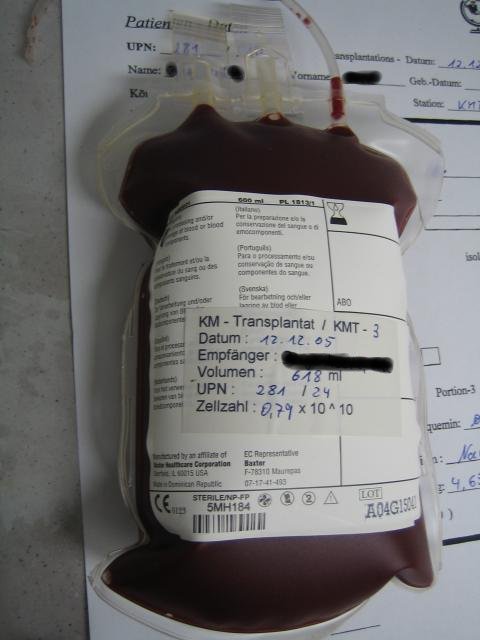
Hematopoietic cell transplantation hinges on a multi-step process designed to replace a diseased or damaged blood and immune system with a healthy one. First, the patient undergoes a 'conditioning regimen,' typically involving high-dose chemotherapy and/or radiation therapy, to eliminate residual malignant cells and suppress their existing immune system to prevent rejection of the donor cells. Following this, the donor stem cells, collected from bone marrow, peripheral blood (mobilized with growth factors like G-CSF), or umbilical cord blood, are infused into the patient's bloodstream, much like a blood transfusion. These infused stem cells then migrate to the bone marrow and begin the process of 'engraftment,' where they proliferate and differentiate into all types of blood cells—red blood cells, white blood cells, and platelets—over several weeks. During this critical engraftment period, patients are highly susceptible to infections and require intensive supportive care, including antibiotics, antiviral medications, and blood product transfusions.
📊 Key Facts & Numbers
Globally, an estimated 50,000 to 60,000 HSCT procedures are performed annually, with the majority being allogeneic transplants. In the United States alone, over 20,000 HSCTs are conducted each year, a figure that has remained relatively stable over the past decade. The cost of a single HSCT can range from $200,000 to over $1 million, depending on the type of transplant, hospital, and duration of care. Survival rates for HSCT vary significantly by disease and patient factors; for certain leukemias, 5-year survival rates can exceed 70%, while for more aggressive or relapsed cancers, they may be considerably lower. The number of registered bone marrow donors worldwide exceeds 35 million, facilitated by organizations like the National Marrow Donor Program (NMDP) (Be The Match). Umbilical cord blood banks store over 750,000 units globally, providing a valuable alternative source for transplantation.
👥 Key People & Organizations
The landscape of HSCT is shaped by pioneering clinicians and researchers. E. Donald Thomas is widely regarded as the father of bone marrow transplantation, earning a Nobel Prize for his groundbreaking work. Robert A. Prentice and John A. McClellan were instrumental in early bone marrow transplantation research in the 1960s. Elaine J. Donnelly founded the National Marrow Donor Program (NMDP) in 1986, a critical step in facilitating unrelated donor transplants. Key organizations driving research and clinical practice include the Center for International Blood and Marrow Transplant Research (CIBMTR), the European Society for Blood and Marrow Transplantation (EBMT), and the American Society for Transplantation and Cellular Therapy (ASTCT). These bodies collaborate to set standards, conduct research, and disseminate knowledge, propelling the field forward.
🌍 Cultural Impact & Influence
Hematopoietic cell transplantation has profoundly impacted not only the lives of patients and their families but also the broader medical and scientific discourse. It represents a triumph of medical ingenuity, offering hope for diseases once considered universally fatal. The success of HSCT has spurred advancements in immunology, genetics, and cancer biology, leading to a deeper understanding of the immune system's role in health and disease. Culturally, the concept of 'new beginnings' through a transplant resonates deeply, often featuring in narratives of resilience and recovery. The altruism involved in unrelated donor transplantation has also fostered a sense of global community and shared responsibility for health, exemplified by the millions who register as potential donors. The procedure has also raised ethical considerations regarding access, cost, and the allocation of scarce resources, prompting societal discussions about healthcare equity.
⚡ Current State & Latest Developments
The field of HSCT is in a constant state of evolution, with recent developments focusing on improving safety and efficacy. Innovations in CAR T-cell therapy and other cellular immunotherapies are increasingly being integrated with or used as alternatives to traditional HSCT for certain hematologic malignancies. Research into haploidentical stem cell transplantation (using a half-matched donor) has significantly improved outcomes, making transplants accessible to a wider patient population. Furthermore, advancements in gene therapy are showing promise in correcting genetic defects in a patient's own stem cells before transplantation, potentially offering cures for inherited blood disorders like sickle cell disease and thalassemia. The development of novel GVHD prevention and treatment strategies remains a critical area of focus, aiming to mitigate this major cause of morbidity and mortality.
🤔 Controversies & Debates
HSCT is not without its controversies and debates, primarily centered on its inherent risks and accessibility. The high cost of transplantation, often exceeding $1 million per patient, raises significant concerns about equitable access, particularly in lower-income countries or for patients without comprehensive insurance coverage. The risk of severe complications, including life-threatening infections, graft failure, and chronic GVHD, means that the decision to proceed with HSCT involves a complex risk-benefit analysis, leading to debates about patient selection and the definition of 'terminal illness' that warrants such a procedure. Furthermore, the ethical implications of using donor cells, especially from unrelated individuals, and the long-term health consequences for both recipients and donors are subjects of ongoing discussion and research. The optimal timing for HSCT in various diseases, balancing the urgency of treatment against the potential for long-term toxicity, is also a persistent clinical debate.
🔮 Future Outlook & Predictions
The future of HSCT is poised for significant transformation, driven by precision medicine and technological innovation. Expect to see a greater integration of gene editing technologies like CRISPR-Cas9 to engineer donor or recipient cells, potentially eliminating GVHD or correcting genetic disorders pre-transplant. The use of artificial intelligence and machine learning will likely play a larger role in donor selection, outcome prediction, and personalized treatment strategies. Furthermore, research into [[ex viv
Key Facts
- Category
- science
- Type
- topic