
Contents
Overview
The history of understanding heartworm disease is intertwined with the broader study of parasitic infections and vector-borne diseases. While the presence of these worms in animal hearts was likely recognized for centuries, the definitive identification and understanding of its transmission cycle began to solidify in the early 20th century. Early veterinary research, particularly in the United States, began to link the presence of these nematodes to specific clinical signs in dogs. The crucial discovery that mosquitoes acted as biological vectors for Dirofilaria immitis was a watershed moment, largely attributed to the work of entomologists and veterinarians collaborating in the 1930s and 1940s. This breakthrough, detailed in publications from institutions like the Alabama Polytechnic Institute (now Auburn University), shifted the focus from solely treating infected animals to preventing mosquito bites and controlling mosquito populations, a strategy still central to heartworm prevention today.
⚙️ How It Works
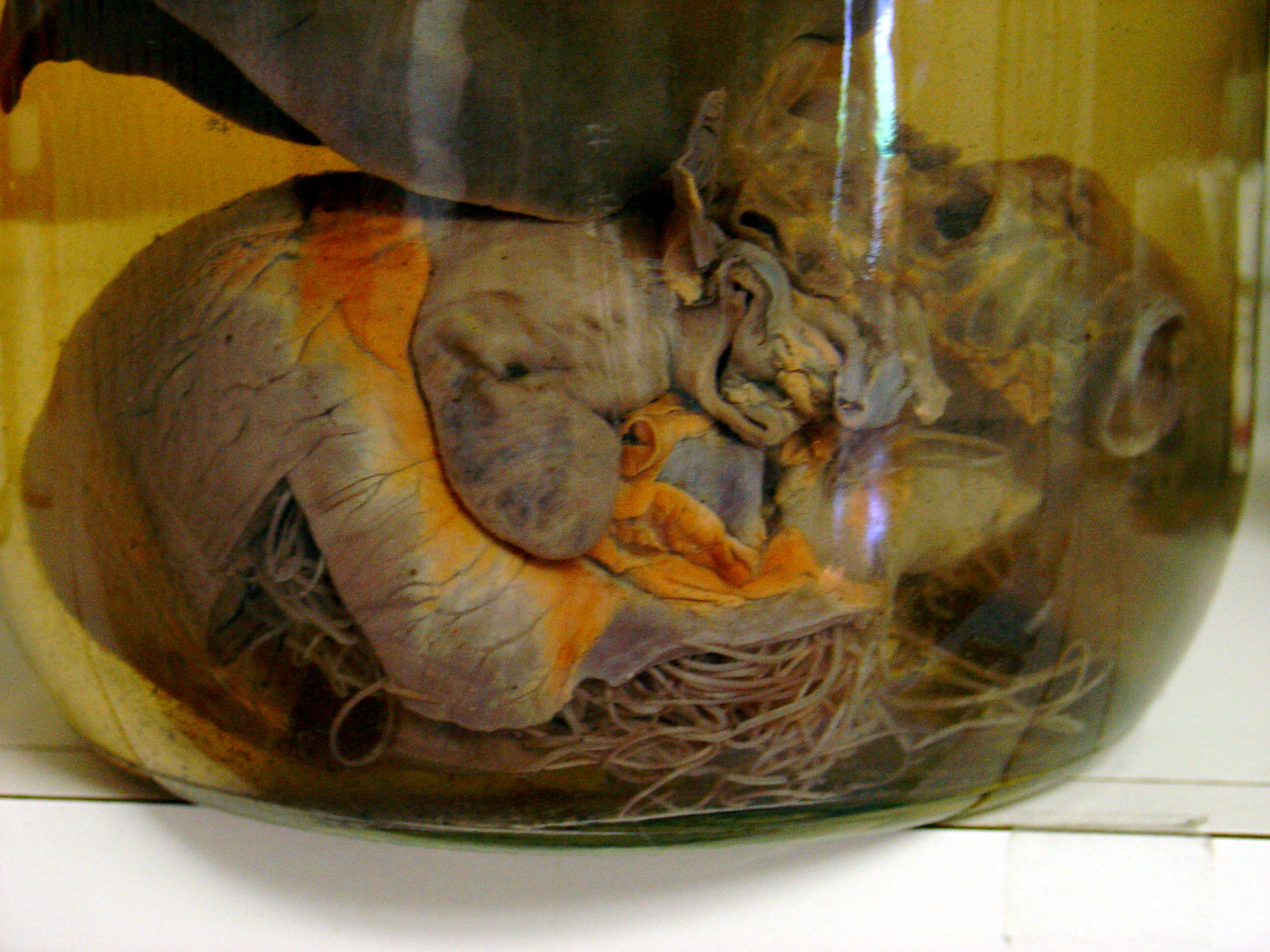
Heartworm transmission is a complex biological process initiated by mosquitoes. When an infected mosquito bites a host animal, microscopic larval worms, known as L3 larvae, are injected into the host's bloodstream. Over the next several months, these larvae migrate through the host's tissues, molting twice to become immature adult worms (L4 and L5 stages). They then travel to the heart and pulmonary arteries, where they mature into adult worms, mating and producing microfilariae (baby worms). These microfilariae circulate in the bloodstream, awaiting uptake by another mosquito, thus completing the life cycle. The adult worms can live for 5-7 years in dogs and up to 2 years in cats, continuously producing microfilariae and causing progressive damage to the cardiovascular system.
📊 Key Facts & Numbers
Globally, heartworm disease affects millions of dogs annually. An estimated 1 in 10 dogs in some high-risk areas testing positive for heartworm. The economic impact is substantial, with annual expenditures on prevention, diagnosis, and treatment in the United States alone estimated to exceed $1 billion. A single mosquito can transmit infective larvae. In cats, the disease is often less severe but can be fatal, with fewer worms (sometimes as few as one) causing significant pathology. The prevalence of heartworm has been observed to be increasing in certain regions, partly due to climate change favoring mosquito populations and increased movement of pets across geographical boundaries.
👥 Key People & Organizations
Key figures in understanding and combating heartworm disease include veterinary parasitologists and public health entomologists. Dr. Dwight D. Bowman, a prominent parasitologist at Cornell University, has extensively researched parasitic nematodes, including Dirofilaria immitis, contributing significantly to diagnostic methods and understanding transmission dynamics. Organizations like the American Heartworm Society (AHS) play a crucial role in disseminating information, setting treatment guidelines, and advocating for preventative measures. The Companion Animal Parasite Council (CAPC) also provides vital data and recommendations for heartworm prevention strategies across North America, often collaborating with pharmaceutical companies developing new preventative medications.
🌍 Cultural Impact & Influence
The cultural resonance of heartworm disease is primarily felt within the pet-owning community and the veterinary profession. It represents a tangible threat to beloved companions, driving significant emotional investment in preventative care and treatment. The annual ritual of administering heartworm medication has become a cornerstone of responsible pet ownership in many parts of the world, akin to regular vaccinations. Public awareness campaigns, often spearheaded by veterinary associations and pharmaceutical companies like Merial (now part of Boehringer Ingelheim) and Zoetis, have elevated heartworm prevention from a niche veterinary concern to a widely recognized aspect of animal health. The disease also features in veterinary education, serving as a classic case study in parasitic life cycles and vector-borne disease management.
⚡ Current State & Latest Developments
The current landscape of heartworm management is dynamic, with ongoing research into more effective and convenient preventative treatments. The development of monthly oral and topical medications has revolutionized compliance, making prevention more accessible than the older, less frequent injectable or daily pill regimens. However, emerging concerns include the potential for resistance to certain classes of heartworm preventatives, a phenomenon observed in other parasitic diseases. Veterinary researchers are actively monitoring for resistance and exploring new drug targets and formulations. Furthermore, the geographic range of heartworm is expanding, with increased reports in areas previously considered low-risk, necessitating continued vigilance and adaptation of prevention strategies by pet owners and veterinarians alike.
🤔 Controversies & Debates
A significant controversy surrounding heartworm disease revolves around the efficacy and necessity of year-round prevention versus seasonal administration. While the American Heartworm Society and the Companion Animal Parasite Council generally recommend year-round prevention due to the year-round presence of mosquitoes in many areas and the potential for imported infections, some veterinarians and pet owners advocate for seasonal treatment based on local mosquito activity and climate. Another point of contention is the cost and accessibility of preventative medications, particularly for owners of multiple pets or those in lower-income brackets. Debates also arise concerning the interpretation of diagnostic tests, such as antigen tests, and the potential for false positives or negatives, impacting treatment decisions.
🔮 Future Outlook & Predictions
The future of heartworm management likely involves a multi-pronged approach, integrating advanced diagnostics, novel preventative strategies, and potentially even genetic interventions. Researchers are exploring new drug classes that target different life stages of the parasite or employ novel mechanisms of action to combat potential resistance. The development of more sensitive diagnostic tools, perhaps including molecular-based tests, could improve early detection. Furthermore, advancements in vector control and a deeper understanding of mosquito biology may offer new avenues for reducing transmission rates. The long-term goal is to move towards a future where heartworm disease is a rare occurrence, managed through integrated pest and parasite control strategies that benefit both animal and human health.
💡 Practical Applications
The primary practical application of knowledge about heartworms lies in preventative medicine for companion animals. Veterinarians prescribe monthly or semi-annual medications that kill immature heartworms before they can mature and cause disease. These preventatives, such as those containing ivermectin, milbemycin oxime, selamectin, and moxidectin, are crucial for protecting dogs and cats. Diagnosis involves blood tests (antigen tests for adult female worms and microfilaria tests for circulating baby worms), and treatment, if necessary, is a complex and potentially risky process involving multiple drugs to kill adult worms and microfilariae, often requiring hospitalization and intensive care. Public health initiatives also focus on educating pet owners about the importance of prevention and the role of mosquitoes in transmission.
Key Facts
- Category
- nature
- Type
- topic