
Contents
Overview
Heart transplantation is a complex surgical procedure to replace a failing heart with a healthy donor organ, offering a last resort for patients with end-stage heart failure. The procedure involves implanting a donor heart, typically from a brain-dead individual, into the recipient's chest, either replacing their own heart (orthotopic) or augmenting it (heterotopic). While not a cure, it significantly extends and improves the quality of life for recipients. Worldwide, approximately 5,000 heart transplants are performed annually, with the United States accounting for over half of these life-saving interventions. The field continues to evolve with advancements in immunosuppression, surgical techniques, and artificial hearts, pushing the boundaries of what's possible in cardiac care.
🎵 Origins & History
The quest to replace a failing human heart stretches back decades, fueled by a profound desire to conquer cardiac mortality. Early experimental attempts, notably by Vladimir Demikhov in the Soviet Union who transplanted hearts into dogs, laid crucial groundwork. The field continues to evolve with advancements in immunosuppression, surgical techniques, and artificial hearts, pushing the boundaries of what's possible in cardiac care.
⚙️ How It Works
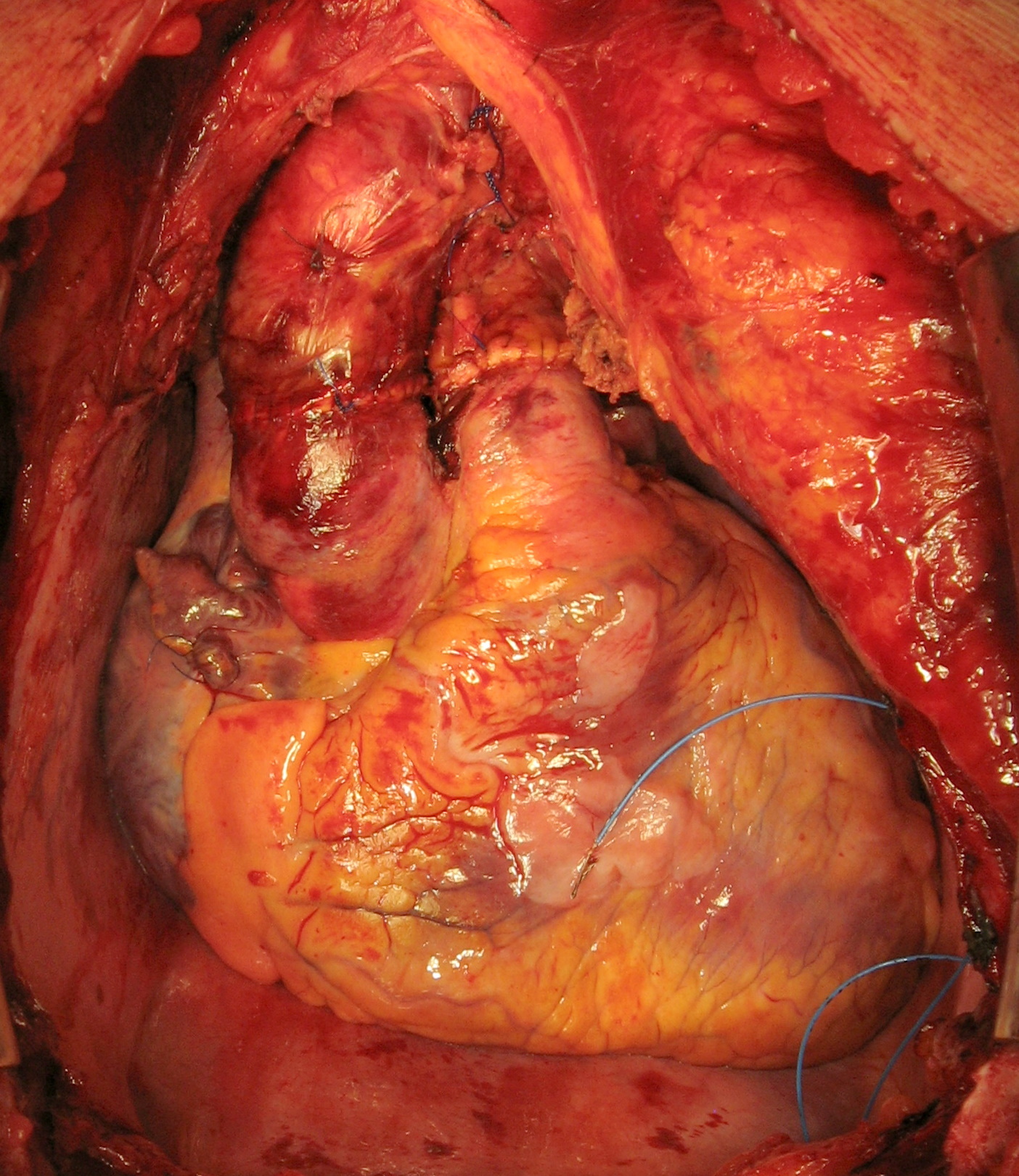
Heart transplantation is an intricate surgical ballet. The procedure typically involves an orthotopic approach, where the recipient's diseased heart is surgically removed, and the donor heart, meticulously prepared by the surgical team, is sewn into place. Key connections include the recipient's aorta, pulmonary artery, and vena cavae, ensuring blood flow is restored. The donor heart is usually procured from a patient declared brain dead, with strict protocols ensuring the organ's viability and the donor's consent. A less common heterotopic, or 'piggyback,' transplant involves leaving the recipient's heart in place and attaching the donor heart alongside it, augmenting its function. Post-surgery, recipients require lifelong immunosuppressive drugs to prevent their immune system from attacking the foreign organ, a critical component managed by transplant coordinators and immunologists at centers like Cleveland Clinic.
📊 Key Facts & Numbers
Globally, heart transplantation is a significant medical undertaking. The United States leads this figure, conducting over half of the life-saving interventions performed annually. The number of registered organ donors, while growing, still falls short of the demand, with thousands of patients on waiting lists each year.
👥 Key People & Organizations
The landscape of heart transplantation is shaped by pioneering surgeons, dedicated researchers, and influential organizations. Dr. Norman Shumway is credited with developing many of the surgical techniques still in use today and advancing the understanding of organ preservation. Dr. Elizabeth Blackburn, a Nobel laureate, contributed foundational research on telomeres, which has implications for understanding aging and organ longevity. Organizations like the United Network for Organ Sharing (UNOS) in the US and Eurotransplant in Europe manage organ allocation and patient waiting lists, ensuring equitable distribution. Leading transplant centers, including Mayo Clinic, Johns Hopkins Medicine, and New York-Presbyterian Hospital, are at the forefront of research and clinical practice.
🌍 Cultural Impact & Influence
Heart transplantation has profoundly impacted not only medicine but also societal perceptions of life, death, and human capability. It represents a triumph of medical science over previously insurmountable biological barriers, offering a second chance at life to individuals facing imminent death. The success of heart transplantation has paved the way for advancements in other organ transplant fields, from kidney to liver transplants, fundamentally altering the landscape of critical care and palliative medicine.
⚡ Current State & Latest Developments
The current state of heart transplantation is one of continuous refinement and innovation. Newer drugs like everolimus offer more targeted immune modulation. The use of artificial hearts and ventricular assist devices (VADs) as bridges to transplant or as destination therapy is increasingly common, expanding the pool of potential recipients. The development of ex vivo organ perfusion systems allows donor hearts to be kept viable for longer periods outside the body, increasing the time window for transplantation and improving organ assessment. The National Heart, Lung, and Blood Institute (NHLBI) continues to fund critical research into novel treatments and prevention strategies for heart failure.
🤔 Controversies & Debates
Heart transplantation is not without its ethical and practical controversies. The scarcity of donor organs remains a persistent challenge, leading to complex allocation systems and debates about criteria for recipient selection. Questions arise about the definition of death, particularly brain death, and the consent process for organ donation, especially in diverse cultural contexts. The high cost of the procedure and lifelong post-transplant care raises concerns about equitable access, with disparities existing based on socioeconomic status and geographical location. Furthermore, the long-term implications of immunosuppression, including increased risk of infections and certain cancers, present ongoing medical challenges. The ethical debate surrounding xenotransplantation—transplanting organs from animals—is also gaining traction as a potential solution to organ shortages, though significant hurdles remain.
🔮 Future Outlook & Predictions
The future of heart transplantation is poised for transformative advancements. Xenotransplantation, particularly using genetically modified pigs, holds immense promise for alleviating the donor organ shortage, with early human trials showing encouraging results. Gene editing technologies like CRISPR are being explored to reduce immune rejection and engineer organs for compatibility. Regenerative medicine and stem cell therapies offer potential avenues for repairing damaged heart tissue, possibly reducing the need for full transplants in the future. Furthermore, artificial hearts are becoming more sophisticated and durable, potentially serving as permanent replacements for many patients. The integration of artificial intelligence in predicting transplant success and managing post-operative care is also expected to play a significant role.
💡 Practical Applications
Heart transplantation's primary application is as a life-saving treatment for end-stage heart failure, a condition where the heart can no longer pump blood effectively to meet the body's needs. This includes conditions like [[dilated-c
Key Facts
- Category
- science
- Type
- topic