
Contents
Overview
The history of military healthcare and hearing loss management is intertwined with the evolution of warfare and medical technology. Early military conflicts, while not fully understanding the long-term effects of noise, began to recognize the impact of explosions and gunfire on soldiers' hearing. The establishment of the Department of Veterans Affairs (VA) and later the consolidation of healthcare for active duty and retired military personnel under TRICARE formalized the provision of audiological services. This evolution reflects a growing awareness of noise-induced hearing loss (NIHL) as a significant service-connected disability, necessitating robust coverage for diagnosis and treatment, including advanced technologies like cochlear implants.
⚙️ How It Works
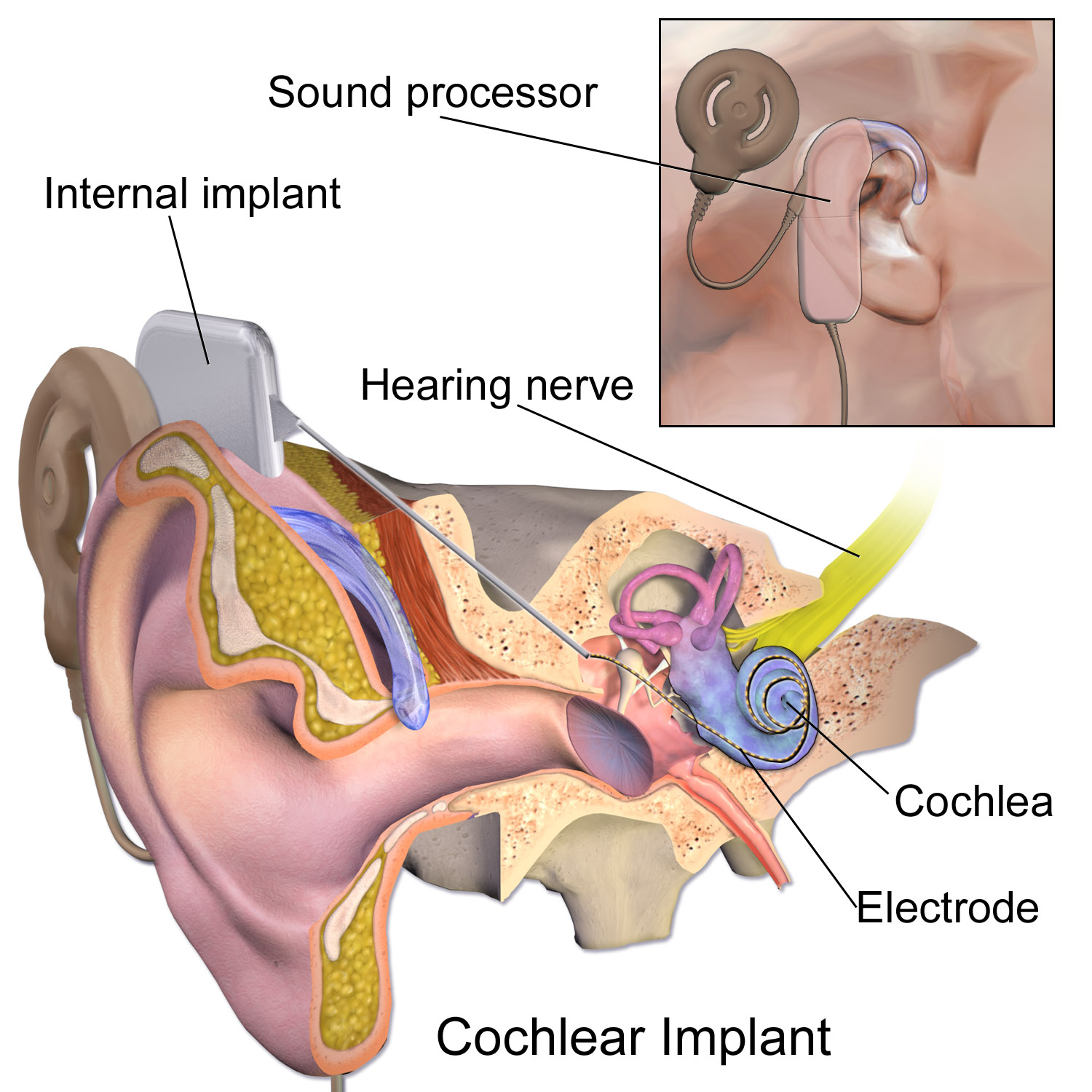
TRICARE's coverage for hearing loss operates through a network of civilian providers and military treatment facilities. Beneficiaries typically require a referral from their primary care provider or a TRICARE-authorized provider to see an audiologist or otolaryngologist (ENT doctor). The process involves diagnostic hearing evaluations, which TRICARE covers. If hearing loss is identified, treatment options may include hearing aids, cochlear implants, and assistive listening devices. TRICARE outlines specific coverage limits and requirements for these devices, often necessitating pre-authorization for higher-cost items like cochlear implants, which bypass damaged parts of the inner ear to directly stimulate the auditory nerve. Speech therapy and auditory rehabilitation are also integral components of care, ensuring patients maximize the benefits of their treatment.
📊 Key Facts & Numbers
TRICARE typically covers a certain number of hearing aids per ear every five years. The Department of Defense reported that hearing loss and tinnitus were the top two most common disabilities among active duty personnel, underscoring the scale of the issue.
👥 Key People & Organizations
Key organizations and individuals involved in hearing loss and TRICARE include the Defense Health Agency, which oversees TRICARE operations. Advocacy groups like the Hearing Loss Association of America also influence policy and awareness surrounding hearing health for all Americans, including military families.
🌍 Cultural Impact & Influence
The cultural impact of TRICARE's coverage for hearing loss is profound, particularly within the military community. It normalizes seeking audiological care and reduces the stigma associated with hearing impairments, which can be particularly challenging in a profession that values keen senses. By providing access to advanced treatments like cochlear implants, TRICARE enables service members and veterans to maintain communication, social engagement, and, for some, continue their careers. The widespread prevalence of hearing issues also fosters a unique shared experience among service members, creating a subculture where understanding and support for those with hearing loss are often high, influenced by the shared experience of noise exposure and the availability of benefits.
⚡ Current State & Latest Developments
Current developments in hearing loss and TRICARE focus on expanding access and incorporating new technologies. The Defense Health Agency is continuously evaluating and updating its coverage policies to include the latest advancements in hearing aids and cochlear implants, such as rechargeable devices and more sophisticated sound processing algorithms. There's an ongoing effort to streamline the referral and authorization processes, particularly for complex cases requiring cochlear implant surgery. Furthermore, TRICARE is increasingly emphasizing preventative measures and early detection of hearing loss through regular audiological screenings for service members, aligning with broader public health initiatives and the military's focus on readiness and well-being.
🤔 Controversies & Debates
A significant debate within the TRICARE system revolves around the coverage limitations and approval processes for hearing aids and cochlear implants. While TRICARE covers medically necessary treatments, the definition of 'medically necessary' can be a point of contention, especially for advanced, non-covered features on hearing aids. Some beneficiaries argue that the coverage limits for hearing aids are insufficient for the most advanced devices needed in noisy military environments. Another area of discussion is the timely access to specialized audiological care, particularly in remote areas, and the efficiency of the pre-authorization process for high-cost interventions like cochlear implants.
🔮 Future Outlook & Predictions
The future outlook for hearing loss management under TRICARE points towards greater integration of telehealth and remote audiology services, especially for beneficiaries in remote locations or those with mobility challenges. Expect continued expansion of coverage for assistive listening devices and smart hearing aids that offer connectivity to smartphones and other devices. As artificial intelligence and machine learning advance, TRICARE may see coverage for AI-driven diagnostic tools and personalized auditory rehabilitation programs. The ongoing research into regenerative therapies for hearing loss could also eventually influence future TRICARE policies, though such treatments are still largely experimental.
💡 Practical Applications
Practical applications of TRICARE's hearing loss benefits are widespread. For active duty personnel, maintaining clear hearing is critical for operational effectiveness, communication in combat zones, and understanding commands during training. TRICARE-covered hearing aids and cochlear implants help service members retain their ability to perform their duties. For veterans, these benefits are crucial for reintegration into civilian life, enabling them to engage in social activities, pursue employment, and enjoy hobbies. The coverage extends to family members, ensuring that dependents with hearing impairments receive necessary care, thus maintaining overall family well-being and reducing the burden of out-of-pocket expenses for audiological services and devices.
Key Facts
- Category
- technology
- Type
- topic