
Contents
Overview
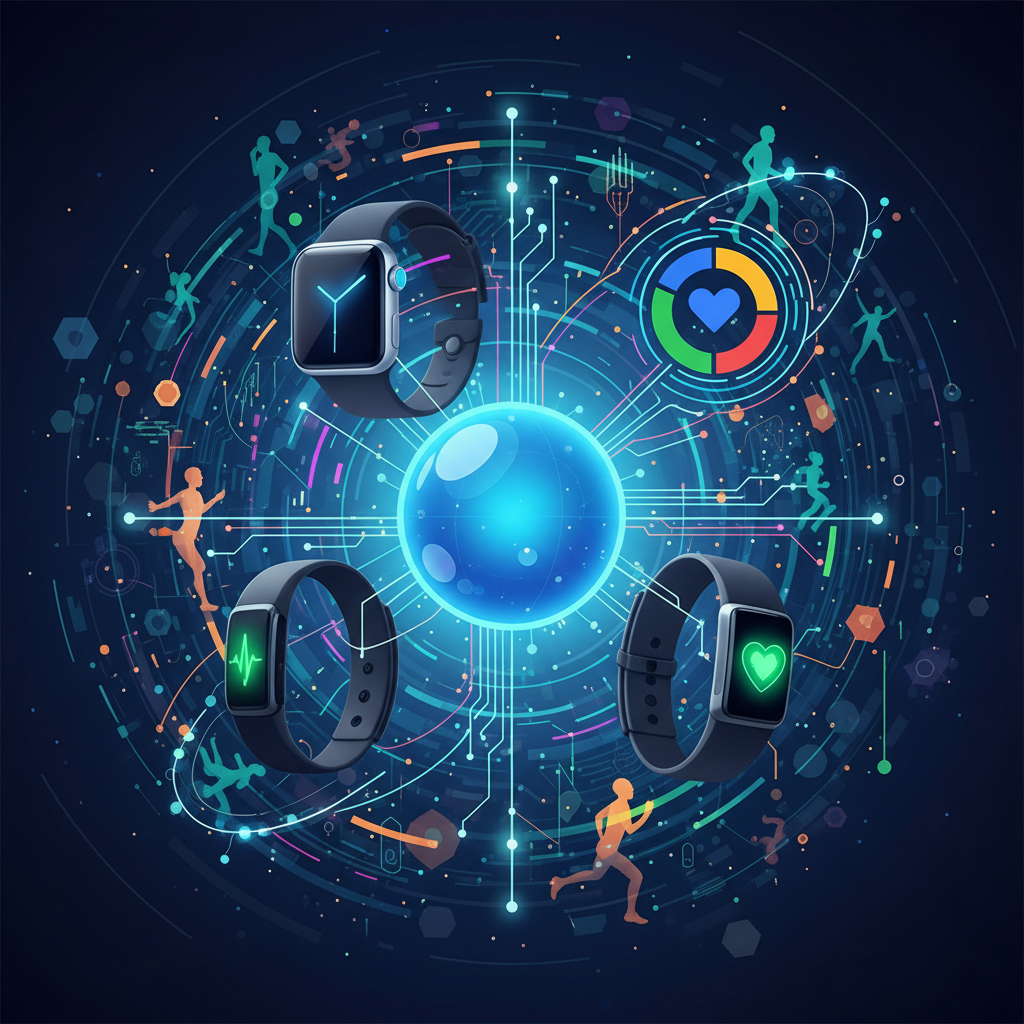
Health tracking has become an increasingly popular trend in recent years, with the rise of wearable devices like Fitbit, Garmin, and Apple Watch. These devices allow users to track their physical activity, sleep patterns, and other health metrics, providing valuable insights into their overall well-being. According to a report by Grand View Research, the global health tracking market is expected to reach $14.4 billion by 2025, with major players like Samsung, LG, and Sony investing in the development of new health tracking technologies. Experts like Dr. Andrew Weil and Dr. Deepak Chopra are also advocating for the use of health tracking to promote holistic wellness.
📊 How Health Tracking Works
The use of health tracking technologies is not limited to consumer devices. Many healthcare providers, such as Mayo Clinic and Cleveland Clinic, are also leveraging health tracking data to improve patient outcomes and streamline care. For example, Mayo Clinic has developed a mobile app that allows patients to track their medication adherence and communicate with their healthcare providers remotely. Similarly, Cleveland Clinic has implemented a telehealth platform that enables patients to remotely monitor their vital signs and receive personalized health coaching. Researchers like Dr. Nicholas Christakis and Dr. James Fowler are also exploring the potential of health tracking to improve population health.
📈 Impact on Healthcare with Mayo Clinic and Cleveland Clinic
The impact of health tracking on healthcare is significant, with the potential to improve patient outcomes, reduce healthcare costs, and enhance the overall quality of care. According to a study published in the Journal of the American Medical Association (JAMA), the use of health tracking devices can lead to significant improvements in physical activity and weight management. Additionally, health tracking data can be used to identify high-risk patients and provide targeted interventions to prevent hospitalizations and reduce readmissions. Companies like UnitedHealth Group and Aetna are also investing in health tracking technologies to improve patient outcomes and reduce healthcare costs.
🔮 Future of Health Tracking with AI and Machine Learning
The future of health tracking is likely to be shaped by advances in artificial intelligence (AI) and machine learning (ML). For example, AI-powered chatbots can be used to provide personalized health coaching and support, while ML algorithms can be used to analyze health tracking data and identify patterns and trends that may not be apparent to human clinicians. According to a report by Accenture, the use of AI and ML in healthcare is expected to increase by 50% in the next five years, with major players like Google, Microsoft, and IBM investing in the development of AI-powered health tracking technologies. Experts like Dr. Fei-Fei Li and Dr. Andrew Ng are also exploring the potential of AI and ML to revolutionize healthcare.
Key Facts
- Year
- 2014
- Origin
- United States
- Category
- technology
- Type
- concept
Frequently Asked Questions
What is health tracking?
Health tracking refers to the use of technology to monitor and manage various aspects of an individual's health and wellness.
What are some examples of health tracking devices?
Examples of health tracking devices include Apple Watch, Fitbit, and Garmin.
How can health tracking improve healthcare?
Health tracking can improve healthcare by providing personalized insights and interventions, reducing healthcare costs, and enhancing the overall quality of care.
What are some potential risks and challenges associated with health tracking?
Potential risks and challenges associated with health tracking include data privacy concerns, accuracy of health tracking devices, and equity and access to health tracking technologies.
How is AI and ML being used in health tracking?
AI and ML are being used in health tracking to analyze health tracking data, provide personalized health coaching, and identify patterns and trends that may not be apparent to human clinicians.